
Hawaii pavement guide
Pavement Conditions in Hawaii: Regions, Soils, and Common Problems
Hawaii pavement is governed by volcanic soils, salt exposure, extreme rainfall gradients, and shipping — not by anything a mainland winter would suggest.
- 6 regions
- 6 common problems
- 7 local terms
Jump to section
Regional differences
Pavement Conditions by Region in Hawaii
Hawaii does not have one climate or one soil profile, and pavement that performs well in one part of the state can fail early a few hours away. These are the divisions that matter most when scoping paving, repair, or maintenance work.
Leeward Oahu and the urban core
Honolulu · Kapolei · Pearl City · Waipahu · Ewa Beach
Environmental stress
- The state's heaviest traffic and its most heavily used commercial pavement
- Intense year-round sun and high surface temperatures on unshaded lots
- Salt air from the ocean reaching well inland
Subgrade conditions
- Coral and calcareous deposits in the coastal plain
- Weathered basalt residual soils inland and on the slopes
- Fill on long-developed urban and former agricultural parcels
Common distress
- Binder oxidation and surface raveling under sustained ultraviolet exposure
- Rutting and shoving at bus stops, drive-through lanes, and loading areas
- Settlement over utility trenches on dense urban parcels
What it means for the work
- This is the deepest contractor and supplier market in the state by a wide margin
- Occupied urban sites drive phasing and night work more than materials do
- Coral and basalt-derived subgrades sit close together and need different section designs
Windward Oahu and the Koolau slopes
Kaneohe · Kailua · Laie · Waimanalo
Environmental stress
- Very high rainfall delivered by trade winds against the Koolau range
- Persistent humidity and shade that keep pavement damp
- Steep slopes above developed areas concentrating runoff
Subgrade conditions
- Deeply weathered basalt producing plastic, moisture-sensitive clays
- Saturated ground at the base of the pali and on low-lying parcels
- Organic and alluvial material in valley bottoms
Common distress
- Base saturation and alligator cracking where water has no outlet
- Moss, algae, and organic growth on shaded, persistently damp pavement
- Slope-driven erosion and undermining at pavement edges
What it means for the work
- Drainage capacity here has to be designed for the windward rainfall, not for an island average
- Plastic weathered-basalt clays lose strength when wet and need subgrade treatment or a thicker section
- Dry working windows are shorter here than on the leeward side, which affects scheduling
Maui County
Kahului · Kihei · Lahaina · Wailuku · Lanai City
Environmental stress
- A sharp rainfall gradient between the dry leeward coast and the wet upcountry slopes
- Persistent trade winds carrying salt and abrasive dust
- Concentrated visitor traffic at resort and commercial properties
Subgrade conditions
- Former sugar and pineapple ground with historic tillage and irrigation history
- Weathered basalt clays upcountry and on the wetter slopes
- Coral and sandy coastal deposits along the leeward shore
Common distress
- Flash flooding damage where dry gulches carry water after upslope rain
- Rutting and heat-driven distress on unshaded leeward lots
- Wind-driven abrasion and dust accumulation in exposed locations
What it means for the work
- Water falling on the wet upcountry arrives on dry leeward sites through gulches, which drainage design has to account for
- Molokai and Lanai projects depend on inter-island shipping and have far less local capacity
- Former plantation ground can have buried irrigation infrastructure beneath it
Hawaii Island — Kona and the leeward coast
Kailua-Kona · Waikoloa · Captain Cook · Waimea
Environmental stress
- Intense sun and heat on lots with almost no shade
- Vog and volcanic haze affecting air quality and, in places, surface conditions
- Salt air along a coast with very little buffer
Subgrade conditions
- Young lava flows with pahoehoe and a'a rock at or near the surface
- Cinder and volcanic ash deposits used widely as local fill and base material
- Very thin soil cover over hard rock in many locations
Common distress
- Binder oxidation, graying, and raveling from sustained ultraviolet exposure
- Cracking where a section crosses from rock to cinder or ash subgrade
- Edge break-up where pavement is unconfined against loose cinder
What it means for the work
- Excavating young lava rock is a substantially different cost exercise than excavating soil and belongs in the bid explicitly
- Cinder is a legitimate and widely used local material, but how it is compacted and confined determines whether it performs
- Volcanic hazard zones affect insurance, financing, and long-term planning on some parcels
Hawaii Island — Hilo and the windward east
Hilo · Pahoa · Honokaa · Volcano
Environmental stress
- Among the heaviest rainfall totals in the United States
- Persistent humidity that slows curing and keeps surfaces damp
- Tsunami and coastal flood exposure on the low-lying waterfront
Subgrade conditions
- Deeply weathered volcanic soils with high moisture content
- Ash and cinder deposits of variable thickness over rock
- Rock at shallow depth in areas of younger flows
Common distress
- Base saturation from sustained rainfall rather than from single storm events
- Heavy moss and organic growth on shaded, constantly wet pavement
- Erosion where sustained runoff crosses a pavement edge
What it means for the work
- Working windows between rain events are genuinely limited and affect what can be scheduled
- Drainage here needs to handle sustained volume rather than just peak intensity
- Humidity extends cure times on surface treatments considerably
Kauai
Lihue · Kapaa · Poipu · Princeville
Environmental stress
- Extremely high rainfall in the island's interior with a much drier south shore
- Hurricane and tropical storm exposure
- Concentrated visitor traffic at resort properties on a limited road network
Subgrade conditions
- Deeply weathered, highly plastic red soils across much of the island
- Alluvial deposits in the river valleys
- Former plantation ground with historic drainage and irrigation infrastructure
Common distress
- Base failure where highly plastic soils stay saturated
- Flood and washout damage after major rainfall events
- Rutting at resort loading and drop-off areas
What it means for the work
- Local contractor and plant capacity is limited, so scheduling requires more lead time than on Oahu
- Highly plastic subgrade soils here usually need treatment, separation fabric, or a thicker granular section
- Storm exposure makes drainage capacity and outfall protection worth over-designing rather than minimizing
Field conditions
Common Pavement Problems in Hawaii
Ultraviolet oxidation and surface raveling
Pavement graying, then developing a rough, loose surface texture with aggregate working free, most visibly on unshaded lots in the leeward areas.
Likely causes
- Sustained year-round ultraviolet exposure hardening and embrittling the binder
- Little shade or canopy on most commercial lots
- Aged pavement that has never had a surface treatment
- High surface temperatures accelerating the aging process
When to get it looked at: Graying is an aging signal rather than a failure. Once aggregate is working loose under traffic, the useful window for a surface treatment has largely passed and the conversation shifts to resurfacing.
Saturated base on windward and high-rainfall sites
Pavement flexing under slow-moving vehicles and cracking in an alligator pattern on properties where the ground rarely gets a chance to dry out.
Likely causes
- Rainfall volume far exceeding what the drainage was designed for
- Deeply weathered volcanic soils holding water and losing strength when saturated
- Flat grading with no positive fall to a working outlet
- Downspouts, irrigation, or upslope runoff adding water the design never accounted for
When to get it looked at: If a section flexes underfoot or under a slow vehicle after rain, resurfacing over it will fail. The drainage and the subgrade have to be addressed first.
Plastic weathered-basalt clay movement
Irregular cracking that follows no traffic pattern, with pavement that seems to shift between wet and dry periods and repairs that do not stay flat.
Likely causes
- Deeply weathered basalt producing highly plastic, moisture-sensitive clay
- Large moisture swings between wet and dry seasons or between shaded and exposed areas
- Subgrade placed without treatment, separation, or moisture conditioning
- Vegetation drawing moisture unevenly from beneath the pavement
When to get it looked at: If the same area has been repaired twice and moved again, the subgrade is the problem. Surface treatment does not stop a soil from changing volume with moisture.
Flash flooding through gulches and drainage channels
A property that receives very little rain itself takes substantial water and debris through a normally dry channel after heavy rainfall upslope, damaging pavement edges and structures.
Likely causes
- Rain falling on wet upland slopes discharging through gulches to dry leeward areas
- Development altering historic flow paths without accounting for the full watershed
- Undersized or blocked culverts and channel crossings
- Debris carried by the flow blocking the outlet mid-event
When to get it looked at: Look at the whole watershed above the site, not just the rainfall at the site. A leeward property's real drainage problem is often generated several miles uphill.
Salt air deterioration of structures and reinforcement
Frames, grates, bollards, fasteners, and reinforced concrete features deteriorating faster than the asphalt around them, with rust staining and spalling appearing on concrete.
Likely causes
- Chloride-laden air reaching properties well inland from the shoreline
- Standing water holding chlorides against metal and concrete
- Insufficient concrete cover over reinforcement for a marine environment
- Material selections made without accounting for coastal exposure
When to get it looked at: Rust staining on concrete usually means reinforcement is already corroding, and corroding steel expands and cracks the concrete around it. That is worth addressing before the spalling becomes structural.
Moss, algae, and organic growth on damp pavement
Green and black growth spreading across shaded areas of windward and high-rainfall properties, making the surface slick and holding moisture against it.
Likely causes
- Persistent rainfall and humidity giving the surface no chance to dry
- Dense canopy and shade over parts of the lot
- Poor surface drainage leaving thin films of standing water
- Low traffic in the affected areas so nothing wears the growth away
Property types
Common Pavement Projects in Hawaii
Resort and hotel properties
Porte-cocheres, shuttle lanes, and service drives carry concentrated slow-moving loads in a salt-laden environment, and occupancy rarely allows a lot to close, so phasing and night work drive the schedule.
Harbor, port, and airport support facilities
Container and freight handling concentrates very heavy loads on coastal ground with high salt exposure, and these are also the facilities through which everyone else's paving material arrives.
Military installations and support properties
Heavy equipment loading, federal specifications, and coastal exposure combine on sites where reinforcement corrosion is a design consideration rather than a maintenance afterthought.
Former plantation land redevelopment
Agricultural ground across several islands carries buried irrigation infrastructure and historic drainage patterns that a new lot can inadvertently interrupt, producing water problems that seem to come from nowhere.
Neighbor island commercial and retail properties
Molokai, Lanai, and rural Hawaii Island and Kauai sites depend on limited local capacity and inter-island shipping, so material logistics and crew availability constrain feasibility more than design does.
Plain English
Pavement Terms You May Encounter in Hawaii
| Term | What it means on a Hawaii project |
|---|---|
| Pahoehoe and a'a | The two common forms of basaltic lava. Pahoehoe is smooth and often massive; a'a is rubbly and blocky. Which one underlies a site changes excavation cost, achievable compaction, and how a section should be detailed. |
| Cinder | Volcanic material used widely as local fill and base, particularly on Hawaii Island and Maui. It is a legitimate engineered material when properly graded, compacted, and confined, and a source of edge failure when it is not. |
| Coral base | Calcareous material from coastal deposits used as base course in parts of the islands. It behaves differently from crushed basalt and its suitability depends on gradation and how it is placed. |
| Imported binder | Asphalt binder used in Hawaii arrives by ship rather than from a nearby refinery. Availability and delivery timing are real project variables, and a proposal that assumes material is simply on hand deserves a question. |
| Special Management Area | The county-administered coastal zone within which additional review applies to development. It reaches further inland than the shoreline setback and can catch parking lot work owners consider routine. |
| Vog | Volcanic haze produced by ongoing volcanic activity. Its main relevance to property maintenance is air quality and surface deposition rather than direct damage to asphalt, but it affects working conditions on Hawaii Island. |
| Gulch | A steep drainage channel, often dry between events, that carries substantial flow after rain falls on the uplands above it. A leeward property's flood exposure frequently comes from a gulch rather than from its own rainfall. |
State transportation specifications can provide useful regional terminology and material references, but they do not automatically govern private parking-lot or driveway projects unless incorporated into the contract or required by the applicable jurisdiction.
More definitions are in the pavement glossary.
Before you sign
Questions to Ask a Paving Contractor in Hawaii
- What is your Hawaii contractor license number, and does the classification cover this scope of work?
- What rainfall figures is this drainage design based on, and do they reflect this specific location rather than an island average?
- Is there a gulch or upslope channel that discharges toward this property, and does the design account for it?
- What kind of subgrade is under this pavement — weathered basalt clay, cinder, coral, or rock — and how did you determine that?
- If rock is encountered, what is your unit price and what excavation method are you assuming?
- How will material be sourced and shipped for this project, and what happens if a shipment is delayed?
- What concrete cover and materials are you specifying for structures and reinforcement in this salt exposure?
- Is this property within the Special Management Area or the shoreline setback?
- Was this site formerly agricultural, and have you looked for buried irrigation infrastructure?
- Can you show me comparable projects on this island in similar rainfall conditions?
Hawaii pavement condition FAQs
Why does rainfall vary so much between Hawaii properties a few miles apart?
Because trade winds carrying moisture hit volcanic mountains, rise, cool, and drop their rain on the windward side, leaving the leeward side comparatively dry. The gradients this creates are among the steepest anywhere, and two properties on the same island can experience completely different annual totals and storm behavior. The practical consequence is that a drainage design borrowed from another site — even a nearby one — may be badly matched. Design figures should come from the specific location.
What kind of soil is under Hawaii pavement?
It varies enormously and matters a great deal. Deeply weathered basalt produces highly plastic, moisture-sensitive clays common on the windward sides and on older islands like Kauai; young lava flows on Hawaii Island leave rock at or near the surface with almost no soil; cinder and volcanic ash appear as both natural deposits and engineered fill; and coastal areas have coral and calcareous material. These behave nothing alike, and a section designed for one is often wrong for another on the same island.
Does the asphalt for Hawaii projects come from the mainland?
The binder and some materials reach the islands by ship rather than from a nearby refinery, and aggregate is quarried locally on most islands. What this means practically is that material availability and delivery timing are genuine project variables rather than background details, particularly on the neighbor islands and especially during periods of high demand or shipping disruption. It is a reasonable question to ask a contractor how they are sourcing material and what their plan is if a shipment slips.
Does salt air damage pavement in Hawaii?
It affects the things around the pavement more than the asphalt itself. Chloride-laden air reaches properties well inland and accelerates corrosion of reinforcement, drainage structure frames and grates, bollards, and fasteners. On concrete, corroding reinforcement expands and cracks the surrounding material, which is why rust staining on a concrete feature is a signal worth acting on. Asphalt tolerates salt reasonably well; the specification questions belong on the concrete and metal components.
Why does my leeward Hawaii property flood when it barely rains there?
Because the water is not falling on your property. Rain on the wet upland slopes drains through gulches and channels that may be completely dry most of the year, and those channels can carry substantial flow and debris to leeward areas that received very little rainfall themselves. Understanding a site's flood exposure means looking at the whole watershed above it rather than at the rainfall recorded at the site, and it means keeping culverts and channel crossings genuinely clear.
Related reading for Hawaii property owners
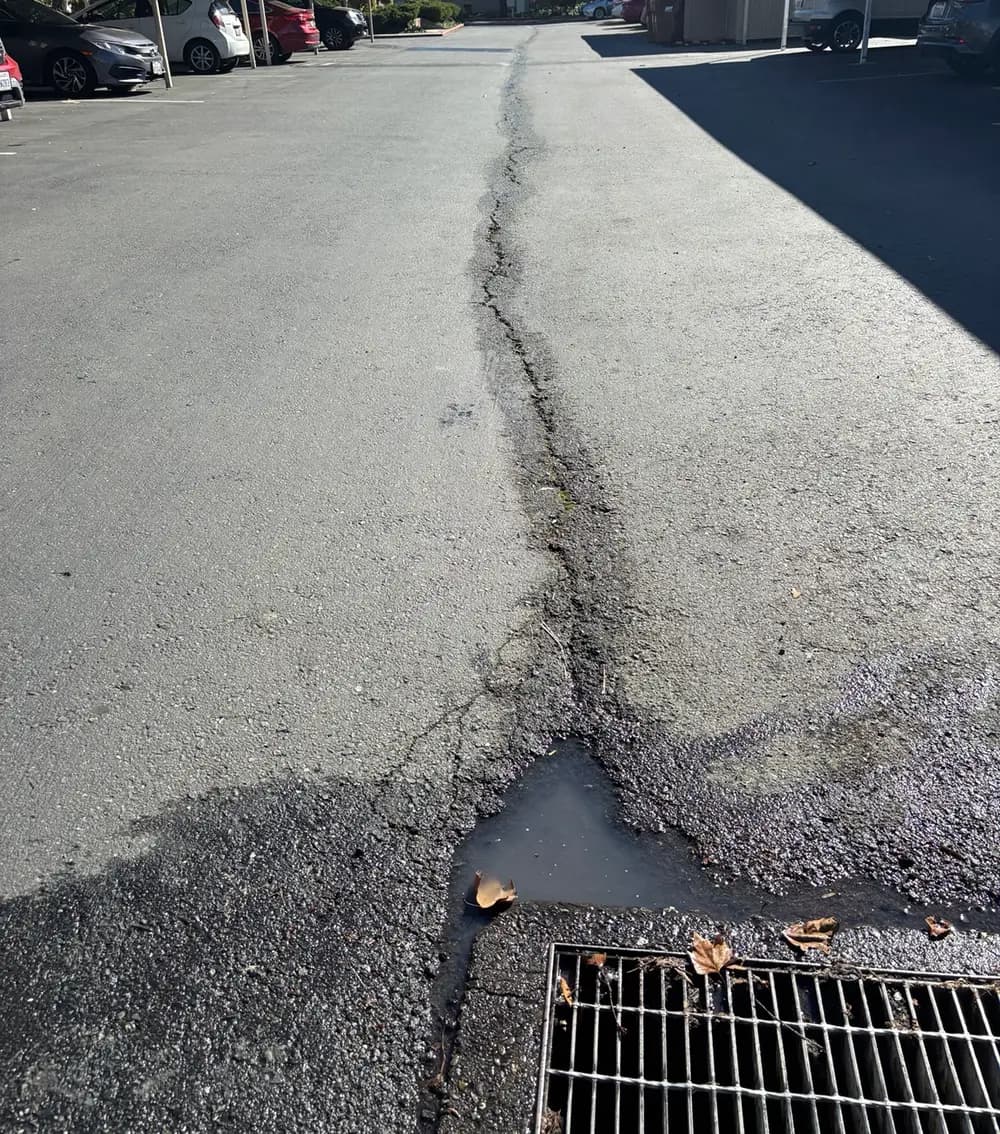
Property-owner guide
Updated July 12, 2026
How Drainage Affects Pavement Life
Why drainage is the biggest factor in how long pavement lasts, how water damages asphalt from the base up, and why fixing it protects every repair.
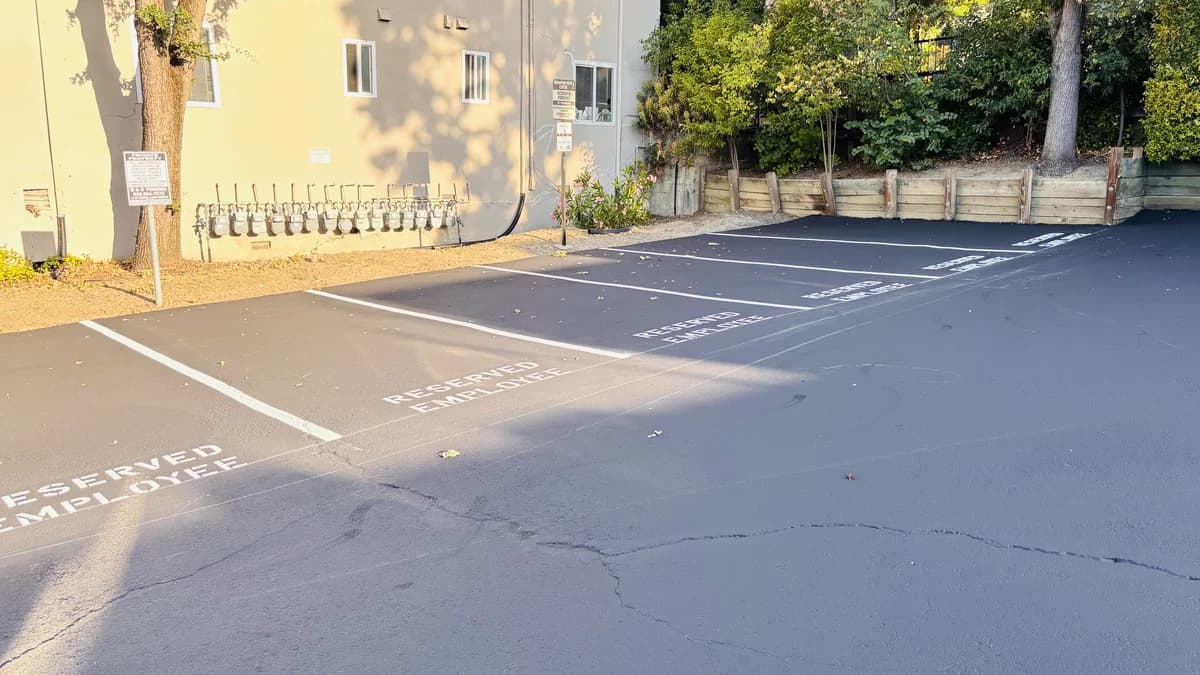
Property-owner guide
Updated July 6, 2026
When Is Sealcoating Worth It?
When sealcoating provides real value as preventive asphalt maintenance, and the pavement conditions where it makes the most sense.
Property-owner guide
Updated July 12, 2026
Parking Lot Drainage Solutions
Parking lot drainage solutions explained: regrading, catch basins, trench drains, French drains, and permeable options, and how to match fix to problem.
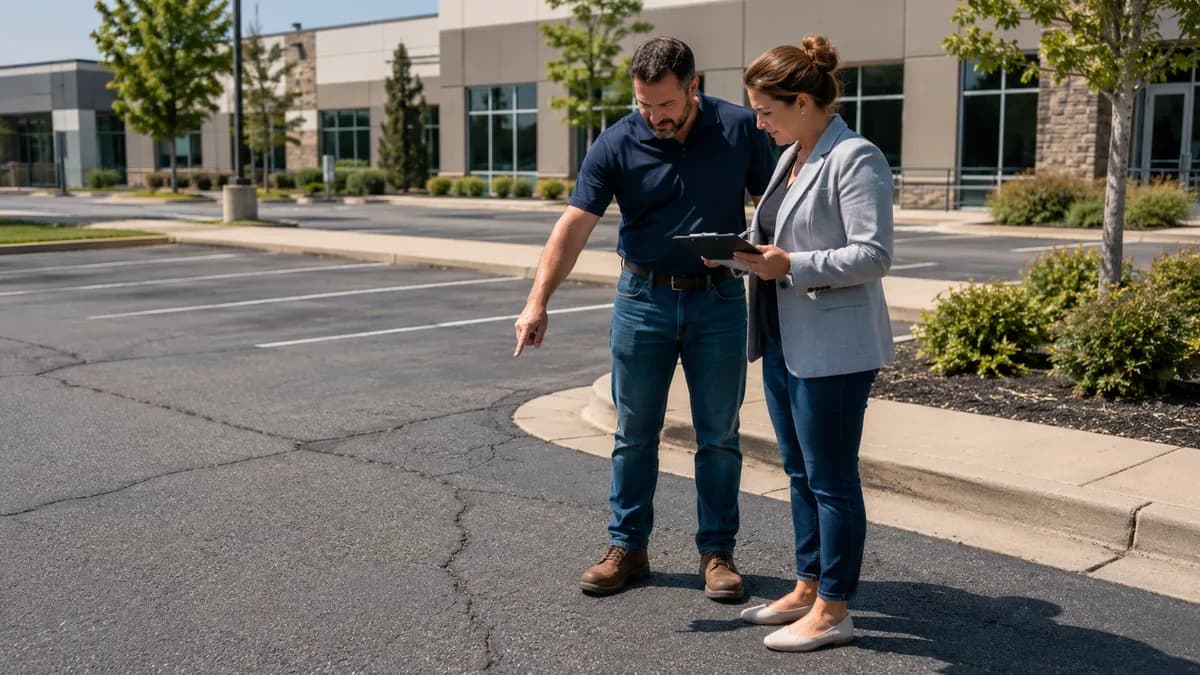
Property-owner guide
Updated July 6, 2026
How to Choose an Asphalt Paving Contractor
How to choose an asphalt paving contractor: project fit, relevant experience, written scope, references, insurance, and pavement qualifications.
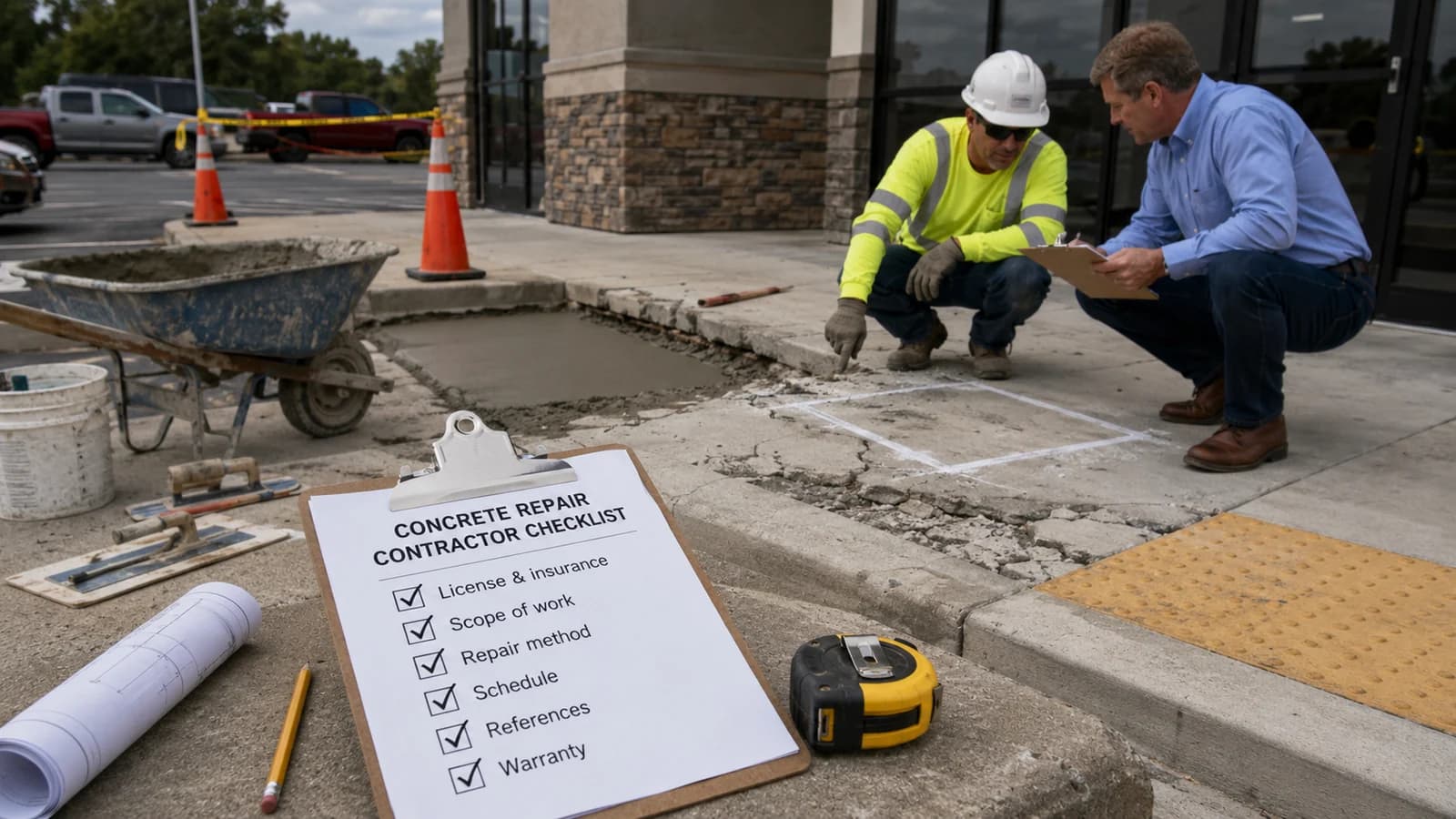
Property-owner guide
Updated July 6, 2026
Concrete Repair Contractor Checklist
A checklist for evaluating concrete repair contractors, covering cause of damage, repair method, trip-hazard, and joint considerations.
Property-owner guide
Updated August 30, 2026
Commercial Parking Lot Maintenance Guide
How to inspect, preserve, repair, and budget for a commercial parking lot: lifecycle stages, treatments, drainage, ADA, scoping, and multi-year plans.
Before you hire: The Pavement Directory does not guarantee contractor performance, pricing, licensing, insurance, or availability. Business information may be submitted by contractors or gathered from public sources and should be independently verified before hiring. Always confirm licensing, insurance, references, scope of work, and written contract terms.
For contractors
Ready to compare Hawaii contractors?
Browse listings by city and service, then use what you have read here to check the scope, the credentials, and the timing before you sign.