
Hawaii pavement guide
When to Pave, Sealcoat, and Repair in Hawaii
A season-by-season calendar for Hawaii: the work that fits each window, what tends to delay it, and what to inspect for before you book a contractor.
- 4 planning windows
- Inspection priorities
- Regional exceptions
Timing
Paving and Maintenance Calendar for Hawaii
Treat this as a planning aid, not a rule. Whether a given treatment can actually be placed on a given day depends on product requirements, surface and nighttime temperatures, the rain forecast, humidity, plant availability, the project specification, and the contractor’s means and methods.
Wet season
Work often suited to this window
- Drainage maintenance, inlet clearing, and channel and gulch inspection
- Repairs of record and safety work between rain events
- Assessment and planning for the drier months
Scheduling risks
- Surface treatments and sealcoating need dry surfaces and dry curing conditions, which are harder to find
- Windward and Hilo-side properties may have very few consecutive dry days
- Kona storms and frontal systems can deliver heavy rainfall to normally dry areas
Inspect for: Walk the property during and immediately after heavy rain and photograph where water actually goes; that is information you cannot recover on a dry day.
Regional exception: Leeward Kona, Kihei, and the Kauai south shore stay workable through much of this period, while Hilo and windward Oahu may not.
Spring transition
Work often suited to this window
- Repairing what the wet season revealed, once surfaces have dried
- Paving and structural work as conditions stabilize
- Restriping and accessible route corrections
Scheduling risks
- Rain can still interrupt work regularly, particularly on windward sides
- Material shipments have to be planned well ahead of the work
- Contractor schedules fill as the drier months approach
Inspect for: Separate the areas that simply held water from the areas that flex under load; the second group needs base repair rather than a surface fix.
Dry season
Work often suited to this window
- Sealcoating and surface treatments in reliably dry conditions
- Paving, reconstruction, and heavy repair
- Striping, signage, and accessible parking upgrades
Scheduling risks
- Resort and visitor properties are at peak occupancy and often cannot close a lot
- This is the busiest period for contractors statewide, so lead times stretch
- High surface temperatures on leeward lots can affect placement and traffic release timing
Inspect for: Walk drive aisles, loading zones, and drop-off lanes in the heat of the day, when rutting and shoving are visible rather than inferred.
Hurricane season peak and fall
Work often suited to this window
- Clearing culverts, gulch crossings, inlets, and outfalls before the wet season
- Completing surface treatments while conditions remain dry
- Confirming that drainage structures and channels can handle a major event
Scheduling risks
- Tropical systems can disrupt work and material shipments with little warning
- Shipping delays affect material availability at exactly the time work is being finished
- Windward areas begin losing dry working windows
Inspect for: Confirm every culvert, channel crossing, and outfall on the property is clear and unobstructed before the wet season begins in earnest.
Hawaii paving season FAQs
How often should a Hawaii parking lot be sealcoated?
There is no fixed interval, and the right answer differs sharply between a sun-exposed Kona lot and a shaded windward one. Sustained ultraviolet exposure is the dominant aging mechanism on unshaded leeward properties, so surface protection has real value there while the pavement is still sound. On persistently wet windward sites the surface may never be dry enough for a treatment to cure properly, and drainage work is usually the better investment. On pavement already cracked through to the base, sealcoating accomplishes little in either setting.
Is there a paving season in Hawaii?
Not in the mainland sense — there is no freeze-thaw, no frost depth, and no winter shutdown. What creates the practical seasonality here is rainfall and occupancy. The drier months generally offer the most reliable conditions for surface treatments that need a dry surface and dry curing, while windward and Hilo-side properties may have limited consecutive dry days for much of the year. What decides a given day is the product's stated requirements, surface conditions, humidity, and the rain forecast rather than any date on a calendar.
Timing guides that apply in every state
Property-owner guide
Updated July 6, 2026
When Is Sealcoating Worth It?
When sealcoating provides real value as preventive asphalt maintenance, and the pavement conditions where it makes the most sense.
Property-owner guide
Updated July 11, 2026
When Should You Seal Asphalt Cracks?
When to seal cracks in asphalt — which cracks to seal, the best time of year, why sealing early matters, and how crack sealing fits a maintenance schedule.
Property-owner guide
Updated July 11, 2026
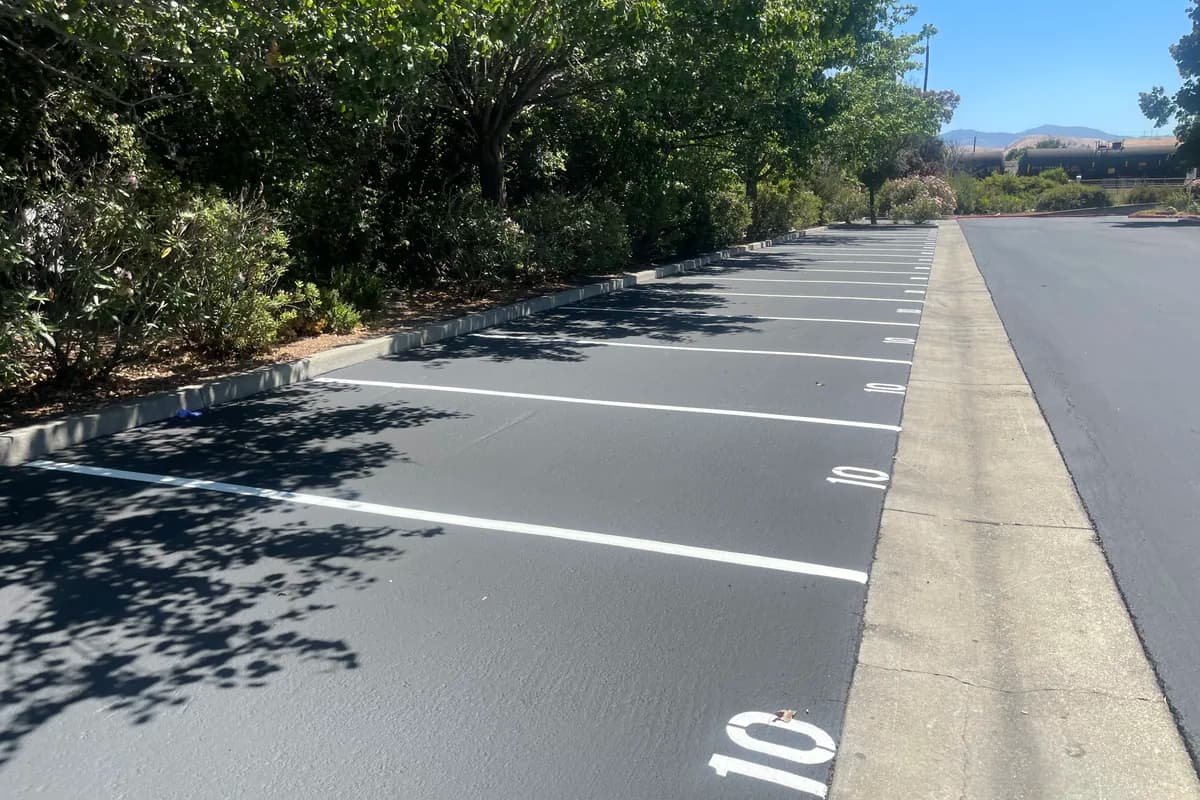
When Should You Restripe a Parking Lot?
How to tell when a parking lot needs restriping — faded lines, worn ADA markings, sealcoating, layout changes — and how often it is typically needed.
Before you hire: The Pavement Directory does not guarantee contractor performance, pricing, licensing, insurance, or availability. Business information may be submitted by contractors or gathered from public sources and should be independently verified before hiring. Always confirm licensing, insurance, references, scope of work, and written contract terms.
For contractors
Ready to compare Hawaii contractors?
Browse listings by city and service, then use what you have read here to check the scope, the credentials, and the timing before you sign.