
Hawaii pavement guide
Hawaii Paving Contractor License Requirements, Permits, and Verification
Hawaii licenses contractors through the Contractors License Board, administered by the Department of Commerce and Consumer Affairs, and licenses are publicly searchable. Licenses are issued in classifications covering specific categories of work, so verifying that a license exists is only the first half of the check — confirm the classification held actually covers the paving, concrete, or site work being proposed, and confirm what a given classification permits with the board rather than with the contractor.
- State-level licensing
- Reviewed August 2026
Jump to section
Verification
Contractor Licensing and Verification in Hawaii
- Statewide licensing
- State-level licensing applies
- Administering body
- Hawaii Department of Commerce and Consumer Affairs — Contractors License Board (Professional and Vocational Licensing)
Confirm the licensed name matches the entity on your contract exactly. A contractor may operate under a trade name that differs from the licensed entity, and contracting with a name that does not appear on the license or the insurance certificate is an avoidable exposure. Hawaii's licensing system also carries a complaint and disciplinary record, which is worth reviewing rather than only checking that the status reads active.
Licensing establishes that a contractor met the state's entry requirements. It does not establish experience with the conditions that actually determine outcomes here — highly plastic weathered-basalt subgrade, windward rainfall volumes, lava rock excavation, or working within the constraints of shipped material. Ask for comparable projects on the same island and in similar conditions, and talk to those owners.
Verify general liability and workers' compensation directly with the carrier for the dates of your work, and ask whether subcontracted portions of the scope carry their own coverage. Each county administers its own permitting, and because Hawaii's counties are islands rather than subdivisions of a metro area, their requirements and processes differ meaningfully from one another.
What a contractor license does not prove
A Hawaii contractor license is a real and checkable credential, but the classification matters as much as the number, and neither tells you whether a firm has built pavement over plastic volcanic clay or on a young lava flow.
- That the proposed scope is the right fix for what is actually failing
- That the price is fair for the local market
- That drainage has been designed or corrected
- That the pavement section and thickness suit the traffic the property carries
- That the specified materials are appropriate for the site
- That the crew will show up when promised
- That workmanship will hold up past the first winter or summer
- That the company is financially stable enough to honor a warranty
Ask for a certificate of insurance sent directly from the carrier or agent rather than a copy forwarded by the contractor, confirm the general liability and workers’ compensation coverage is active on the dates of your work, and ask to be named as certificate holder so you are notified if the policy lapses.
Licensing requirements can turn on project value, scope of work, property location, and whether the job is public or private. City and county rules may add registration, permitting, or bonding requirements beyond anything required at the state level. Verify current requirements with the agency directly before contracting.
Last reviewed:
Permitting
Stormwater and Environmental Considerations
Hawaii Department of Health — Clean Water Branch; county agencies for grading, drainage, and site permitting
The Hawaii Department of Health's Clean Water Branch administers water pollution control permitting in the state, including construction stormwater coverage for projects that disturb enough ground. Erosion and sediment controls have to work under rainfall intensities that would overwhelm mainland assumptions on the windward sides, and the disturbance threshold that brings a project in is set in the permit — confirm the current figure with the department rather than working from a remembered number.
County review is where most pavement projects actually spend their time. Hawaii has four counties and no municipal layer beneath them, so the county handles grading, grubbing, drainage, and building permitting for its entire island or islands. Requirements, submittal expectations, and review timelines differ between Honolulu, Maui, Hawaii, and Kauai counties, and a contractor's familiarity with one county's process does not transfer automatically to another.
Location-specific review adds further layers. Work in the shoreline setback area or within the Special Management Area brings coastal zone management review, which can apply to properties owners consider ordinary commercial parcels. On Hawaii Island, volcanic hazard zone designations affect planning and insurance. And on former plantation land across several islands, buried irrigation infrastructure and altered historic drainage patterns are common enough that they are worth investigating before a reconstruction is priced.
What tends to drive requirements here
- Disturbed area thresholds for construction stormwater permit coverage from the Department of Health
- County grading and drainage permitting, which differs meaningfully between the four counties
- Special Management Area and shoreline setback review on coastal parcels
- Rainfall design assumptions matched to the specific location rather than to an island average
- Gulch and channel flow originating well upslope of a leeward property
- Buried irrigation infrastructure and altered drainage on former plantation ground
Hawaii's four counties administer grading, drainage, and site permitting independently, and coastal review can apply on top of state and county requirements. Confirm what applies to your parcel with the Department of Health and the county before design.
Last reviewed:
For contractors entering this market
State and local licensing rules vary, and Hawaii appears in the national comparison of commercial and residential paving-contractor requirements. Review the national paving-contractor licensing comparison, then verify current requirements with the applicable licensing authority.
Official sources
Hawaii Agencies and Reference Links
Contractor licensing
Hawaii Contractors License BoardLicensing requirements, classifications, and board information for contractors working in Hawaii.
Contractor licensing
Hawaii professional and vocational license searchVerify a Hawaii contractor's license status, classification, and any disciplinary history.
Environmental
Hawaii Department of Health Clean Water BranchConstruction stormwater permitting, water pollution control requirements, and erosion control expectations.
Business registration
Hawaii business entity searchConfirm the exact entity named on your proposal is registered and in good standing in Hawaii.
Transportation
Hawaii Department of Transportation Highways DivisionState specifications and materials terminology that shape how Hawaii contractors describe pavement work.
Consumer protection
Hawaii Office of Consumer ProtectionWhere to file a complaint about a contractor or a deceptive business practice.
This page summarizes publicly available information for general education. It is not legal, engineering, or code-compliance advice, and requirements change. Confirm anything that affects your project with the agency with jurisdiction over the property.
Regulatory content last reviewed:
Hawaii licensing and permit FAQs
How do I verify a Hawaii paving contractor's license?
Through the Department of Commerce and Consumer Affairs professional licensing search, which is public. Hawaii issues contractor licenses in classifications, so the important step after confirming a license exists is confirming that its classification actually covers the work being proposed — paving, concrete, and general site work are not automatically the same category. Check that the licensed entity name matches your contract exactly, and review any disciplinary history rather than only confirming the status reads active.
Before you sign: hiring guides
Property-owner guide
Updated July 6, 2026
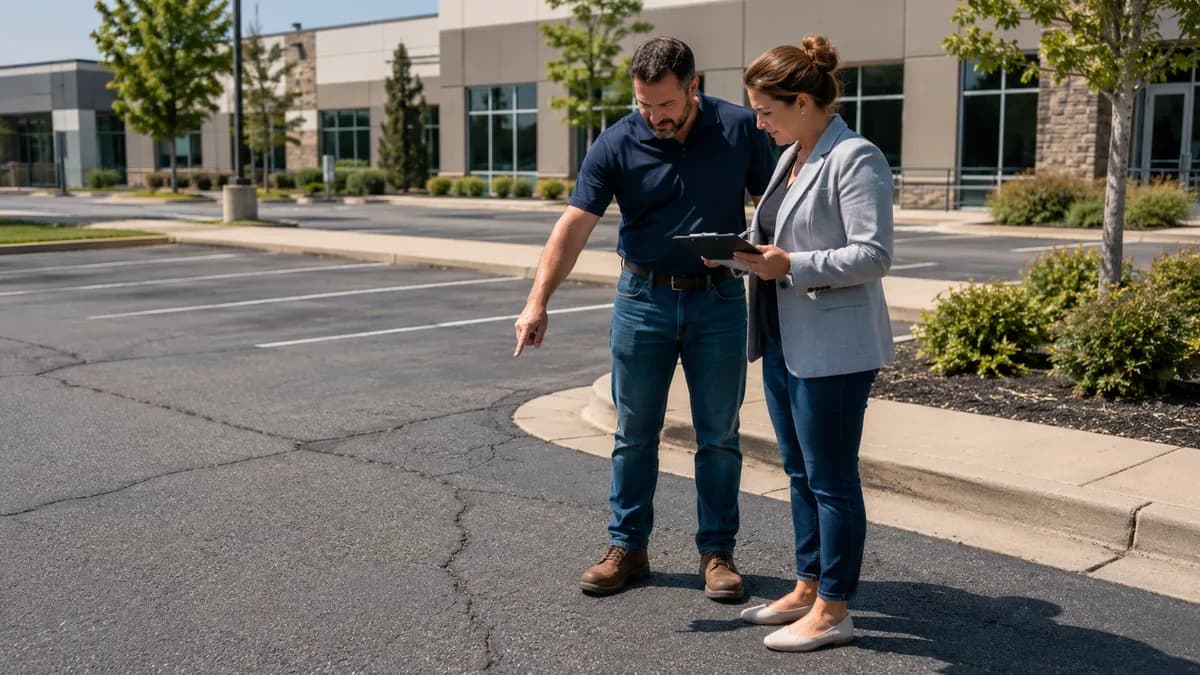
How to Choose an Asphalt Paving Contractor
How to choose an asphalt paving contractor: project fit, relevant experience, written scope, references, insurance, and pavement qualifications.
Property-owner guide
Updated July 6, 2026
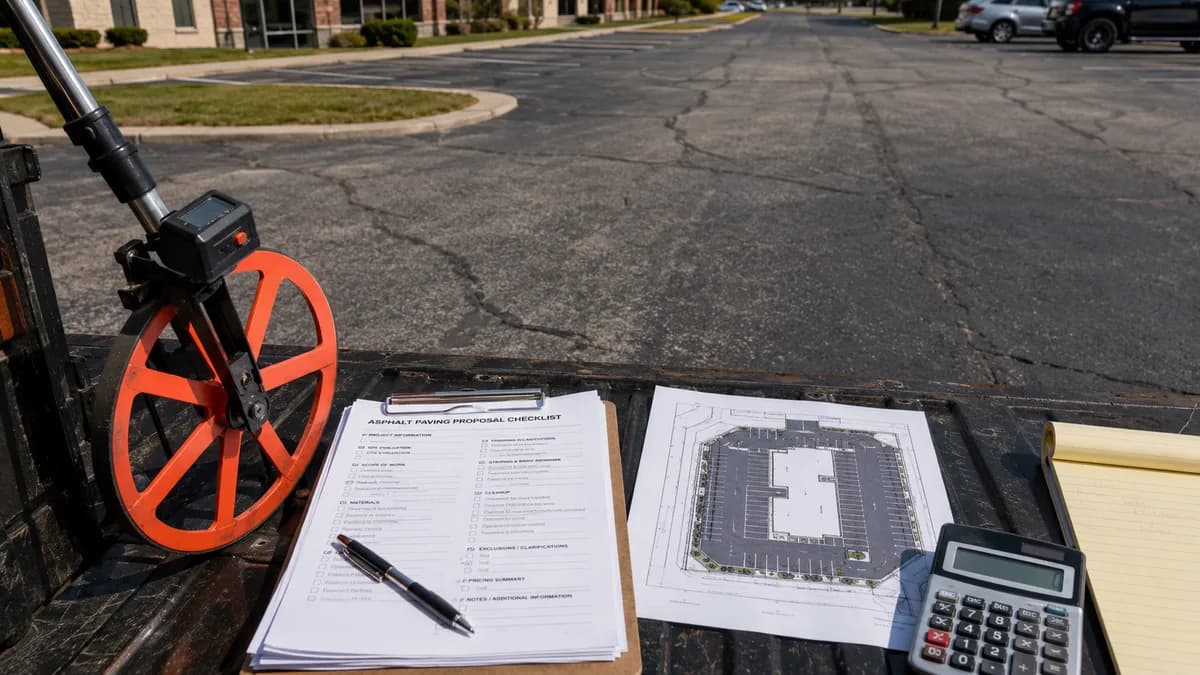
Asphalt Paving Proposal Checklist
What belongs in an asphalt paving proposal: work limits, quantities, thickness, base preparation, drainage, striping, exclusions, and warranty terms.
Property-owner guide
Updated July 6, 2026
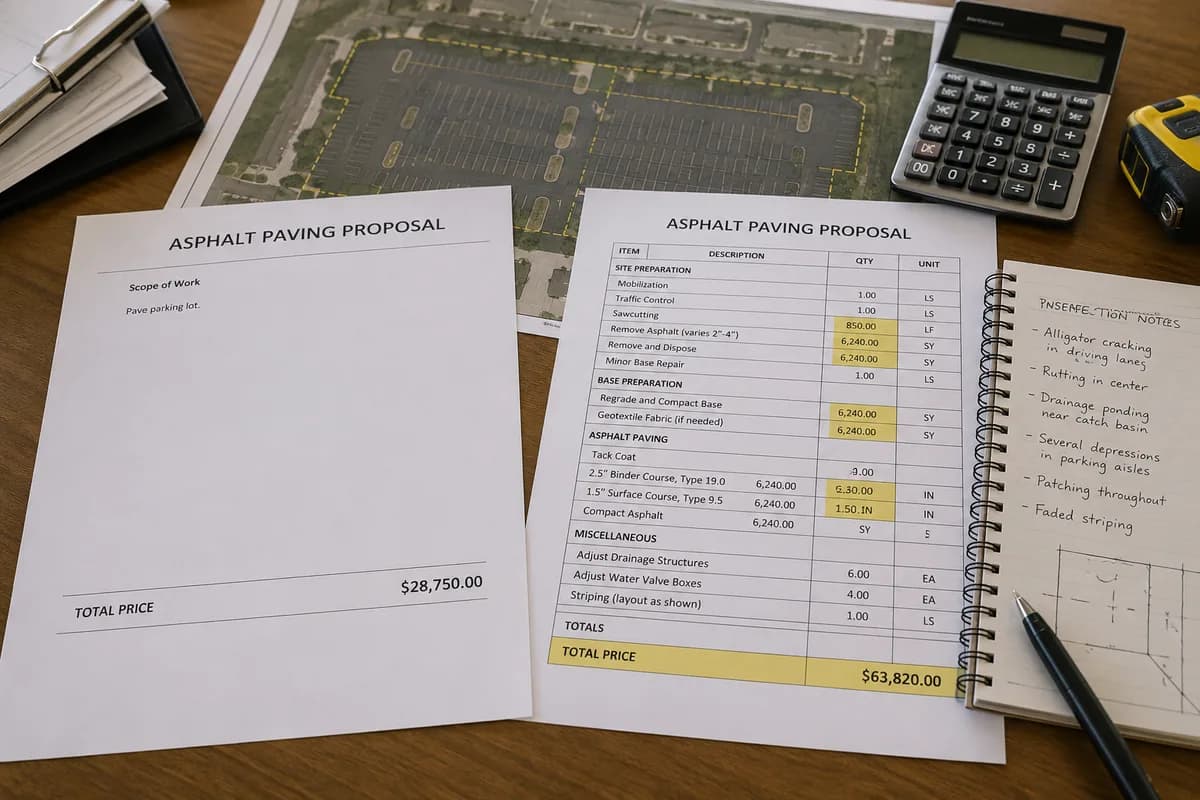
Cheap Asphalt Paving Bids: Red Flags to Watch For
A cheap asphalt paving bid may omit thickness, base preparation, drainage, striping, or warranty terms. Learn the red flags to check before hiring.
Before you hire: The Pavement Directory does not guarantee contractor performance, pricing, licensing, insurance, or availability. Business information may be submitted by contractors or gathered from public sources and should be independently verified before hiring. Always confirm licensing, insurance, references, scope of work, and written contract terms.
For contractors
Ready to compare Hawaii contractors?
Browse listings by city and service, then use what you have read here to check the scope, the credentials, and the timing before you sign.