
New Mexico pavement guide
Pavement Conditions in New Mexico: Regions, Soils, and Common Problems
New Mexico combines sulfate soils that attack concrete, collapsible alluvium, arroyo-driven flooding, and a federal stormwater permit that does not come from the state.
- 5 regions
- 5 common problems
- 6 local terms
Jump to section
Regional differences
Pavement Conditions by Region in New Mexico
New Mexico does not have one climate or one soil profile, and pavement that performs well in one part of the state can fail early a few hours away. These are the divisions that matter most when scoping paving, repair, or maintenance work.
The middle Rio Grande corridor
Albuquerque · Rio Rancho · Los Lunas · Belen · Bernalillo
Environmental stress
- The state's heaviest commercial traffic and largest lots
- High-altitude ultraviolet exposure and very large day-to-night temperature swings
- Summer monsoon storms delivering intense rainfall in short bursts
Subgrade conditions
- Alluvial sands and silts, some of which are collapsible when wetted under load
- Caliche layers at variable depth in the higher terraces
- Irrigated valley ground with a high water table near the river
Common distress
- Binder oxidation, graying, and raveling on unshaded lots
- Sudden localized settlement where water reaches collapsible alluvium
- Arroyo and street-flow flooding damage after monsoon storms
What it means for the work
- This is by far the deepest contractor and supplier market in the state
- Caliche excavation cost is unpredictable and belongs in the bid as a unit price
- Where a property sits relative to an arroyo matters more than its own rainfall does
Santa Fe and the northern mountains
Santa Fe · Los Alamos · Taos · Espanola · Raton
Environmental stress
- Genuine winter freeze-thaw cycling at elevation, unlike southern New Mexico
- The most intense ultraviolet exposure in the state at high altitude
- Snowmelt and steep terrain concentrating runoff across pavement
Subgrade conditions
- Expansive clays derived from shale in parts of the region
- Rocky colluvium on slopes with variable rock depth
- Volcanic tuff and weathered rock on the Pajarito Plateau and nearby
Common distress
- Freeze-thaw potholing and frost damage at elevation
- Seasonal movement where expansive clay underlies a lot
- Erosion and undermining where runoff crosses a pavement edge on a grade
What it means for the work
- The working season here is meaningfully shorter than in Las Cruces or Hobbs
- Binder selection has to account for real winter lows rather than a statewide desert default
- Historic district and pueblo land considerations can affect what is permissible on some sites
The Mesilla and Tularosa basins
Las Cruces · Alamogordo · Deming · Anthony · Truth or Consequences
Environmental stress
- Very high summer surface temperatures on unshaded pavement
- Strong wind carrying abrasive sand and dust
- Monsoon runoff arriving from mountain fronts onto flat basin floors
Subgrade conditions
- Gypsum and sulfate-bearing soils in parts of the Tularosa basin and surrounding areas
- Caliche layers used widely as local base material
- Irrigated Mesilla valley ground with elevated soil moisture and a shallow water table
Common distress
- Concrete deterioration from sulfate attack where ground chemistry is aggressive
- Heat-driven rutting and shoving on slow-traffic areas
- Sheet flooding from mountain-front runoff crossing developed sites
What it means for the work
- Testing for sulfate before specifying concrete is worth doing rather than assuming
- Alluvial fan flow paths from the mountain fronts reach sites that appear to be on flat ground
- Irrigated valley ground behaves nothing like the basin floor a mile away
Southeastern New Mexico and the Permian Basin
Hobbs · Carlsbad · Roswell · Artesia · Lovington
Environmental stress
- Very heavy oilfield and energy sector truck traffic
- Extreme summer heat with strong ultraviolet exposure
- Intense but infrequent rainfall on ground with limited absorption
Subgrade conditions
- Gypsum-rich soils and evaporite deposits, with dissolution features in some areas
- Caliche and cemented layers used as base material
- Sandy soils with low cohesion in parts of the region
Common distress
- Severe rutting and edge break-up on energy sector truck routes
- Concrete deterioration where sulfate levels in the soil are high
- Localized settlement where gypsum has dissolved beneath the surface
What it means for the work
- Oilfield loading is a heavy design load on sites otherwise built for light commercial traffic
- Gypsum dissolution can produce settlement that behaves like karst and needs the same kind of investigation
- Contractor availability tracks energy sector activity and can tighten sharply during busy periods
Northwestern New Mexico and the Colorado Plateau
Farmington · Gallup · Aztec · Grants · Shiprock
Environmental stress
- Wide temperature range with genuine winter freezing at elevation
- Strong ultraviolet exposure and low humidity
- Wind-driven sand and dust across exposed sites
Subgrade conditions
- Expansive clays derived from Mancos and other shales
- Sandy and silty soils over sandstone bedrock
- Variable rock depth across single parcels
Common distress
- Irregular cracking that opens in dry periods and partly closes when wet
- Block and thermal cracking from the annual temperature range
- Rutting at energy sector and mining-related truck areas
What it means for the work
- Shale-derived expansive clay here needs treatment or a designed section rather than a standard one
- Work on tribal land involves separate jurisdiction and approval processes
- Distances to plants and suppliers are long enough to affect scheduling and cost
Field conditions
Common Pavement Problems in New Mexico
Sulfate attack on concrete
Concrete pads, aprons, curb, and walks softening, crumbling at the surface, and losing strength over several years, sometimes with the deterioration worst at ground contact rather than at the top.
Likely causes
- Gypsum and sulfate-bearing soils in contact with ordinary concrete
- Sulfates in soil moisture or groundwater reaching the concrete continuously
- A concrete mix specified without accounting for the site's ground chemistry
- Drainage that keeps sulfate-bearing soil moist against the concrete
When to get it looked at: Before pouring, not after. A soil test for sulfate content is inexpensive relative to replacing concrete that deteriorates within a few years, and the mix can be specified accordingly if the levels warrant it.
Collapsible soil settlement
A localized area of an otherwise sound lot dropping noticeably over a short period, often after a leak or a change in drainage, with little or no cracking leading up to it.
Likely causes
- Low-density alluvial soils losing strength abruptly when thoroughly wetted under load
- A leaking water or irrigation line providing a sustained source of water
- Landscape irrigation or a failed inlet delivering water to one location repeatedly
- Subgrade placed without moisture conditioning during construction
When to get it looked at: Settlement without preceding cracking is a soil behavior, not a pavement failure. Locate and stop the water reaching that area before the depression is filled, or it will settle again.
Arroyo and monsoon flow damage
A property that receives modest rainfall takes substantial water, sediment, and debris through a normally dry channel after a storm upstream, damaging pavement edges, structures, and access points.
Likely causes
- Monsoon rainfall concentrated onto steep upstream ground and conveyed through arroyos
- Development altering historic flow paths without accounting for the full watershed
- Undersized or blocked crossings, culverts, and inlets
- Sediment and debris carried by the flow blocking the outlet mid-event
When to get it looked at: Look at the watershed above the site, not the rainfall recorded at it. Much of New Mexico's flood exposure to developed property is generated miles upstream and arrives in minutes.
Ultraviolet oxidation and thermal cracking at altitude
Pavement graying and hardening, then developing block cracking in a roughly rectangular pattern along with a rough, raveling surface, most visibly on unshaded lots at higher elevations.
Likely causes
- Intense high-altitude ultraviolet exposure hardening the binder
- Very large day-to-night temperature swings cycling the pavement continually
- Aged, oxidized binder that can no longer relax stress
- Low humidity and minimal shade offering no relief from surface heating
When to get it looked at: Block cracking in a grid pattern is an aging signal rather than a loading one. Once the surface is raveling under traffic, the window for a protective treatment has largely passed.
Oilfield and energy sector loading damage
Entrances, turning radii, and yard areas at southeastern and northwestern New Mexico facilities breaking up rapidly while the parking areas beside them stay intact.
Likely causes
- Loaded tankers, water trucks, and rig equipment imposing axle loads far beyond the design assumption
- Traffic type changing after the lot was built with no corresponding section change
- Unpaved shoulders giving way under wide turns
- Entrances built to the same section as the adjacent parking field
Property types
Common Pavement Projects in New Mexico
Oil and gas facilities in the Permian Basin
Southeastern New Mexico yards and access areas take loads far beyond typical commercial traffic on gypsum-rich ground, so both the section and the concrete specification need to reflect the site rather than a standard.
National laboratory and federal facilities
Los Alamos and other federal properties combine security-driven access constraints, elevation, and specification requirements that differ from ordinary commercial work.
Albuquerque retail and distribution properties
Large lots on alluvial soils where sudden settlement, ultraviolet aging, and arroyo flow across or beside the property are the recurring issues rather than material selection.
Tribal government and enterprise properties
Work on tribal land involves separate jurisdiction and approval processes, and site conditions frequently include expansive shale-derived clays and long distances to material sources.
Resort, hospitality, and cultural properties in northern New Mexico
Santa Fe and Taos area properties combine genuine winter freeze-thaw, historic district constraints, and constant occupancy, which compresses work into short windows on constrained sites.
Plain English
Pavement Terms You May Encounter in New Mexico
| Term | What it means on a New Mexico project |
|---|---|
| Sulfate-resistant cement | Cement formulated to resist chemical attack from sulfates in soil and groundwater. Where a soil test shows elevated sulfate, specifying it is the difference between concrete that lasts and concrete that softens from the ground up. |
| Caliche | Naturally cemented calcium carbonate soil common across southern and eastern New Mexico, used widely as base material. It performs well when compacted and confined and makes excavation cost unpredictable when it is unexpected. |
| Collapsible soil | Low-density soil that holds an open structure until it is thoroughly wetted under load, at which point it can settle abruptly. It produces depressions without the crack pattern that normally precedes a pavement failure. |
| Arroyo | A steep-sided channel that is dry most of the year and carries substantial flow after storms upstream. A property's flood exposure often comes from an arroyo rather than from its own rainfall. |
| Alluvial fan flow path | The spreading, shifting route water takes as it leaves a mountain front onto a basin floor. Development on a fan can sit in a flow path that is not obvious from the site's own topography. |
| PG binder grade | The performance grade describing the temperature range a binder is designed for. In a state spanning several thousand feet of elevation, the appropriate grade differs meaningfully between Hobbs and Taos. |
State transportation specifications can provide useful regional terminology and material references, but they do not automatically govern private parking-lot or driveway projects unless incorporated into the contract or required by the applicable jurisdiction.
More definitions are in the pavement glossary.
Before you sign
Questions to Ask a Paving Contractor in New Mexico
- What is your New Mexico contractor license number, and does the classification cover this scope of work?
- Has anyone tested the soil here for sulfate before specifying the concrete mix?
- Is the soil at this site collapsible, and if part of the lot has already settled, where is the water coming from?
- Where does the water that crosses this property originate, and does the design account for arroyo or alluvial fan flow?
- What is your unit price if you encounter caliche, and at what depth are you assuming it?
- What binder grade are you specifying, and does it reflect this elevation rather than a statewide default?
- Are you clear that the federal construction stormwater permit here comes from EPA rather than from a state program?
- Does a flood control authority have jurisdiction over the drainage this site discharges to?
- Does the proposed section reflect the actual truck traffic this facility receives?
- Can you show me comparable projects at this elevation and on this kind of soil?
New Mexico pavement condition FAQs
Why is the concrete at my New Mexico property crumbling from the bottom up?
That pattern points toward sulfate attack. Gypsum and other sulfate-bearing soils occur across parts of New Mexico, and where sulfates in soil moisture or groundwater contact ordinary concrete continuously, they can react with it and break down its structure over several years. The deterioration is often worst at ground contact while the top surface still looks acceptable. It is a ground chemistry problem rather than a workmanship one, and a soil test before pouring — followed by a sulfate-resistant mix where warranted — is the preventive step.
Why did part of my lot sink suddenly with no cracking beforehand?
That pattern is characteristic of collapsible soil, which occurs in low-density alluvial deposits in parts of New Mexico. The soil holds an open structure until it is thoroughly wetted while carrying a load, at which point it can lose strength and settle quickly. Because the mechanism is a soil behavior rather than a gradual failure, there is often no warning crack pattern. The productive response is finding the water source — commonly a leaking line, landscape irrigation, or a failed inlet — and stopping it before filling the depression.
Does elevation change how New Mexico pavement should be maintained?
Considerably. Santa Fe and Taos see genuine freeze-thaw cycling and a shorter working season, which makes crack sealing before winter a higher-value treatment there. Las Cruces and Hobbs deal with extreme summer surface heat and can often work through the winter. Ultraviolet exposure is intense across the state but most intense at altitude. A binder grade, a maintenance calendar, and a treatment schedule appropriate to one end of New Mexico can be genuinely wrong at the other.
Is sealcoating worthwhile in New Mexico?
On sound asphalt in a high-ultraviolet, wide-temperature-swing environment, surface protection has real value, because binder aging rather than traffic is what ages most New Mexico lots. Once the pavement has developed block cracking in a grid pattern and the surface is raveling under traffic, the window for a protective treatment has largely passed and the conversation shifts to resurfacing. Sealcoating over cracking that reaches the base accomplishes little and can obscure what an assessment needs to see.
Related reading for New Mexico property owners
Property-owner guide
Updated July 11, 2026
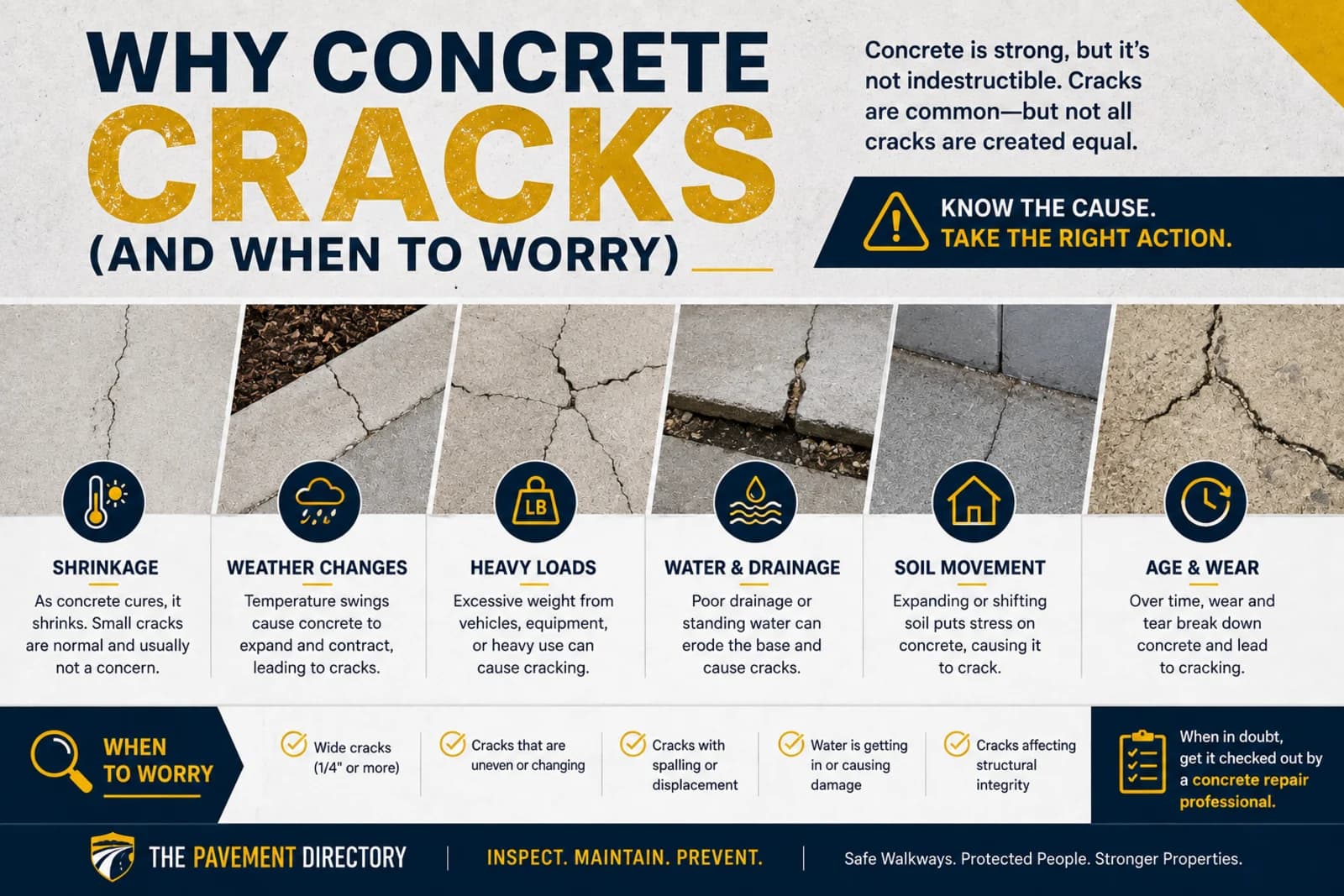
Why Concrete Cracks (and When to Worry)
Why concrete cracks — shrinkage, settlement, freeze-thaw, roots, and loads — the difference between cosmetic and structural, and when to repair.
Property-owner guide
Updated July 11, 2026
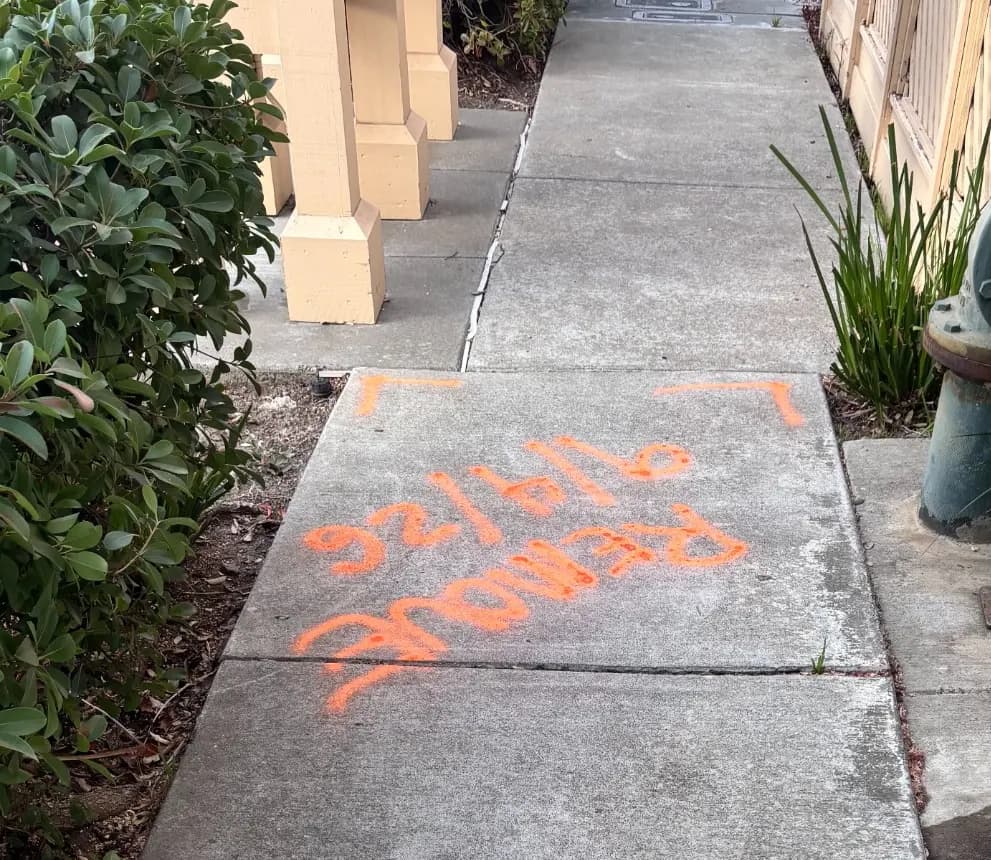
Concrete Repair vs. Replacement: Which Do You Need?
When to repair concrete versus replace it: how grinding, slab lifting, and patching compare to full replacement, and how to decide from the cause.
Property-owner guide
Updated July 12, 2026
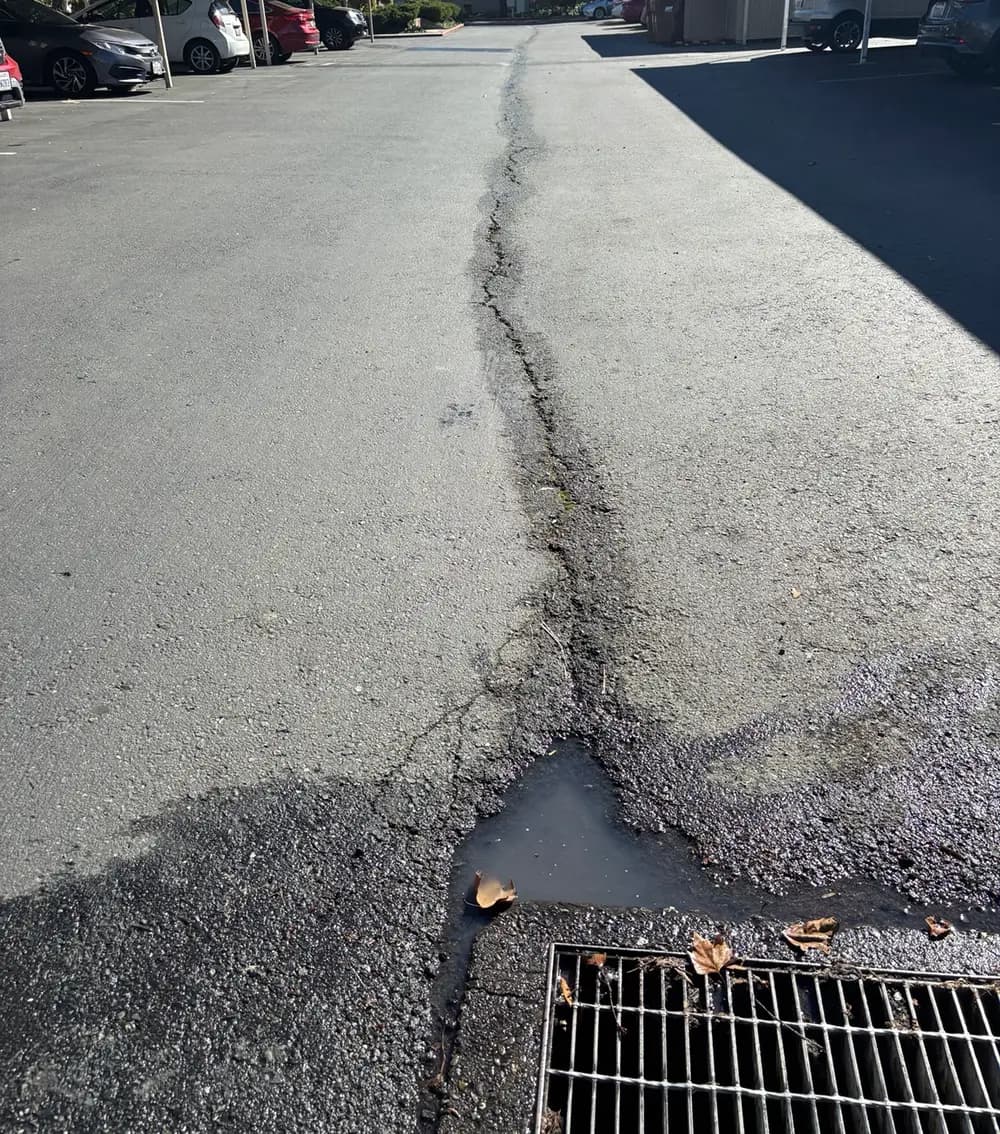
How Drainage Affects Pavement Life
Why drainage is the biggest factor in how long pavement lasts, how water damages asphalt from the base up, and why fixing it protects every repair.
Property-owner guide
Updated July 6, 2026
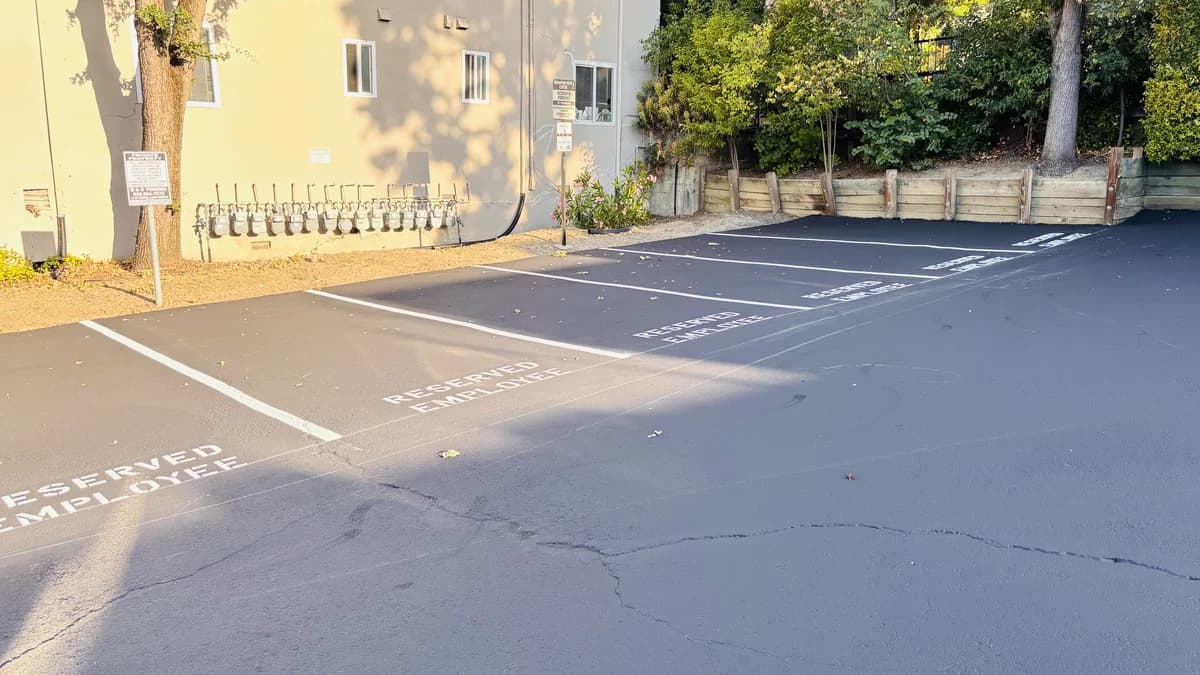
When Is Sealcoating Worth It?
When sealcoating provides real value as preventive asphalt maintenance, and the pavement conditions where it makes the most sense.
Property-owner guide
Updated July 6, 2026
How to Choose an Asphalt Paving Contractor
How to choose an asphalt paving contractor: project fit, relevant experience, written scope, references, insurance, and pavement qualifications.
Property-owner guide
Updated July 12, 2026
Parking Lot Drainage Solutions
Parking lot drainage solutions explained: regrading, catch basins, trench drains, French drains, and permeable options, and how to match fix to problem.
Before you hire: The Pavement Directory does not guarantee contractor performance, pricing, licensing, insurance, or availability. Business information may be submitted by contractors or gathered from public sources and should be independently verified before hiring. Always confirm licensing, insurance, references, scope of work, and written contract terms.
For contractors
Ready to compare New Mexico contractors?
Browse listings by city and service, then use what you have read here to check the scope, the credentials, and the timing before you sign.