
New Mexico pavement guide
When to Pave, Sealcoat, and Repair in New Mexico
A season-by-season calendar for New Mexico: the work that fits each window, what tends to delay it, and what to inspect for before you book a contractor.
- 4 planning windows
- Inspection priorities
- Regional exceptions
Timing
Paving and Maintenance Calendar for New Mexico
Treat this as a planning aid, not a rule. Whether a given treatment can actually be placed on a given day depends on product requirements, surface and nighttime temperatures, the rain forecast, humidity, plant availability, the project specification, and the contractor’s means and methods.
Winter
Work often suited to this window
- Crack sealing during cool, dry stretches when cracks are at their widest
- Assessments, condition surveys, and budgeting
- Repairs and structural work in the southern basins during mild spells
Scheduling risks
- Northern and higher-elevation sites can be effectively out of season
- Overnight temperatures fall sharply even where daytime conditions look workable
- Snow and ice operations at elevation compete for the same contractor resources
Inspect for: Measure crack widths while the pavement is cold and cracks are at their widest; on concrete, look for deterioration at ground contact rather than only at the surface.
Regional exception: Las Cruces, Hobbs, and Carlsbad often work through this period with little interruption, while Santa Fe, Taos, and Los Alamos generally cannot.
Spring
Work often suited to this window
- Paving, overlays, and reconstruction before peak summer heat
- Drainage and arroyo crossing work ahead of the monsoon
- Striping, signage, and accessible route upgrades
Scheduling risks
- Strong spring winds interrupt surface treatments and carry dust onto fresh work
- This is a busy booking period, so lead times stretch
- Blowing dust affects both working conditions and material handling
Inspect for: Clear and inspect every arroyo crossing, culvert, and inlet before the monsoon season, since blockages found in August are found the hard way.
Monsoon and summer
Work often suited to this window
- Paving with attention to placement timing and traffic release in high surface heat
- Surface treatments scheduled around afternoon storm patterns
- Repairs to flood-damaged areas between events
Scheduling risks
- Afternoon monsoon storms interrupt work with little warning through much of this period
- Extreme surface heat can force early-morning or night placement
- Flash flooding can damage in-progress work and restrict site access
Inspect for: Walk the property during or immediately after a monsoon storm and photograph where water actually flows; that is information you cannot recover on a dry day.
Fall
Work often suited to this window
- Crack sealing ahead of the cold season
- Final paving and overlays in favorable temperatures
- Clearing sediment from arroyo crossings, inlets, and channels after the monsoon
Scheduling risks
- Northern and high-elevation nights cool quickly and close the window early
- Whether a given day works depends on the product's stated requirements, surface and overnight temperatures, humidity, and the rain forecast rather than the calendar date
- Energy sector activity can tighten contractor availability in the southeast
Inspect for: Remove the sediment the monsoon deposited in crossings and structures before it hardens, and confirm cracks are sealed before the cold season at elevation.
New Mexico paving season FAQs
How does monsoon season affect New Mexico pavement?
The rain arrives concentrated rather than spread out. Short, intense summer storms drop a great deal of water on ground that absorbs very little, and the runoff moves through arroyos and alluvial fan flow paths rather than sheeting evenly across the landscape. That means a property can take substantial water, sediment, and debris from a storm that fell miles away. Understanding a site's exposure means looking at the watershed above it, and keeping crossings and culverts genuinely clear before the season starts.
When is the best time to pave in New Mexico?
Spring and fall generally offer the most favorable placement conditions in most of the state, though the southern basins work close to year-round and the northern mountains have a genuinely shorter season. Summer work is common but has to be planned around afternoon monsoon storms and high surface temperatures, which sometimes pushes placement to early morning or night. What decides a given day is the specific product's stated requirements, surface and overnight temperatures, humidity, the rain forecast, plant availability, and the specification.
Timing guides that apply in every state
Property-owner guide
Updated July 6, 2026
When Is Sealcoating Worth It?
When sealcoating provides real value as preventive asphalt maintenance, and the pavement conditions where it makes the most sense.
Property-owner guide
Updated July 11, 2026
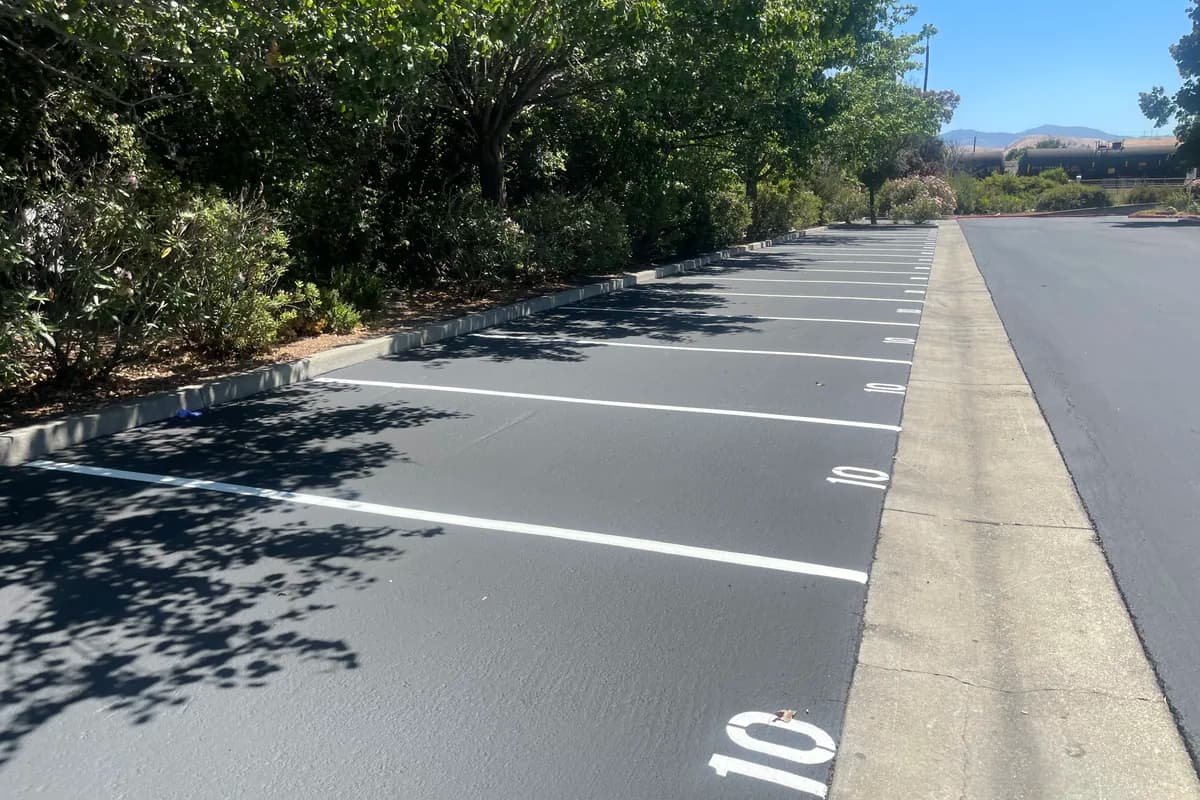
When Should You Seal Asphalt Cracks?
When to seal cracks in asphalt — which cracks to seal, the best time of year, why sealing early matters, and how crack sealing fits a maintenance schedule.
Property-owner guide
Updated July 11, 2026
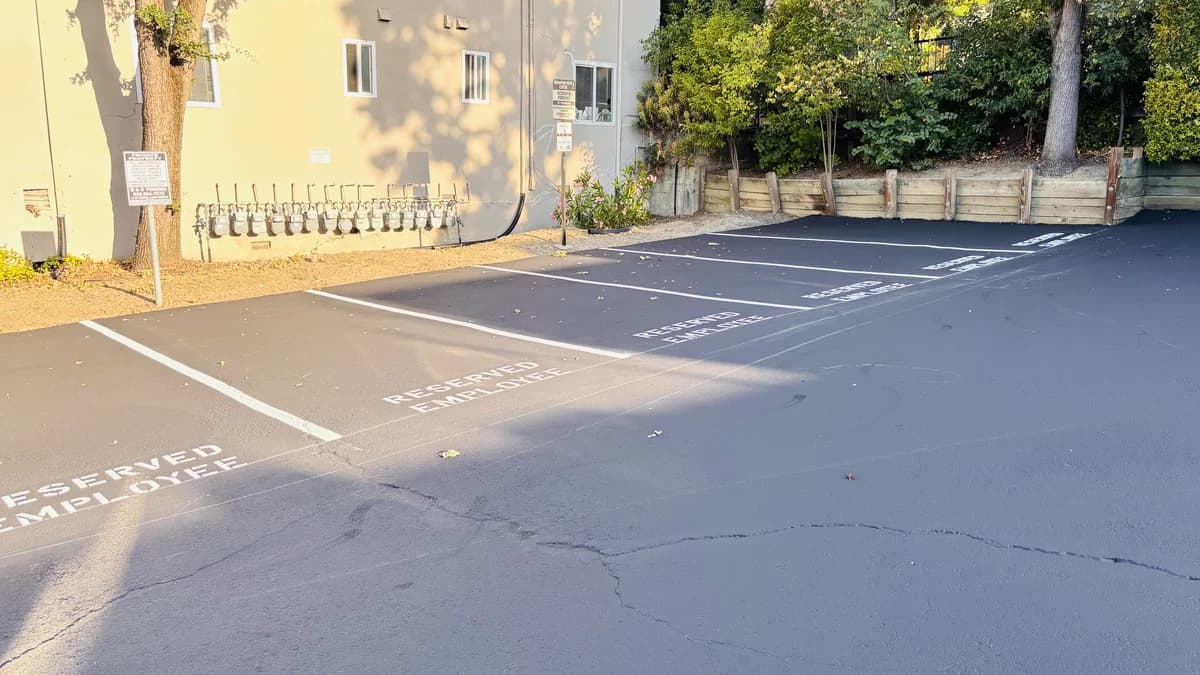
When Should You Restripe a Parking Lot?
How to tell when a parking lot needs restriping — faded lines, worn ADA markings, sealcoating, layout changes — and how often it is typically needed.
Before you hire: The Pavement Directory does not guarantee contractor performance, pricing, licensing, insurance, or availability. Business information may be submitted by contractors or gathered from public sources and should be independently verified before hiring. Always confirm licensing, insurance, references, scope of work, and written contract terms.
For contractors
Ready to compare New Mexico contractors?
Browse listings by city and service, then use what you have read here to check the scope, the credentials, and the timing before you sign.