
New Jersey pavement guide
Pavement Conditions in New Jersey: Regions, Soils, and Common Problems
New Jersey pavement carries port-scale loading on constrained sites, then spends every winter with salt and freeze-thaw working on it.
- 4 regions
- 5 common problems
- 6 local terms
Jump to section
Regional differences
Pavement Conditions by Region in New Jersey
New Jersey does not have one climate or one soil profile, and pavement that performs well in one part of the state can fail early a few hours away. These are the divisions that matter most when scoping paving, repair, or maintenance work.
Port district and northeastern New Jersey
Newark · Elizabeth · Jersey City · Bayonne · Kearny
Environmental stress
- Extremely heavy container and drayage truck traffic
- Frequent freeze-thaw cycling with heavy salt use
- Coastal and tidal flooding in low-lying areas
Subgrade conditions
- Historic fill over former meadowlands and marsh
- Soft, compressible soils with limited bearing capacity
- Dense utility congestion beneath existing pavement
Common distress
- Severe rutting and shoving under container chassis loading
- Settlement over compressible fill
- Utility cut settlement and patch failure
What it means for the work
- Container loading is a heavy-duty design problem, not a standard commercial one
- Concrete is common for the heaviest areas for good reason
- Site access and staging often govern the schedule
Turnpike warehouse corridor and central New Jersey
Edison · Piscataway · New Brunswick · Cranbury · Trenton
Environmental stress
- Very heavy distribution and freight traffic
- Frequent freeze-thaw cycling
- Heavy seasonal rainfall
Subgrade conditions
- Coastal plain sands and clays with variable drainage
- Fill on rapidly developed industrial parcels
- Locally poor drainage on flat sites
Common distress
- Rutting at dock aprons and truck courts
- Alligator cracking where drainage is inadequate
- Freeze-thaw potholing in late winter
What it means for the work
- Truck courts need a heavier section than the parking field
- Stormwater review is a real gating item on large sites
- Phasing around 24-hour operations is standard practice
Jersey Shore and coastal counties
Atlantic City · Toms River · Asbury Park · Cape May
Environmental stress
- Coastal flooding and storm surge exposure
- High water table and tidal influence in back-bay areas
- Salt air and blowing sand
- Extreme seasonal swings in occupancy
Subgrade conditions
- Sandy soils with a high water table
- Organic and marsh-adjacent soils in back-bay areas
- Fill over former wetland on many parcels
Common distress
- Base saturation and flood-related washout
- Settlement around inlets and structures
- Sand accumulation blocking drainage
What it means for the work
- Work windows are constrained by the summer season
- Post-flood assessment should look beneath the surface
- Coastal permitting can add review that inland projects do not face
Northwestern New Jersey and the Highlands
Morristown · Sparta · Hackettstown · Phillipsburg
Environmental stress
- Colder winters with deeper frost than the coast
- Rolling to steep terrain concentrating runoff
- Heavier snowfall than the shore counties
Subgrade conditions
- Glacial tills over bedrock
- Shallow rock on many hillside parcels
- Frost-susceptible soils in low-lying areas
Common distress
- Frost heave and spring break-up damage
- Erosion at pavement edges on slopes
- Plow gouging at curbs and transitions
What it means for the work
- Highlands water protection rules apply in parts of this region
- Crack sealing before winter has more value here than at the shore
- Rock excavation can dominate hillside project cost
Field conditions
Common Pavement Problems in New Jersey
Container and drayage rutting
Deep wheel paths, shoving, and structural break-up in container yards, truck courts, and drayage routes around the port and along the Turnpike corridor.
Likely causes
- Loaded container chassis imposing very high, concentrated, slow-moving loads
- Sections designed for ordinary commercial traffic
- Soft fill subgrade with limited bearing capacity
When to get it looked at: Rutting in a container or drayage area is a structural question about the section and the subgrade. Milling and filling it repeats the failure on a predictable schedule.
Settlement over meadowlands fill
Broad, gradual settlement and pavement pulling away from structures on sites built over former marsh and meadowlands fill in northeastern New Jersey.
Likely causes
- Compressible organic soils consolidating under fill and pavement
- Fill of variable quality placed decades ago
- Buildings on piles staying put while pavement around them settles
When to get it looked at: Where pavement is separating from a pile-supported building, repairs should be designed to tolerate continued movement rather than to make it flat once.
Coastal flood damage
After a coastal storm, pavement edges undermine, sections drop under load, and material is washed out from beneath, often with the surface looking largely intact.
Likely causes
- Floodwater moving through and beneath the pavement structure
- Prolonged inundation softening the subgrade
- Debris blocking drainage during the peak of the event
When to get it looked at: After a flood, have edges, structures, and any area that moves under load evaluated before reopening heavy traffic. Surface appearance is a poor guide to what happened below.
Freeze-thaw and salt deterioration
Spring potholing plus concrete curbs, walks, and aprons scaling and spalling faster than the adjacent asphalt shows wear.
Likely causes
- Water in unsealed cracks freezing repeatedly through the winter
- Chloride deicers driving freeze-thaw within the concrete surface
- Concrete without adequate air entrainment for the climate
Utility cut settlement
Depressions and cracking rings around utility trenches and structures on dense urban and older commercial pavement.
Likely causes
- Trench backfill not compacted to match the surrounding subgrade
- Water migrating along the trench line and freezing
- Repeated cuts in the same area over decades
Property types
Common Pavement Projects in New Jersey
Port and drayage facilities
Container chassis loading around Newark and Elizabeth requires heavy-duty design, and the soft meadowlands fill beneath many of those sites makes subgrade the controlling variable.
Warehouse and distribution facilities
Turnpike corridor truck courts concentrate slow, heavy loading, and stormwater review on large sites is usually the gating approval.
Shore hospitality and rental properties
Flood exposure and a hard summer-season deadline mean the damage and the acceptable work window fall in opposite parts of the year.
Dense retail and mixed-use properties
Sites built to the property line leave no staging area, so phasing and access frequently drive cost more than the paving does.
Corporate campuses and office parks
Large lots with extensive green infrastructure require work that protects bioretention areas and permeable surfaces during construction.
Plain English
Pavement Terms You May Encounter in New Jersey
| Term | What it means on a New Jersey project |
|---|---|
| Superpave | The mix design system used to match binder grade and aggregate structure to expected traffic and temperature. New Jersey suppliers use this vocabulary, and it matters for port and warehouse loading. |
| Dense-graded aggregate base (DGA) | The compacted crushed stone base commonly specified in New Jersey. Its thickness and compaction usually determine pavement life more than the asphalt above it. |
| Heavy-duty pavement section | A thicker, stronger design intended for container, chassis, or sustained truck loading. On a port-adjacent site this is a different design problem than a standard commercial lot. |
| Green infrastructure | Bioretention, permeable pavement, and similar practices that manage stormwater on site. Under New Jersey's stormwater rules these are the default approach for major development. |
| Groundwater recharge | A stormwater requirement to return a portion of runoff to the ground rather than discharging it. New Jersey's emphasis on recharge affects what a large lot project has to include. |
| Air-entrained concrete | Concrete with microscopic air voids that give freezing water somewhere to expand. Standard for exterior concrete here and a real factor in whether a walk or curb scales under salt. |
State transportation specifications can provide useful regional terminology and material references, but they do not automatically govern private parking-lot or driveway projects unless incorporated into the contract or required by the applicable jurisdiction.
More definitions are in the pavement glossary.
Before you sign
Questions to Ask a Paving Contractor in New Jersey
- Is this a heavy-duty section designed for container or chassis loading, and what is that design based on?
- What is beneath this pavement — is any of this site on meadowlands or other compressible fill?
- Will this project meet the state's major development threshold based on disturbed and created impervious area?
- Does this site have bioretention, permeable pavement, or other green infrastructure, and how will your work protect it?
- How will staging and access work on a site with no lay-down area, and is night or phased work included?
- If this property has flooded, was the base evaluated afterward or just resurfaced?
- Is this project public works, and are you registered with the Department of Labor for it?
- What is the crack sealing plan, and how late in the fall can it be done here?
- How will utility cuts be backfilled and compacted so they do not settle again?
New Jersey pavement condition FAQs
Why does pavement fail so fast at New Jersey port and warehouse sites?
Loaded container chassis and drayage trucks impose very high, concentrated, slow-moving loads — a fundamentally different problem from parked cars or even ordinary delivery traffic. Many of those sites also sit on historic fill over former marsh with limited bearing capacity. When heavy-duty loading meets a section designed for standard commercial traffic on soft subgrade, rutting and structural failure follow quickly. Milling and filling it addresses the symptom rather than the section.
What should I check on a shore property after coastal flooding?
Look beneath the surface. Floodwater moving through and under pavement washes out base material and undermines edges while the surface can still look intact. Check pavement edges, areas around inlets and structures, and anywhere that moves or sounds hollow under load. Have undermined areas evaluated before returning heavy traffic. Because shore properties also have a hard summer-season deadline, getting this scoped in the off-season matters.
Why do New Jersey projects cost more on constrained sites?
Because access and staging are real work. On a site built to the property line with no lay-down area, material has to be delivered in smaller loads on a tighter schedule, work has to be phased so the property keeps operating, and some of it may need to happen at night. That can add substantially to a project without changing a square foot of pavement. It is worth asking a contractor to explain how they plan to phase the work, because that explanation is often where the price difference between bids lives.
Does green infrastructure change how my parking lot gets maintained?
Yes. Bioretention areas and permeable pavement are engineered systems with maintenance obligations, not landscaping. Permeable surfaces need periodic vacuum sweeping or they stop infiltrating and become ordinary impervious pavement. Bioretention areas can be destroyed by construction traffic or by sediment washed in during repaving. If these features were installed to satisfy a stormwater approval, their maintenance may have been a recorded condition — worth confirming what your site's approval required.
Is northwestern New Jersey different from the rest of the state?
Meaningfully so. The Highlands and northwestern counties see colder winters, deeper frost, and more snow than the shore, which makes frost heave and fall crack sealing more consequential there. Parts of the region also fall under Highlands water protection, which adds review that a central New Jersey project would not face. A maintenance plan and a permitting assumption built for a Middlesex County site will not transfer to Sussex or Warren County.
Related reading for New Jersey property owners
Property-owner guide
Updated July 6, 2026
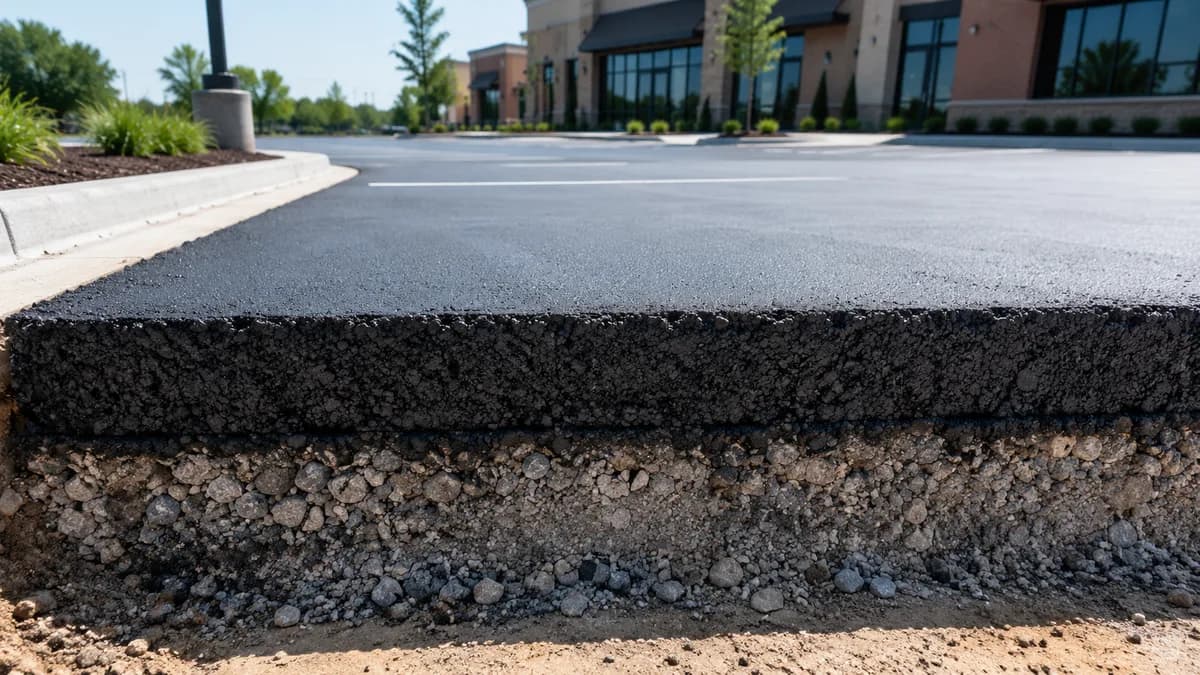
Asphalt Paving Thickness for Parking Lots
Typical asphalt paving thickness for parking lots: benchmarks for stalls, drive lanes, and truck areas, plus how base and soil change the answer.
Property-owner guide
Updated July 12, 2026
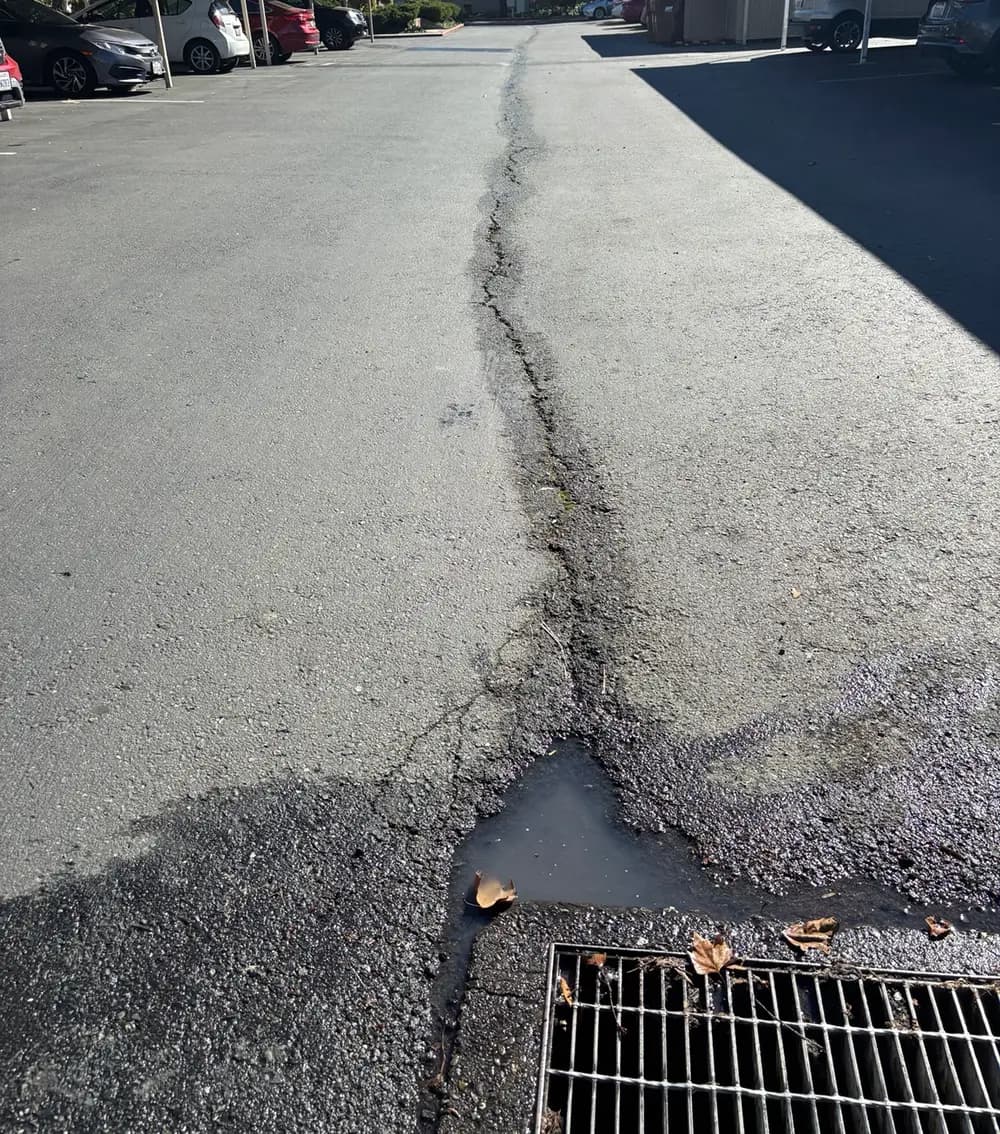
How Drainage Affects Pavement Life
Why drainage is the biggest factor in how long pavement lasts, how water damages asphalt from the base up, and why fixing it protects every repair.
Property-owner guide
Updated July 11, 2026
When Should You Seal Asphalt Cracks?
When to seal cracks in asphalt — which cracks to seal, the best time of year, why sealing early matters, and how crack sealing fits a maintenance schedule.
Property-owner guide
Updated July 6, 2026
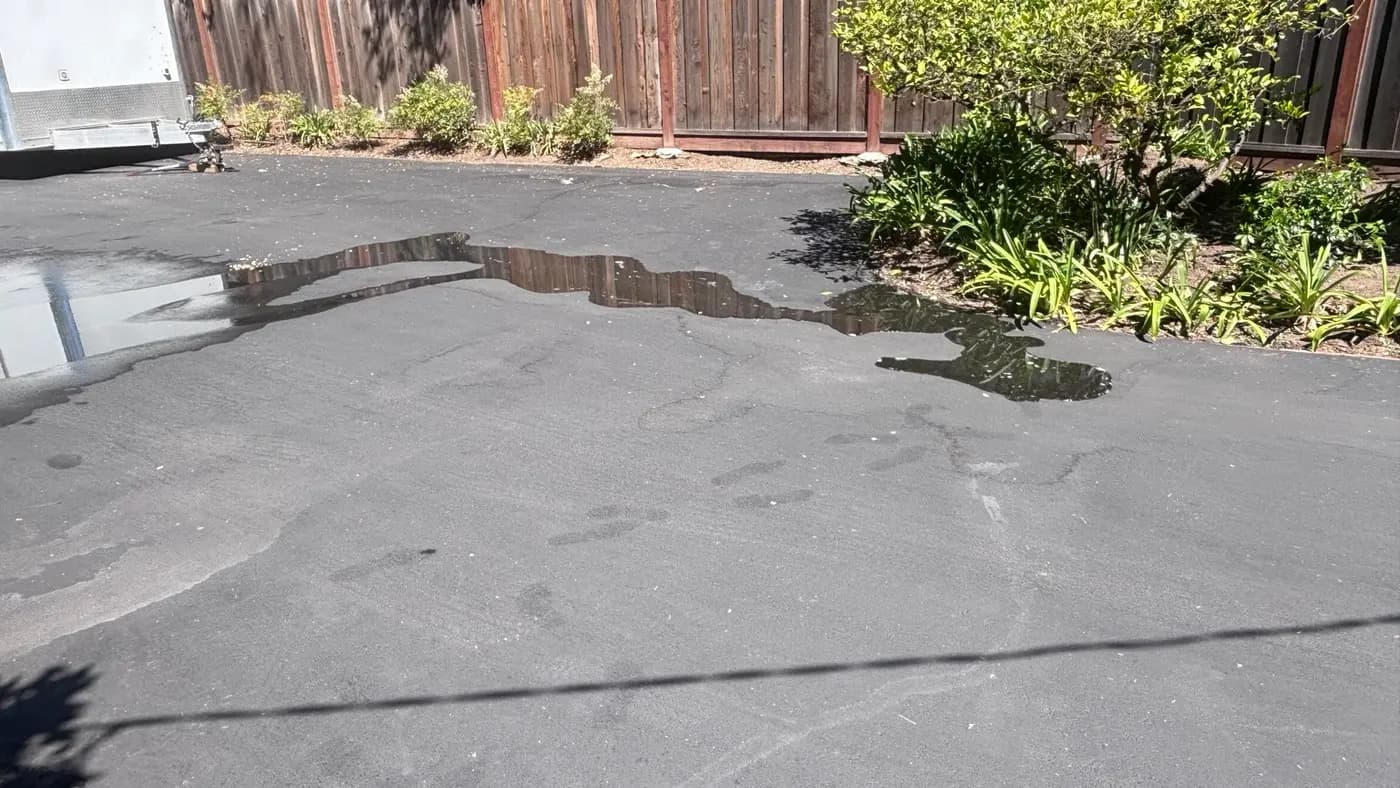
Parking Lot Drainage Problems: What Property Owners Should Know
Common causes of parking lot drainage problems, why they accelerate pavement damage, and what property owners should ask contractors before a fix.
Property-owner guide
Updated August 30, 2026
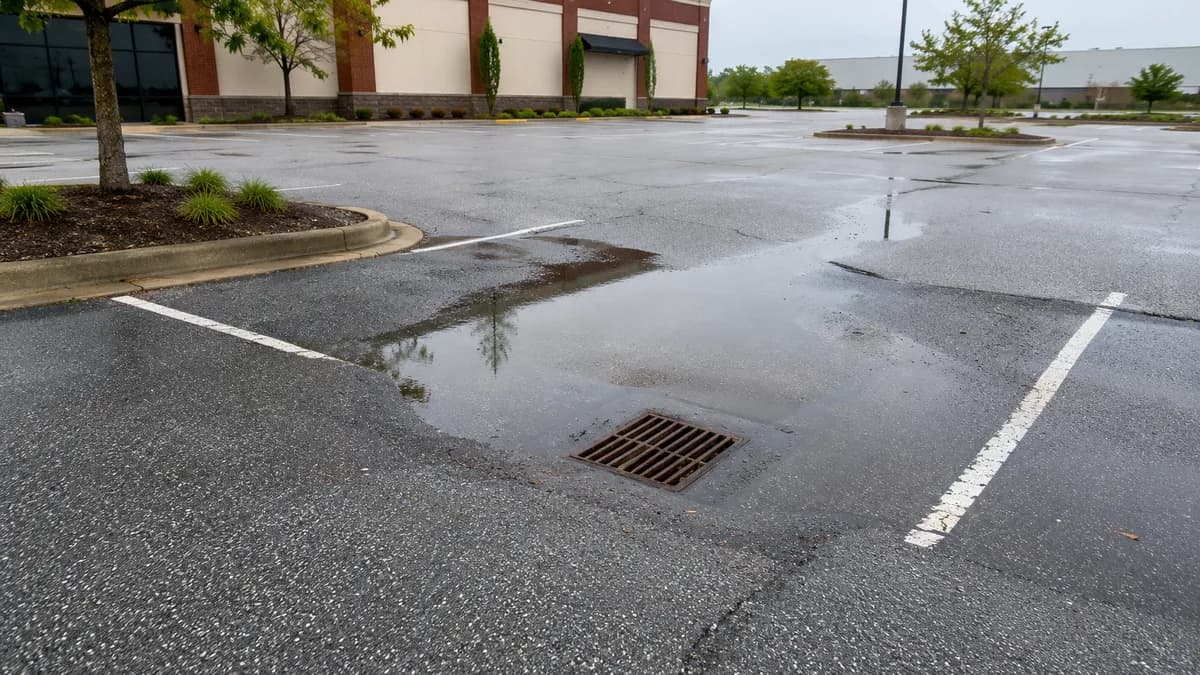
Commercial Parking Lot Maintenance Guide
How to inspect, preserve, repair, and budget for a commercial parking lot: lifecycle stages, treatments, drainage, ADA, scoping, and multi-year plans.
Before you hire: The Pavement Directory does not guarantee contractor performance, pricing, licensing, insurance, or availability. Business information may be submitted by contractors or gathered from public sources and should be independently verified before hiring. Always confirm licensing, insurance, references, scope of work, and written contract terms.
For contractors
Ready to compare New Jersey contractors?
Browse listings by city and service, then use what you have read here to check the scope, the credentials, and the timing before you sign.