

What this guide covers
The trigger to seal a crack is water intrusion: once a crack is wide enough to let water into the pavement, sealing it early prevents the base damage that turns cracks into potholes.
This guide covers which cracks to seal, when in the year, and why acting early pays off. When it's time, find crack sealing contractors in your area.
Crack sealing is usually paired with a sealcoat cycle — see the parking lot maintenance cost guide for how it fits a plan.
Related contractor categories
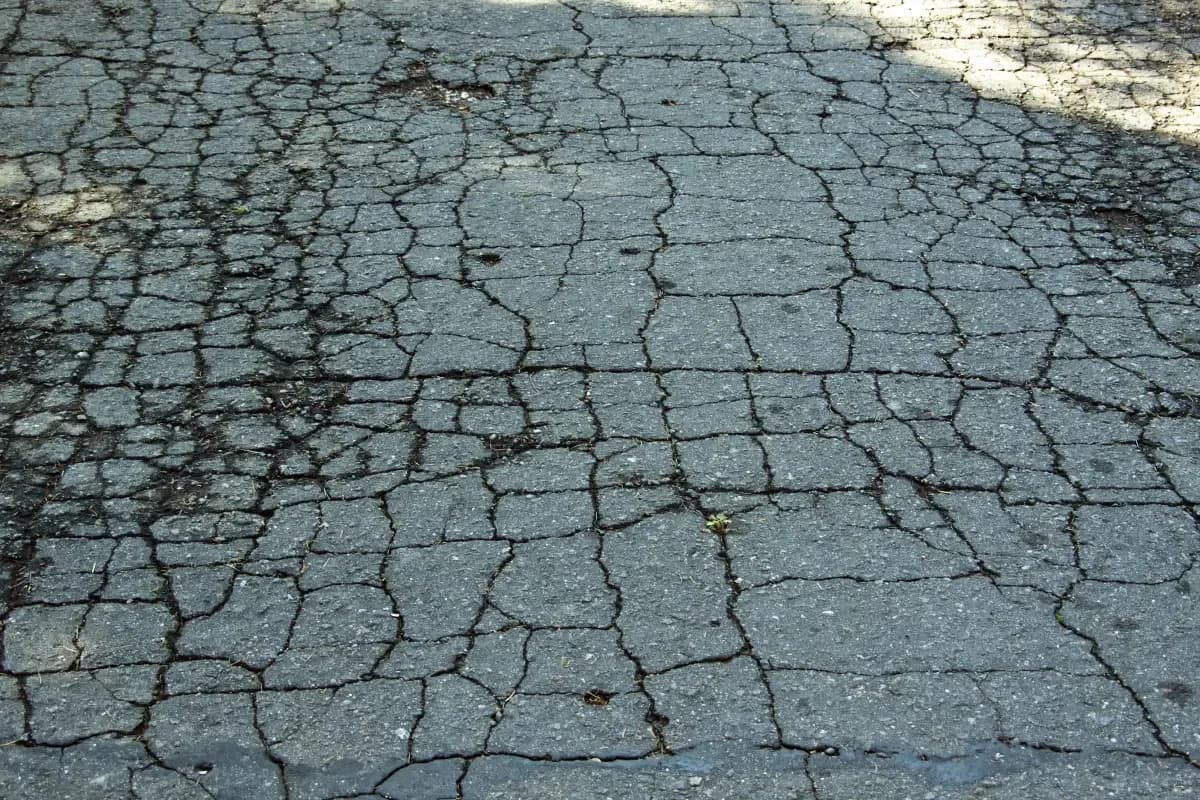
Which cracks to seal
Not every mark in the asphalt needs sealing, and some are past it:
- Seal working cracks roughly a quarter inch or wider that can admit water
- Seal transverse and longitudinal cracks before they branch
- Monitor very fine hairline cracks — they may not need sealing yet
- Don't seal alligatored or crumbling areas — those need patching or repair
- Prioritize cracks in low spots where water collects
The best time of year
Crack sealing performs best in moderate temperatures, which is why spring and fall are common. In peak summer heat cracks are at their narrowest (closed), and in deep cold sealant is harder to apply well. Sealing in fall, before winter, is especially valuable: it keeps water out ahead of freeze-thaw cycles that do the most damage. Exact timing depends on your climate and the contractor's materials.
Why sealing early pays off
Water is what destroys asphalt. A crack lets water reach the base, where it erodes support and, when it freezes, expands and widens the crack — a cycle that turns a cheap crack into an expensive pothole or alligatored area. Sealing a crack for a dollar or two per foot defers repairs that cost many times more per square foot. That economics is why waiting until damage is obvious is the costliest approach.
Make it a recurring cycle
New cracks form every year, so crack sealing works best as a recurring item — commonly annual — rather than a one-time job. Pairing it with your sealcoat cycle (sealing first, then coating) covers most of a basic maintenance program. Inspect at least once a year and seal the new cracks before they widen.
Frequently asked questions
When should asphalt cracks be sealed?
As soon as they're wide enough to let water in — generally around a quarter inch or wider — and before they branch into alligator cracking. Sealing before winter is especially valuable.
What time of year is best for crack sealing?
Spring and fall are common because moderate temperatures help the sealant perform. Sealing in fall keeps water out ahead of winter freeze-thaw cycles.
Why not just wait until the cracks get worse?
Because water intrusion turns a cheap crack into an expensive pothole. Sealing early for a dollar or two per foot defers repairs that cost many times more per square foot.
How often should cracks be sealed?
Because new cracks form every year, sealing works best on a recurring cycle — commonly annual — as part of a maintenance program rather than a one-time job.
Before you hire: The Pavement Directory does not guarantee contractor performance, pricing, licensing, insurance, or availability. Business information may be submitted by contractors or gathered from public sources and should be independently verified before hiring. Always confirm licensing, insurance, references, scope of work, and written contract terms.
For property owners
Looking for a pavement contractor?
Use The Pavement Directory to search asphalt, concrete, sealcoating, striping, ADA access, and pavement maintenance contractors by service and location. Always verify license, insurance, references, and written scope before hiring.
Search contractorsFor contractors
Are you a pavement contractor?
Contractors can add or claim a company profile to help property owners find pavement professionals by service, location, and specialty.