Pennsylvania requires contractors performing home improvement work above a modest annual threshold to register with the Office of Attorney General as Home Improvement Contractors, and that registration is searchable online. It applies to residential work — a driveway at a private home falls within it; a commercial parking lot generally does not.
For commercial paving there is no statewide licensing requirement, so the registration search will often return nothing meaningful for a company that works primarily on commercial property. That is not by itself a red flag; it reflects what the registration covers.
Philadelphia and Pittsburgh each maintain their own contractor licensing and permitting requirements, and many other municipalities require registration or permits for work within their jurisdiction. Ask the local authority what applies rather than assuming a statewide answer.
Confirm the entity through the Department of State's business search, match it to the contract and the insurance certificate, and ask for a certificate of insurance sent directly from the carrier covering general liability and workers' compensation for your project dates.
What a contractor license does not prove
Home Improvement Contractor registration is a residential consumer protection measure. It says nothing about commercial paving capability, and its absence on a commercial contractor is expected rather than concerning.
- That the proposed scope is the right fix for what is actually failing
- That the price is fair for the local market
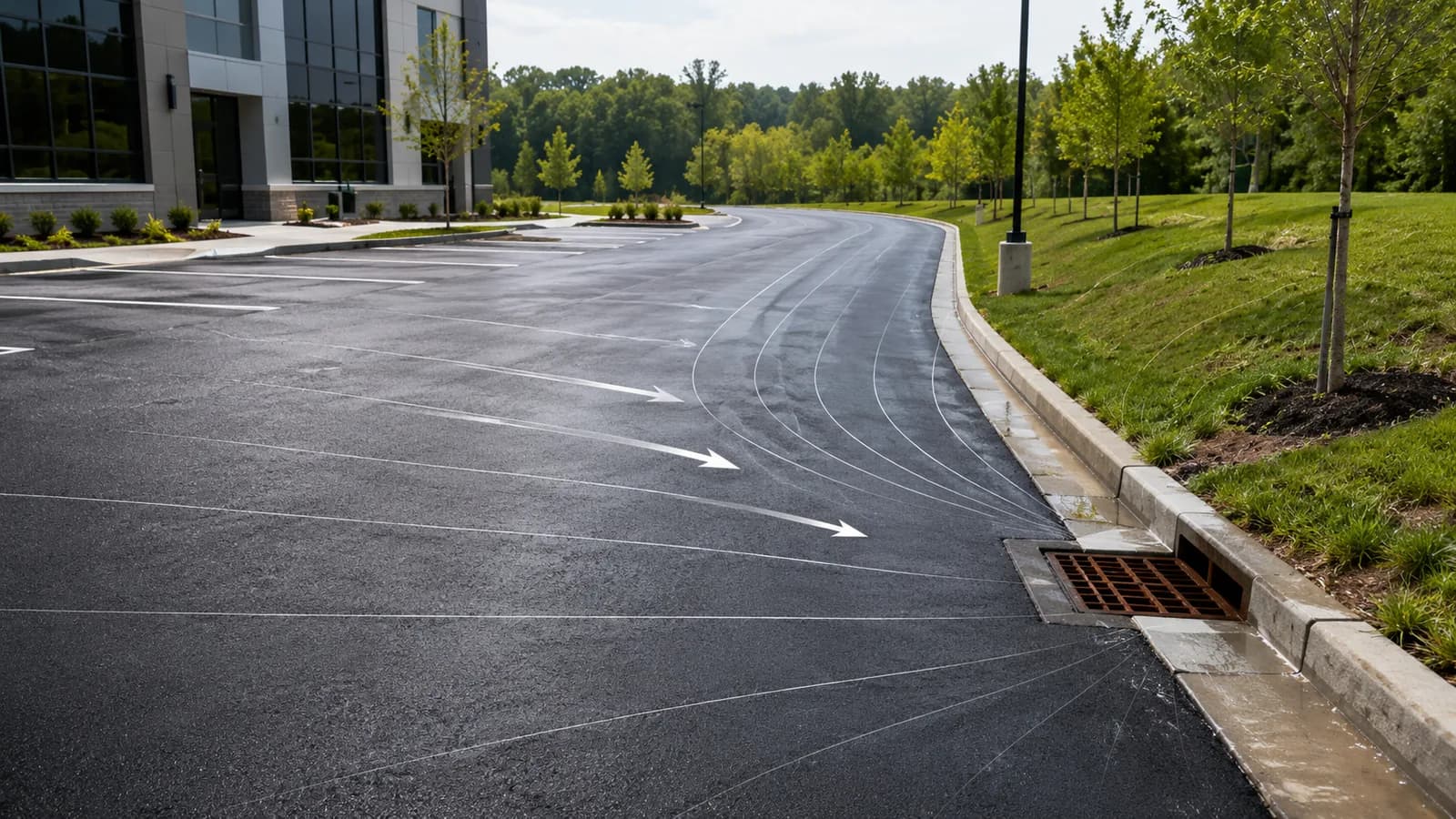
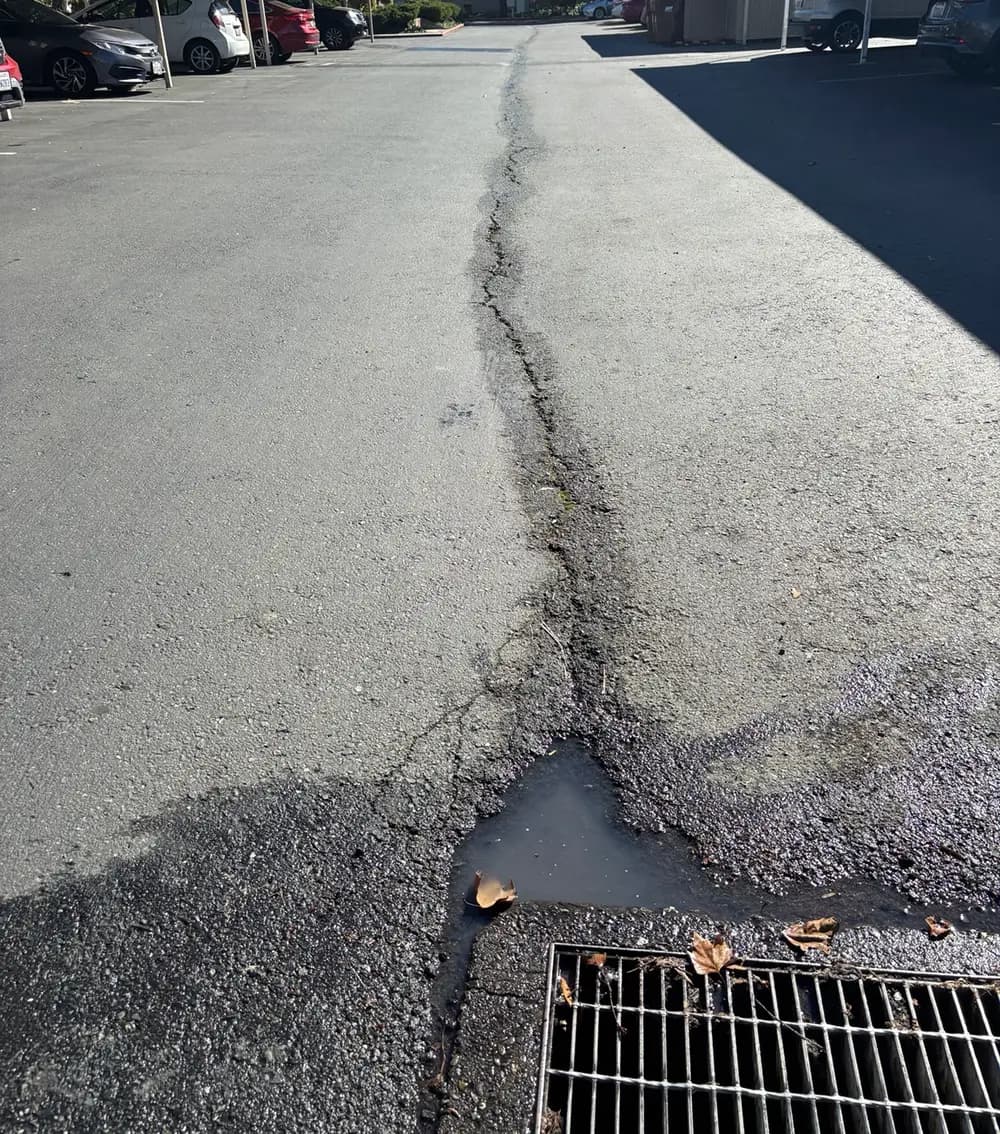
- That drainage has been designed or corrected
- That the pavement section and thickness suit the traffic the property carries
- That the specified materials are appropriate for the site
- That the crew will show up when promised
- That workmanship will hold up past the first winter or summer
- That the company is financially stable enough to honor a warranty
Ask for a certificate of insurance sent directly from the carrier or agent rather than a copy forwarded by the contractor, confirm the general liability and workers’ compensation coverage is active on the dates of your work, and ask to be named as certificate holder so you are notified if the policy lapses.
Licensing requirements can turn on project value, scope of work, property location, and whether the job is public or private. City and county rules may add registration, permitting, or bonding requirements beyond anything required at the state level. Verify current requirements with the agency directly before contracting.