
Massachusetts pavement guide
Pavement Conditions in Massachusetts: Regions, Soils, and Common Problems
Massachusetts pairs severe freeze-thaw and glacial soil variability with a permitting path that runs through EPA and the local conservation commission rather than a state stormwater agency.
- 5 regions
- 5 common problems
- 6 local terms
Jump to section
Regional differences
Pavement Conditions by Region in Massachusetts
Massachusetts does not have one climate or one soil profile, and pavement that performs well in one part of the state can fail early a few hours away. These are the divisions that matter most when scoping paving, repair, or maintenance work.
Greater Boston and the coastal lowland
Boston · Cambridge · Quincy · Somerville · Lynn
Environmental stress
- Repeated freeze-thaw cycling with frequent winter rain-then-freeze events
- Heavy deicing on dense commercial and institutional pavement
- Coastal storm flooding and, in low-lying areas, tidal influence on drainage
Subgrade conditions
- Marine clay and silt at depth in the Boston Basin
- Extensive historic fill on made land near the harbor and rivers
- Shallow bedrock outcropping in places within short distances
Common distress
- Settlement over old utility trenches and buried structures
- Alligator cracking where drainage is constrained by surrounding grades
- Concrete surface scaling on heavily salted walks and aprons
What it means for the work
- Staging space and truck access are frequently the binding schedule constraint
- Made ground and unknown buried structures make test pits worthwhile before pricing
- Night and weekend work is common because daytime closures are impractical
Central Massachusetts uplands
Worcester · Fitchburg · Leominster · Marlborough · Milford
Environmental stress
- Colder winters and more freeze-thaw cycles than the immediate coast
- Meaningful snowfall totals with sustained plowing
- Rolling terrain concentrating runoff onto lower sites
Subgrade conditions
- Dense glacial till with a mix of fines, sand, and cobbles
- Shallow, irregular bedrock across many parcels
- Frost-susceptible silty soils in low areas and old wetland margins
Common distress
- Frost heave producing seasonal bumps that partly recover by summer
- Spring potholing along crack lines opened over winter
- Cracking where a section crosses from rock to soil subgrade
What it means for the work
- Ledge removal is a real cost item and belongs in the bid as a unit price
- Frost-susceptible material at transitions is a recurring source of heaving
- Crack sealing before winter earns its cost reliably at this elevation
Connecticut River Valley
Springfield · Northampton · Holyoke · Chicopee · Amherst
Environmental stress
- Hot, humid summers relative to the rest of the state
- Substantial freeze-thaw cycling through winter
- Riverine flooding along the valley floor
Subgrade conditions
- Lake-bed silts and varved clays from glacial Lake Hitchcock
- Sand and gravel terraces above the river floodplain
- Traprock ridges with shallow, hard rock nearby
Common distress
- Frost heave in fine-grained lake sediments
- Settlement on filled or low-lying valley parcels
- Base saturation in areas that drain slowly after river-valley rain events
What it means for the work
- Fine lake sediments are frost-susceptible and often need a thicker granular section
- Floodplain status can change what is permissible on a site
- Subgrade can shift from silt to gravel within one parcel
Cape Cod and the Islands
Barnstable · Falmouth · Hyannis · Edgartown · Nantucket
Environmental stress
- Milder winters than inland but persistent damp and salt air
- Extremely concentrated summer traffic on lots that are quiet nine months a year
- Coastal storms, wind-driven sand, and salt spray
Subgrade conditions
- Clean glacial outwash sand with excellent drainage and poor lateral support
- High water table on low-lying parcels
- Groundwater protection districts overlying the sole-source aquifer
Common distress
- Edge break-up and ravel where pavement is unconfined
- Sand infiltration and surface abrasion in exposed locations
- Rutting concentrated into the summer months when loading peaks
What it means for the work
- Aquifer protection rules can restrict what may be applied to a surface here
- Ferry schedules and seasonal traffic materially affect island logistics and cost
- Edge confinement matters more than base drainage on clean sand
The Berkshires
Pittsfield · North Adams · Great Barrington · Lenox
Environmental stress
- The state's coldest winters and heaviest snowfall
- Deep frost penetration and numerous freeze-thaw cycles
- Steep grades and concentrated slope runoff
Subgrade conditions
- Rocky glacial till over bedrock at shallow depth
- Marble and limestone belts in parts of the county
- Saturated soils at the toe of slopes and below cut faces
Common distress
- Severe frost heave and spring break-up
- Plow damage at edges, joints, and raised features
- Washout where uncontrolled runoff crosses pavement on a grade
What it means for the work
- The practical working window is shorter here than anywhere else in the state
- Snow storage and meltwater routing should be settled at layout, not after
- Steep-site drainage work often costs more than the paving itself
Field conditions
Common Pavement Problems in Massachusetts
Frost heave and spring break-up
Pavement lifting into bumps and ridges through late winter, partly settling back by summer, and leaving cracks and potholes behind in the same places every year.
Likely causes
- Frost-susceptible silty soils forming ice lenses as freezing penetrates
- Water available in the subgrade with no path to drain away
- Insufficient depth of clean granular material below the pavement
- Differential frost penetration at transitions between materials
When to get it looked at: Heaving that recurs in the same footprint each winter is a subgrade and drainage question. Resurfacing over it produces a smooth lot that heaves in exactly the same places the following February.
Deicing damage to concrete walks and aprons
Sidewalks, entry aprons, and dumpster pads shedding their surface in thin flakes, with joints opening, edges spalling, and — on accessible routes — the surface becoming uneven enough to matter.
Likely causes
- Repeated freezing while the concrete surface is saturated
- Deicing chemicals applied to concrete during its first winter
- Finishing practices that left a weak or overworked surface layer
- Drainage that keeps the surface wet through freeze cycles
When to get it looked at: Scaling with sound concrete beneath can often be addressed without full replacement. Deterioration that reaches reinforcement, or that creates a change in level on an accessible route, needs attention on a shorter timeline.
Settlement over made ground and old utilities
Localized dips and cracking that follow a straight line across an otherwise sound lot, common on long-developed Boston-area parcels where the ground beneath has been disturbed repeatedly.
Likely causes
- Historic fill placed without engineered compaction
- Poorly backfilled utility trenches consolidating over time
- Buried structures, foundations, or abandoned lines beneath the pavement
- Groundwater movement carrying fines out of loose fill
When to get it looked at: Cracking in a straight line is a strong hint that something buried is driving it. Test pits before pricing a reconstruction are cheaper than discovering it mid-project.
Unconfined edge failure on outwash sand
On Cape and Island lots, the pavement perimeter cracks parallel to the edge, drops, and ravels away while the interior stays serviceable.
Likely causes
- Clean sand providing very little lateral support at an unconfined edge
- No curb, thickened edge, or compacted stabilized shoulder
- Vehicles routinely tracking the perimeter in tight aisles
- Runoff sheeting over the edge and eroding the supporting soil
Reflective cracking through overlays
New cracks appearing in a recently resurfaced lot in the same pattern as the cracks that were there before, typically within one or two winters.
Likely causes
- Existing cracks not treated before the overlay was placed
- Continued movement in the underlying pavement and base
- An overlay too thin to resist the movement below it
- Freeze-thaw cycling driving the old crack pattern upward
When to get it looked at: If a resurfacing that is two years old is cracking on the old pattern, the question to ask about the next one is what will be done differently to the layer underneath.
Property types
Common Pavement Projects in Massachusetts
University and hospital campuses
Boston-area institutional properties combine constant occupancy, accessible routes that cannot be interrupted, and almost no staging room, so phasing and access planning usually outweigh material selection.
Life sciences and biotech facilities
Cambridge and suburban lab campuses often sit on made ground with dense buried utilities, where reconstruction runs into unknowns that test pits should surface before pricing.
Seasonal resort and marina properties
Cape and Island properties absorb a year of traffic in a few months and sit near resource areas, so both the loading pattern and the permitting path differ from an inland lot.
Distribution and manufacturing sites
Central Massachusetts and I-495 corridor facilities put trailer loading on sections built for lighter traffic, and frost-susceptible till underneath makes the aprons the first thing to fail.
Municipal and school district properties
Public work here brings bidding, bonding, and prevailing wage requirements, and bus loops carry loads far beyond the adjacent parking fields they were built alongside.
Plain English
Pavement Terms You May Encounter in Massachusetts
| Term | What it means on a Massachusetts project |
|---|---|
| Dense graded crushed stone | The compacted stone base placed beneath asphalt in Massachusetts work. Its thickness and cleanliness do more for pavement life in a freeze-thaw climate than the surface course above it does. |
| Gravel borrow / processed gravel | Granular material specified below the base to provide drainage and frost protection. In frost-susceptible ground the depth of clean granular material is often the most consequential number on the section detail. |
| Ledge | The New England term for bedrock encountered during excavation. It is common enough in central and western Massachusetts that it belongs in the bid as a unit price rather than as an assumption. |
| Frost-susceptible soil | Fine-grained material in which freezing water forms ice lenses that lift the pavement above. Identifying and replacing it at transitions is what stops the same bump reappearing every winter. |
| Catch basin adjustment | Raising or resetting drainage structures so their rims match the finished pavement after milling or overlay. Skipping it is a leading cause of new ponding after a resurfacing. |
| Resource area buffer zone | The regulated band of land around a wetland, stream, or coastal resource in which work triggers conservation commission review. Its extent is defined by the state act and can be expanded by local bylaw. |
State transportation specifications can provide useful regional terminology and material references, but they do not automatically govern private parking-lot or driveway projects unless incorporated into the contract or required by the applicable jurisdiction.
More definitions are in the pavement glossary.
Before you sign
Questions to Ask a Paving Contractor in Massachusetts
- Does this project need a filing with the conservation commission, and who is responsible for making it?
- Is any part of this lot inside a wetland buffer zone or a local bylaw resource area?
- How deep is clean granular material going below the pavement, and how was that depth chosen?
- Do you know whether this site is made ground, and would test pits be worth doing before we finalize scope?
- How will ledge be handled if you hit it, and what is the unit price?
- Will catch basins and structures be adjusted to the finished grade after milling?
- What is being done to the existing cracks before an overlay goes over them?
- Are there aquifer or groundwater protection restrictions at this address that affect surface treatments?
- What surface and overnight temperatures does your proposed product require, and what happens if the weather closes the window?
Massachusetts pavement condition FAQs
Why does my Massachusetts parking lot project need conservation commission approval?
Because the Wetlands Protection Act is administered locally, and its jurisdiction extends to buffer areas around wetlands, streams, ponds, and coastal resources — not just to the resource itself. If any part of the work falls inside that regulated area, a filing with the town's conservation commission may be required even for work the owner considers routine maintenance. Many municipalities also have their own wetlands bylaws that reach further than the state act does. Ask the commission early; the filing timeline is often the longest item in the schedule.
Why does the same bump come back in my lot every winter?
That is frost heave, and it recurs because the cause sits below the pavement. Frost-susceptible fine-grained soil holds water, freezing draws more water toward the freezing front, ice lenses form, and the pavement above is lifted. In spring it thaws and mostly settles back, leaving cracks behind. Because the mechanism is in the subgrade, resurfacing produces a lot that heaves in the identical footprint the following February. The durable fix is replacing frost-susceptible material with clean granular material and giving the water somewhere to go.
Why do Cape Cod lots break up at the edges first?
Glacial outwash sand drains beautifully and supports almost nothing laterally. At an unconfined pavement edge, there is very little holding the asphalt in place when a vehicle runs the perimeter, and runoff sheeting off the edge steadily removes the soil beneath it. The result is cracking parallel to the edge that works inward while the middle of the lot stays fine. Curb, a thickened edge, or a properly compacted stabilized shoulder addresses it; another patch in the same location does not.
Is sealcoating worth doing in the Massachusetts climate?
On sound asphalt it slows oxidation and keeps the surface uniform, which has real value in a climate that cycles through freezing repeatedly. On pavement that is already cracking through to the base it accomplishes very little and can obscure the condition an assessment needs to see. It is also not a substitute for crack sealing, which is the higher-value treatment here. On Cape Cod and the Islands, check whether local aquifer protection rules restrict what may be applied before assuming a product is available.
My lot was resurfaced two years ago and the old cracks are back. Why?
That is reflective cracking. When an overlay is placed over pavement whose cracks are still moving, the movement continues and works its way up through the new asphalt in the same pattern. A thin overlay resists it least, and a New England winter drives the process quickly. It usually means the underlying cracks were not treated, or the underlying pavement was too far gone for an overlay to be the right answer. Before buying the next one, ask specifically what will be done to the layer underneath.
Related reading for Massachusetts property owners
Property-owner guide
Updated July 11, 2026
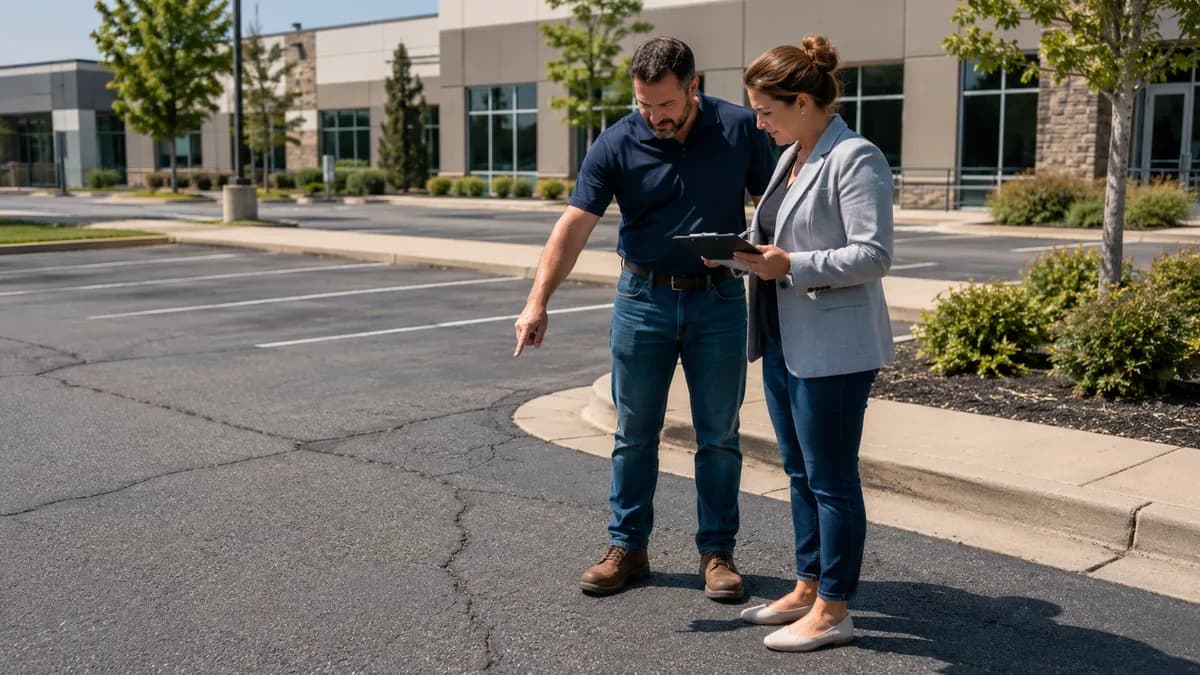
When Should You Seal Asphalt Cracks?
When to seal cracks in asphalt — which cracks to seal, the best time of year, why sealing early matters, and how crack sealing fits a maintenance schedule.
Property-owner guide
Updated July 6, 2026
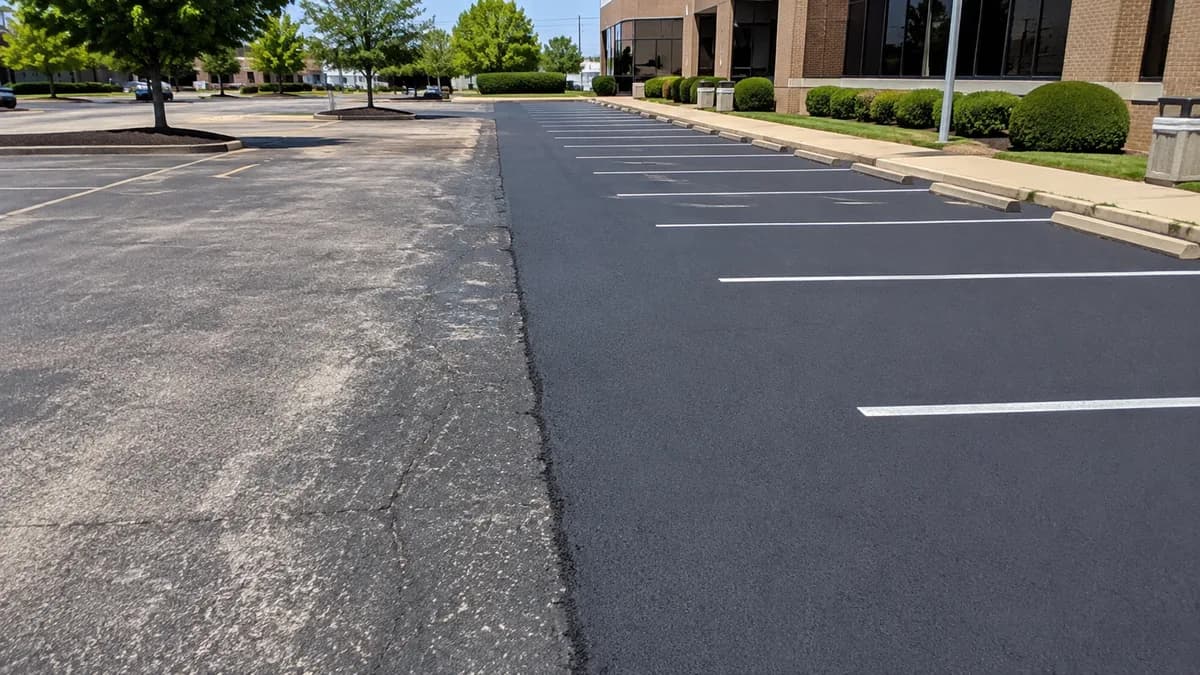
How to Choose an Asphalt Paving Contractor
How to choose an asphalt paving contractor: project fit, relevant experience, written scope, references, insurance, and pavement qualifications.
Property-owner guide
Updated July 6, 2026
Asphalt Paving vs Asphalt Overlay
Compare asphalt paving vs asphalt overlay. Learn when overlay works, when it fails, and what property owners should check before approving pavement resurfacing.
Property-owner guide
Updated July 11, 2026
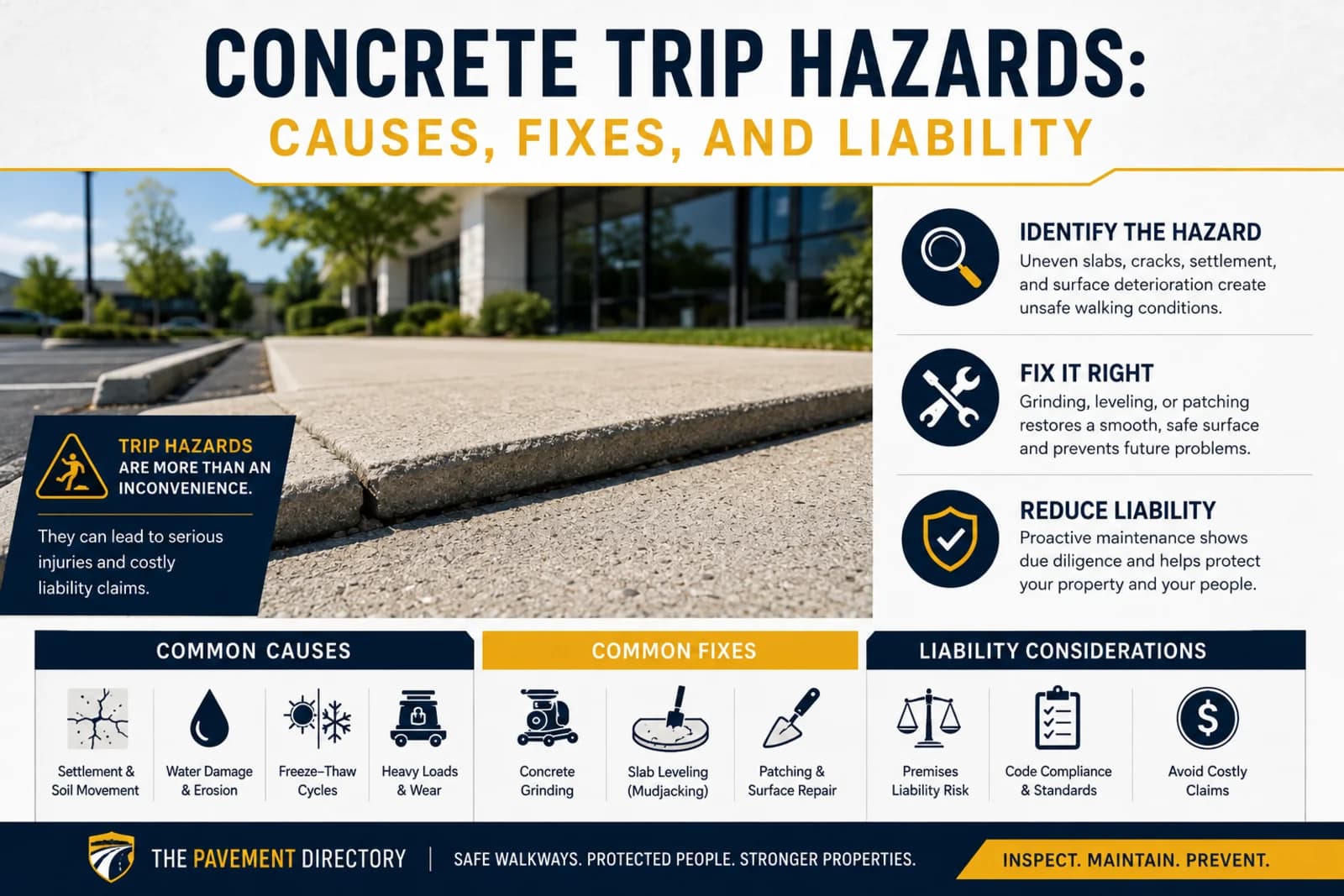
Concrete Trip Hazards: Causes, Fixes, and Liability
What causes concrete trip hazards on sidewalks, how they are fixed by grinding, cutting, slab lifting, or replacement, and the ADA and liability stakes.
Property-owner guide
Updated July 6, 2026
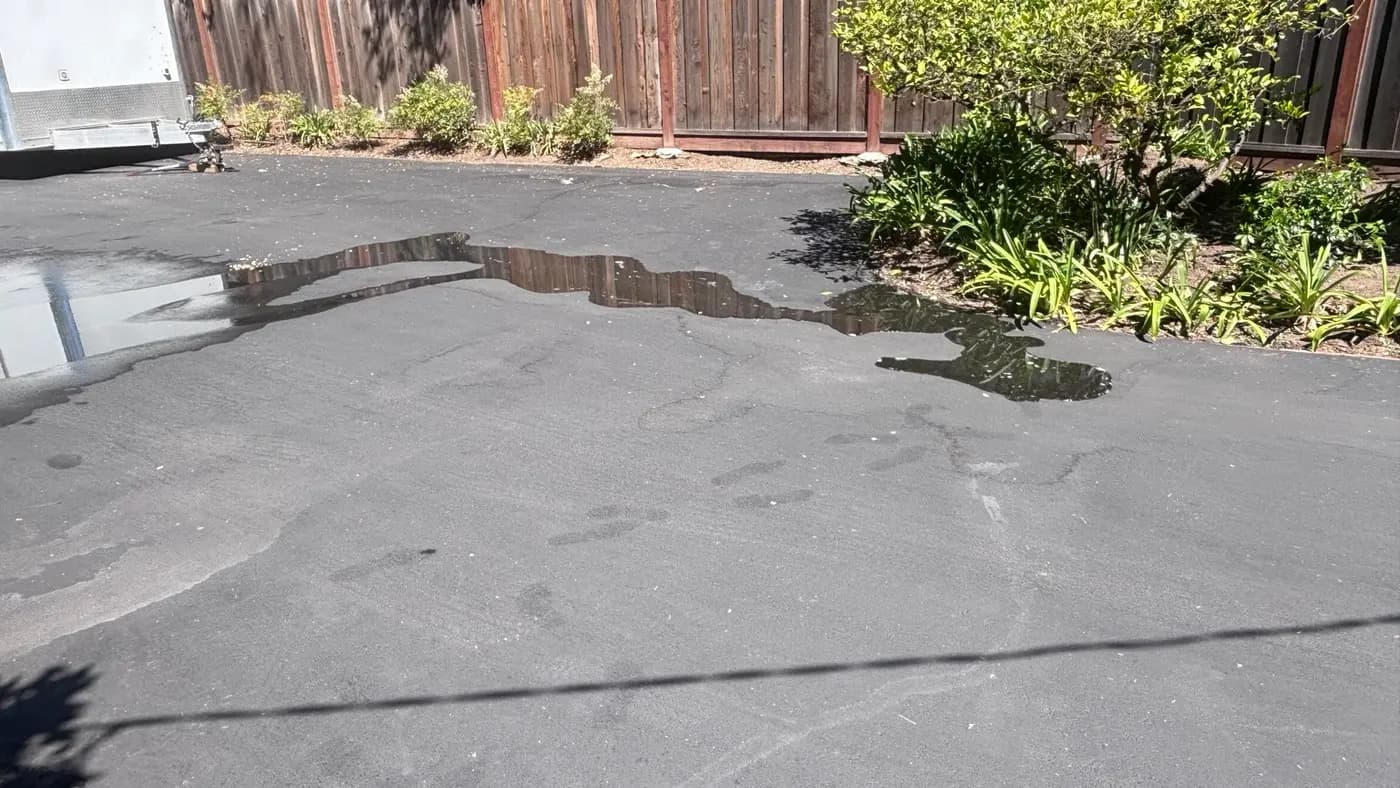
Parking Lot Drainage Problems: What Property Owners Should Know
Common causes of parking lot drainage problems, why they accelerate pavement damage, and what property owners should ask contractors before a fix.
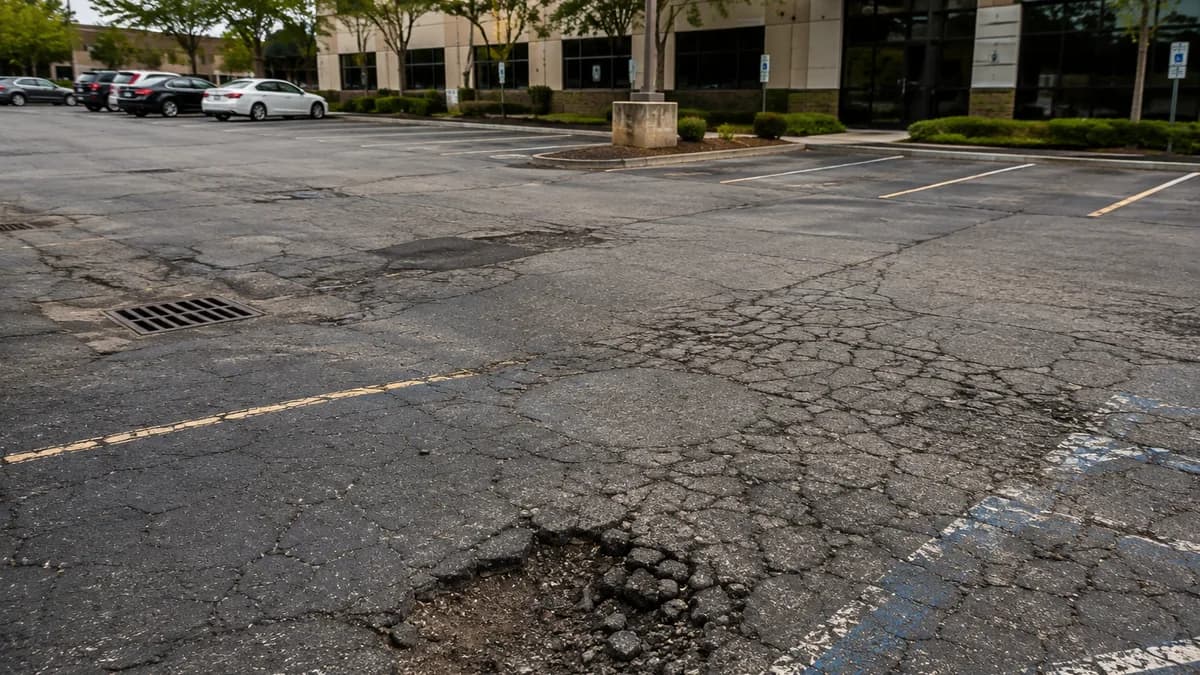
Property-owner guide
Updated July 11, 2026
Signs Your Parking Lot Needs Maintenance
How to read the warning signs a parking lot needs attention — cracks, potholes, faded striping, ponding, raveling — and what each one means.
Before you hire: The Pavement Directory does not guarantee contractor performance, pricing, licensing, insurance, or availability. Business information may be submitted by contractors or gathered from public sources and should be independently verified before hiring. Always confirm licensing, insurance, references, scope of work, and written contract terms.
For contractors
Ready to compare Massachusetts contractors?
Browse listings by city and service, then use what you have read here to check the scope, the credentials, and the timing before you sign.