
California pavement guide
When to Pave, Sealcoat, and Repair in California
A season-by-season calendar for California: the work that fits each window, what tends to delay it, and what to inspect for before you book a contractor.
- 4 planning windows
- Inspection priorities
- Regional exceptions
Timing
Paving and Maintenance Calendar for California
Treat this as a planning aid, not a rule. Whether a given treatment can actually be placed on a given day depends on product requirements, surface and nighttime temperatures, the rain forecast, humidity, plant availability, the project specification, and the contractor’s means and methods.
Winter (storm season)
Work often suited to this window
- Emergency pothole and safety repairs
- Inlet, swale, and drainage clearing between storms
- Assessments, condition surveys, and next-year budget planning
Scheduling risks
- Storm sequences can close paving windows for a week or more at a time
- Cool nights limit the placement and cure of many surface treatments
- Saturated subgrade makes structural repairs less reliable
Inspect for: Walk the property during or right after a storm and record where water stands, where it runs, and which inlets back up.
Regional exception: Sierra and northern mountain properties are in snow-and-plow operations rather than a paving window; coastal Southern California may still see workable dry stretches.
Spring
Work often suited to this window
- Structural repairs to areas that failed over the winter
- Crack sealing while cracks are still open and clean
- Drainage corrections identified during storm season
Scheduling risks
- Late-season storms can interrupt work already mobilized
- Demand climbs quickly, so lead times lengthen through the spring
Inspect for: Map the cracking and failed areas the winter created, and separate what is surface distress from what is base failure.
Summer
Work often suited to this window
- Paving, overlays, and full reconstruction
- Sealcoating and surface treatments
- Striping and accessibility upgrades
Scheduling risks
- Extreme interior heat may push work to nights or early mornings
- Peak season means plant and crew availability tightens
- Retail and school sites compete for the same shutdown windows
Inspect for: Look for rutting, shoving, and softening in truck areas while pavement is at its hottest — that is when structural weakness shows.
Regional exception: In the Sierra and far north, this is the main construction season and it is short; book earlier than a valley property would.
Fall (pre-storm)
Work often suited to this window
- Crack sealing ahead of the wet season
- Final paving before night temperatures drop
- Inlet and drainage cleaning before first storms
Scheduling risks
- The first storms arrive earlier in the north than in the south
- Cooling nights progressively narrow the window for surface treatments
Inspect for: Confirm every inlet, swale, and drainage path is clear before the first significant rain.
California paving season FAQs
How often should a Central Valley parking lot be sealcoated compared to a coastal one?
There is no single interval, but the driver is real: sustained heat and UV in Fresno, Bakersfield, Redding, and the desert dry out the asphalt binder much faster than the mild coastal climate does, so interior lots typically need surface protection on a shorter cycle than a San Francisco or Eureka property of the same age and traffic. The right interval for your lot depends on its current condition, traffic, and the product being used — a condition assessment beats a calendar rule.
Why does pavement crack seasonally over Bay Area clay soils?
Expansive clay changes volume with moisture: it swells during the wet winter and shrinks as it dries through the summer. Pavement built over it rides that movement, so cracks open and close on a seasonal cycle and repairs placed in one season can look wrong in another. Managing the moisture — irrigation control, downspout routing, and drainage away from the pavement edge — usually matters more than the asphalt specification.
When is the paving season in the Sierra Nevada?
Mountain properties around Truckee, Tahoe, and the Sierra counties work in a compressed snow-free window rather than California's year-round coastal schedule. That window is short enough that contractors book out early, and asphalt plant availability at elevation is thinner than in the valleys. Plan mountain paving and sealcoating well ahead of the season rather than trying to fit it in late.
Timing guides that apply in every state
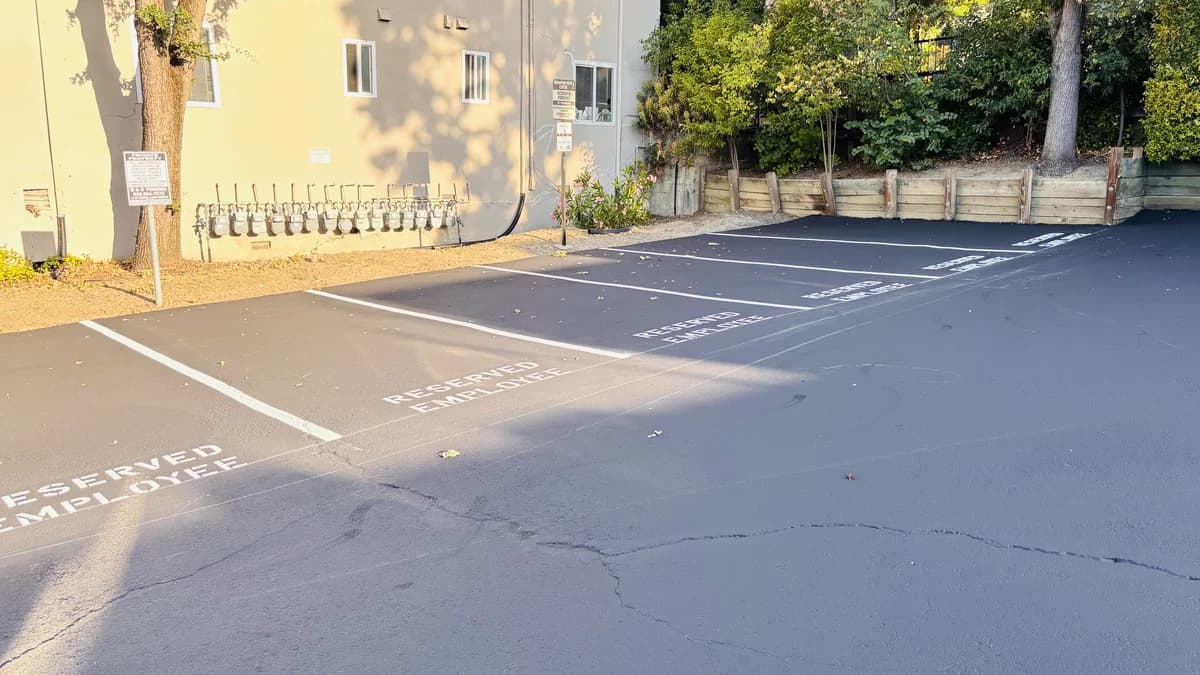
Property-owner guide
Updated July 6, 2026
When Is Sealcoating Worth It?
When sealcoating provides real value as preventive asphalt maintenance, and the pavement conditions where it makes the most sense.
Property-owner guide
Updated July 11, 2026
When Should You Seal Asphalt Cracks?
When to seal cracks in asphalt — which cracks to seal, the best time of year, why sealing early matters, and how crack sealing fits a maintenance schedule.
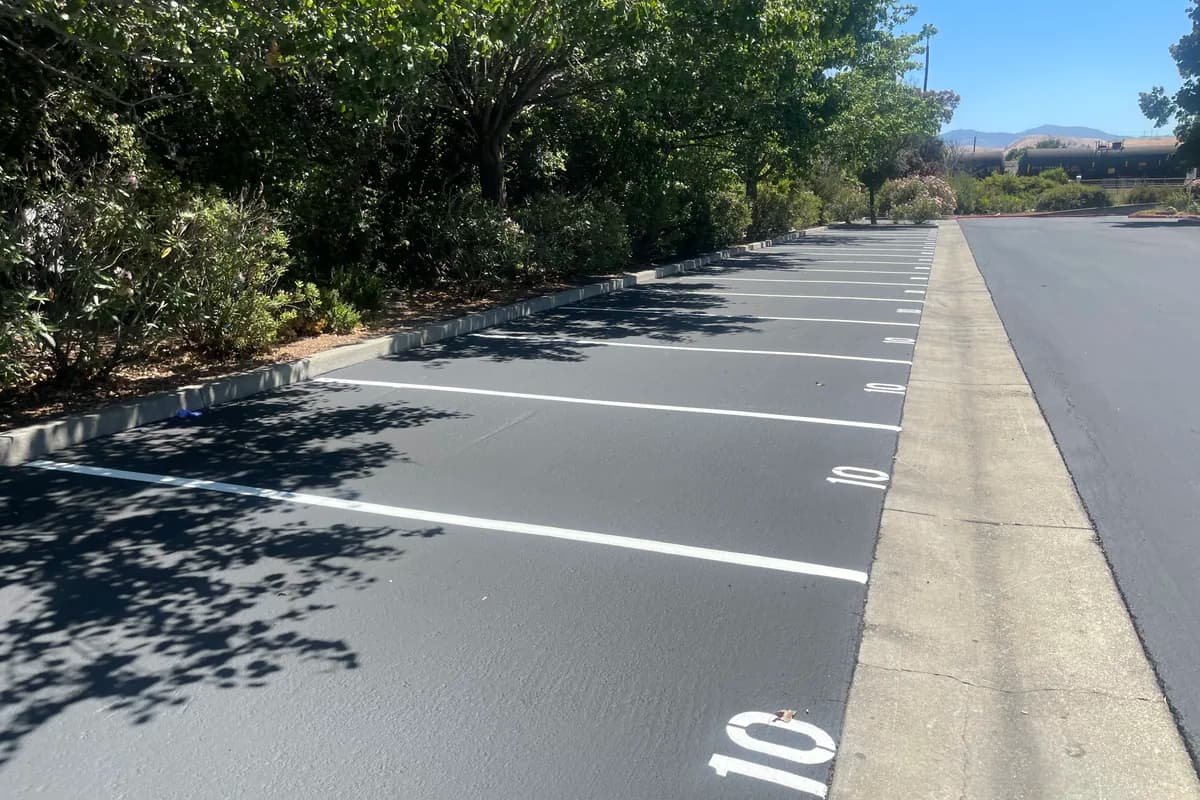
Property-owner guide
Updated July 11, 2026
When Should You Restripe a Parking Lot?
How to tell when a parking lot needs restriping — faded lines, worn ADA markings, sealcoating, layout changes — and how often it is typically needed.
Before you hire: The Pavement Directory does not guarantee contractor performance, pricing, licensing, insurance, or availability. Business information may be submitted by contractors or gathered from public sources and should be independently verified before hiring. Always confirm licensing, insurance, references, scope of work, and written contract terms.
For contractors
Ready to compare California contractors?
Browse listings by city and service, then use what you have read here to check the scope, the credentials, and the timing before you sign.