
Virginia pavement guide
Pavement Conditions in Virginia: Regions, Soils, and Common Problems
Virginia gives you a genuinely useful license class to check, then hands you three different pavement environments to build in.
- 4 regions
- 5 common problems
- 6 local terms
Jump to section
Regional differences
Pavement Conditions by Region in Virginia
Virginia does not have one climate or one soil profile, and pavement that performs well in one part of the state can fail early a few hours away. These are the divisions that matter most when scoping paving, repair, or maintenance work.
Northern Virginia
Arlington · Alexandria · Fairfax · Loudoun · Manassas
Environmental stress
- Frequent freeze-thaw cycling with heavy salt use
- Very high traffic volume and constrained work windows
- Sustained data center and construction truck traffic
Subgrade conditions
- Piedmont clay and silt soils over weathered rock
- Triassic basin soils with shrink-swell potential in parts of the region
- Variable fill on rapidly developed parcels
Common distress
- Alligator cracking where clay subgrade stays wet
- Rutting at construction and equipment access routes
- Concrete scaling from salt on walks and curbs
What it means for the work
- Local stormwater review is more developed here than elsewhere in the state
- Night and weekend phasing is common on occupied commercial properties
- Data center and construction loading is a real design load
Hampton Roads and the Coastal Plain
Virginia Beach · Norfolk · Chesapeake · Newport News · Hampton
Environmental stress
- High water table and tidal influence
- Recurrent coastal flooding, worsened by land subsidence in parts of the region
- Hurricane and nor'easter exposure
- Heavy port and military truck traffic
Subgrade conditions
- Sandy coastal soils with a high water table
- Organic and marsh-adjacent soils in low areas
- Fill over former wetland on many parcels
Common distress
- Base saturation producing alligator cracking
- Flood-related washout and edge undermining
- Rutting at port and base truck routes
What it means for the work
- Chesapeake Bay Preservation Act requirements apply here
- Base drainage design determines how long the work lasts
- Recurrent flooding means the frequency of exposure is rising, not static
Central Virginia and the Piedmont
Richmond · Charlottesville · Lynchburg · Petersburg
Environmental stress
- Four-season climate with real freeze-thaw
- Heavy rainfall on sites with rolling grade
- Distribution and interstate freight traffic
Subgrade conditions
- Red clay residual soils over weathered rock
- Micaceous soils that lose strength when saturated
- Rolling terrain with erosion-prone slopes
Common distress
- Alligator cracking where clay stays saturated
- Erosion at pavement edges on slopes
- Freeze-thaw potholing in late winter
What it means for the work
- Drainage correction usually precedes surface work
- Erosion control on clay slopes is a practical necessity
- Distribution loading calls for a heavier section at truck areas
Shenandoah Valley and western Virginia
Roanoke · Harrisonburg · Winchester · Blacksburg · Bristol
Environmental stress
- Colder winters with deeper frost than the coast
- Steep terrain concentrating runoff
- Agricultural, poultry, and freight truck traffic
Subgrade conditions
- Karst limestone with sinkhole potential across much of the valley
- Residual soils over limestone and shale
- Shallow rock on many hillside parcels
Common distress
- Localized sinkhole-related settlement
- Freeze-thaw potholing
- Erosion and undermining at pavement edges
What it means for the work
- Recurring depressions in karst country warrant geotechnical evaluation
- Concentrated stormwater infiltration can accelerate sinkhole formation
- Crack sealing before winter has more value here than at the coast
Field conditions
Common Pavement Problems in Virginia
Piedmont clay saturation
Alligator cracking concentrated in the low areas of a lot, pavement that flexes underfoot after wet weather, and repairs that fail in the same locations year after year.
Likely causes
- Red clay subgrade holding water rather than draining it
- Grading with no positive fall to an outlet
- Base material with too many fines to drain
When to get it looked at: Repeat failure in the same low areas is a drainage problem. Confirm the base is dry before agreeing to another overlay over it.
Karst sinkhole settlement
A localized depression that deepens over months, sometimes with circular cracking around it, in an otherwise sound Shenandoah Valley or southwestern Virginia lot.
Likely causes
- Dissolution of underlying limestone creating voids
- Soil raveling downward into those voids
- Concentrated stormwater infiltration accelerating the process
When to get it looked at: A depression that keeps growing after being filled is a geotechnical question. Directing stormwater into a karst area can make it worse rather than better.
Coastal flooding and base washout
In Hampton Roads and low-lying coastal areas, pavement edges undermine and sections drop after flood events, sometimes with the surface looking largely intact.
Likely causes
- Floodwater moving through and beneath the pavement structure
- Recurrent tidal flooding keeping the base saturated
- Drainage systems that cannot discharge when tides are high
When to get it looked at: In areas with recurrent flooding, the frequency of exposure is increasing. A repair designed for the flooding you had may not suit the flooding you will get.
Sandy subgrade edge failure
Pavement breaking away along the perimeter of Coastal Plain lots, particularly where vehicles run partly off the edge.
Likely causes
- Sandy soils offering little cohesion or edge support
- No curb, shoulder, or confinement at the pavement edge
- Water washing material out from beneath the edge
Heavy equipment and construction traffic damage
Rutting, shoving, and edge break-up along access routes at data center campuses, military facilities, and industrial sites in northern Virginia and Hampton Roads.
Likely causes
- Sustained heavy equipment and generator delivery traffic
- Access routes built to the same section as the parking areas
- Subgrade losing strength when saturated under that loading
Property types
Common Pavement Projects in Virginia
Data center campuses
Loudoun County and the broader northern Virginia corridor generate sustained heavy equipment, generator, and construction traffic on access routes rarely designed for it.
Military installations and adjacent properties
Hampton Roads and northern Virginia facilities carry heavy equipment loading, often on saturated or sandy subgrade, with their own standards and access requirements.
Port and distribution facilities
Norfolk and Richmond-area freight sites concentrate container and trailer loading on ground with limited bearing capacity.
University and hospital campuses
Continuous access, pedestrian safety on concrete surfaces, and construction windows compressed into academic breaks.
Poultry and agricultural facilities
Shenandoah Valley operations concentrate heavy truck traffic on karst terrain where drainage decisions have subsurface consequences.
Plain English
Pavement Terms You May Encounter in Virginia
| Term | What it means on a Virginia project |
|---|---|
| Superpave (SM, IM, BM designations) | Virginia specifications identify surface, intermediate, and base asphalt mixes by designation. Local suppliers use the same vocabulary, and it is fair to ask which mix a proposal includes. |
| Aggregate base material (21A / 21B) | The dense-graded crushed stone base commonly specified in Virginia. Its compaction and drainage quality usually determine pavement life more than the asphalt above it. |
| Resource Protection Area (RPA) | A protected buffer along water bodies under the Chesapeake Bay Preservation Act in Tidewater localities. Work within an RPA carries additional requirements. |
| Karst | Limestone terrain where dissolution creates subsurface voids. Common across the Shenandoah Valley, and directly relevant to both settlement and where stormwater should not be infiltrated. |
| Geotextile separation fabric | Fabric between subgrade and base keeping clay from pumping into the stone. On wet Piedmont clay it can make a real difference to pavement life. |
| Full-depth reclamation (FDR) | Pulverizing existing asphalt and base together, treating the blend, and repaving over it. Useful on larger lots and private roads where the base has failed. |
State transportation specifications can provide useful regional terminology and material references, but they do not automatically govern private parking-lot or driveway projects unless incorporated into the contract or required by the applicable jurisdiction.
More definitions are in the pavement glossary.
Before you sign
Questions to Ask a Paving Contractor in Virginia
- What class is your DPOR license, and does it cover this project's value?
- Do you hold a Highway / Heavy specialty, and is that the right one for this scope?
- Does this property fall within a Chesapeake Bay Preservation Area, and does that add requirements?
- How will drainage be corrected so the clay subgrade stops staying saturated?
- If we have a recurring depression in the valley, has a karst cause been ruled out?
- Is directing stormwater to infiltration here safe given the underlying geology?
- For our Coastal Plain site, how will the pavement edge be confined or supported?
- Are the access and equipment routes being built to a heavier section than the parking field?
- Who obtains the local land disturbance approval, and how long does that review take?
Virginia pavement condition FAQs
Does the Chesapeake Bay Preservation Act affect parking lot projects?
It can, in the Tidewater localities where it applies. The Act establishes protected areas along water bodies and imposes performance criteria on development within them, so a paving project in Virginia Beach, Norfolk, or another covered locality may face requirements an identical project in the Shenandoah Valley would not. Whether it applies depends on the property's location and its proximity to protected features, which the locality can confirm during design.
What causes recurring depressions in Shenandoah Valley parking lots?
Much of the valley is karst terrain, where dissolution of underlying limestone creates subsurface voids and soil gradually ravels down into them. That produces a localized depression that deepens again after each repair. A depression that keeps returning is a geotechnical question rather than a paving one. It is also a reason to be careful about directing concentrated stormwater into infiltration practices in karst areas, since that can accelerate the process.
How does recurrent flooding in Hampton Roads affect pavement?
Repeated tidal and storm flooding keeps the pavement base saturated and washes material out from beneath edges, and drainage systems in low-lying areas cannot discharge when tides are high. The practical implication is that the exposure is increasing rather than static — a repair designed around the flooding a property experienced historically may not suit what it will experience. For coastal properties, base drainage and edge protection deserve more weight than surface condition.
Why does the edge of my Coastal Plain lot keep breaking away?
Sandy subgrade provides very little cohesion, so a pavement edge without a curb, shoulder, or other confinement has nothing holding it. Vehicles running partly off the edge break it down, and water washes material out from beneath. Repeatedly patching the edge does not change the condition that caused it — the edge usually needs confinement, a proper shoulder, or a widened section for the traffic that actually uses it.
Does data center construction traffic damage pavement?
It can, substantially. Sustained heavy equipment deliveries, generator transport, and construction traffic impose loads well beyond what a standard commercial section carries, and the damage concentrates along access routes and turning areas rather than across the whole property. On campuses where construction is ongoing, building the access routes to a heavier section than the parking areas is generally more economical than repeatedly repairing them.
Is pavement maintenance different in western Virginia?
Yes. The Shenandoah Valley and southwestern Virginia see colder winters, deeper frost, and real freeze-thaw cycling, which makes fall crack sealing meaningful maintenance there. Hampton Roads rarely freezes and is instead dealing with a high water table, tidal drainage constraints, and flooding. Central Virginia sits between the two with clay drainage as the dominant concern. One maintenance plan does not fit all three.
Related reading for Virginia property owners
Property-owner guide
Updated July 12, 2026
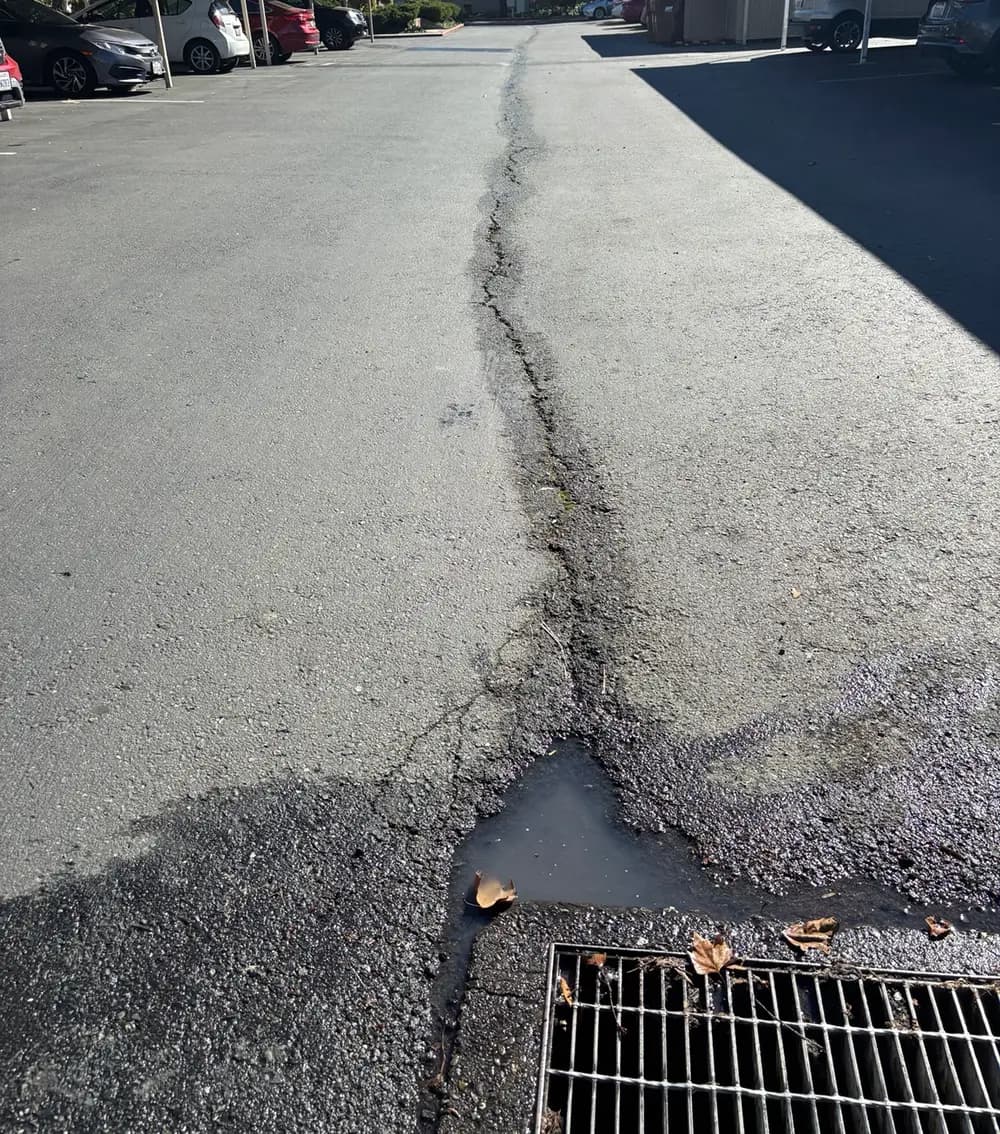
How Drainage Affects Pavement Life
Why drainage is the biggest factor in how long pavement lasts, how water damages asphalt from the base up, and why fixing it protects every repair.
Property-owner guide
Updated July 6, 2026
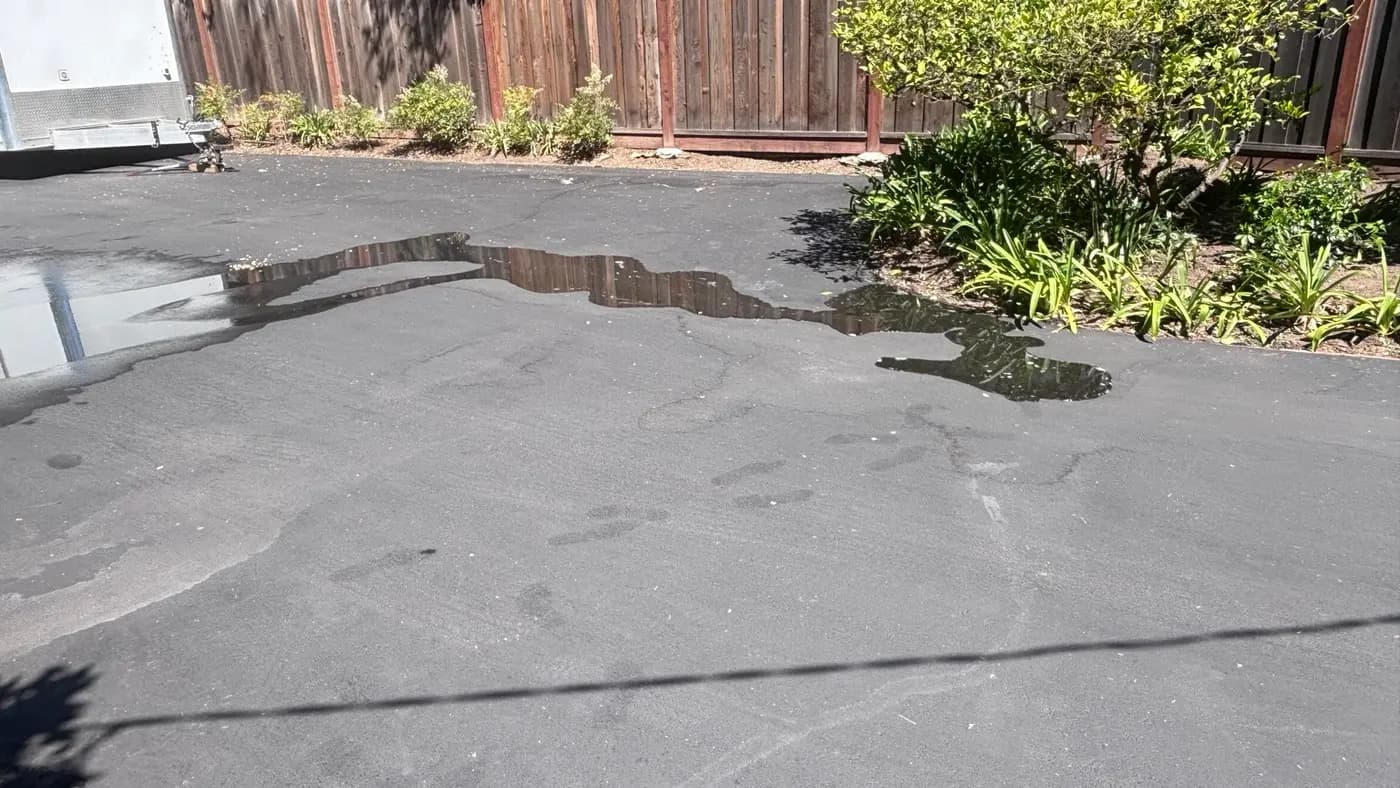
Parking Lot Drainage Problems: What Property Owners Should Know
Common causes of parking lot drainage problems, why they accelerate pavement damage, and what property owners should ask contractors before a fix.
Property-owner guide
Updated July 6, 2026
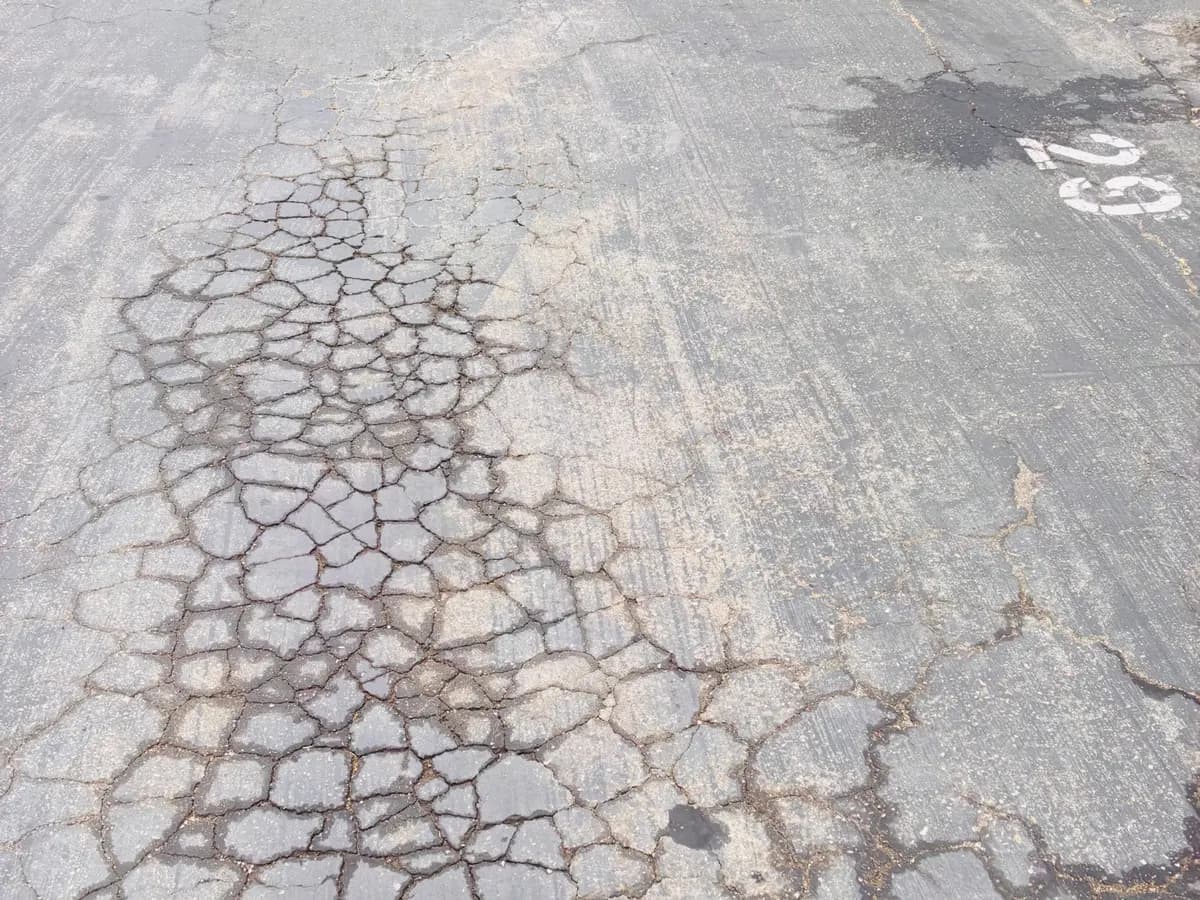
What Causes Alligator Cracking in Asphalt?
What alligator cracking is, what causes it, whether it can be patched or needs full-depth repair, and why it usually points to a failing base.
Property-owner guide
Updated July 6, 2026
How to Choose an Asphalt Paving Contractor
How to choose an asphalt paving contractor: project fit, relevant experience, written scope, references, insurance, and pavement qualifications.
Property-owner guide
Updated July 12, 2026
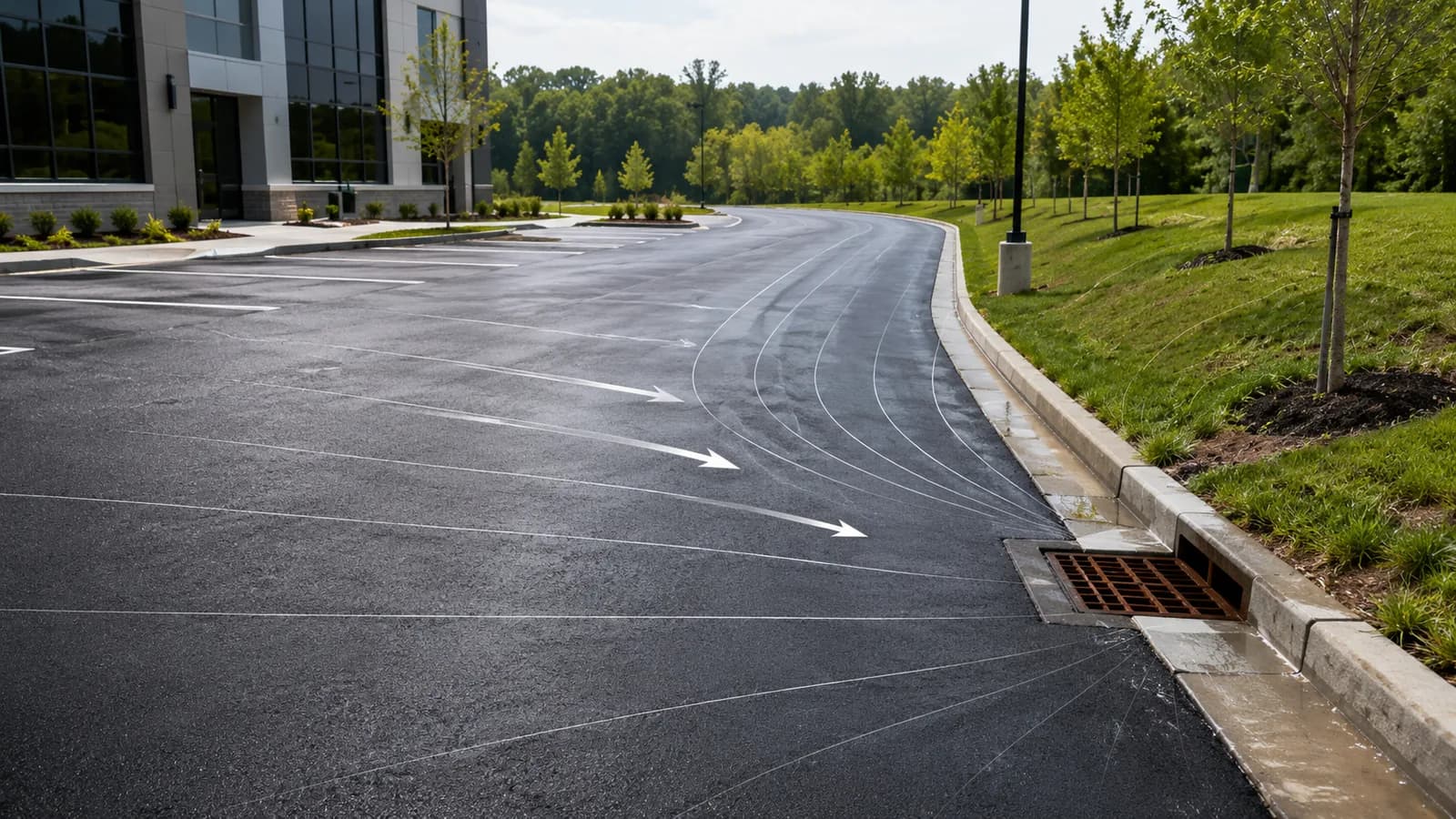
Grading and Slope Basics for Pavement
Grading and slope basics for pavement: what positive drainage means, why slope matters, common grading problems, and where engineering comes in.
Before you hire: The Pavement Directory does not guarantee contractor performance, pricing, licensing, insurance, or availability. Business information may be submitted by contractors or gathered from public sources and should be independently verified before hiring. Always confirm licensing, insurance, references, scope of work, and written contract terms.
For contractors
Ready to compare Virginia contractors?
Browse listings by city and service, then use what you have read here to check the scope, the credentials, and the timing before you sign.