
Tennessee pavement guide
Pavement Conditions in Tennessee: Regions, Soils, and Common Problems
Tennessee's pavement problems tend to start below the surface — dissolving limestone in the middle of the state, erodible silt in the west.
- 5 regions
- 5 common problems
- 6 local terms
Jump to section
Regional differences
Pavement Conditions by Region in Tennessee
Tennessee does not have one climate or one soil profile, and pavement that performs well in one part of the state can fail early a few hours away. These are the divisions that matter most when scoping paving, repair, or maintenance work.
Mississippi Valley and West Tennessee Plain
Memphis · Jackson · Dyersburg · Union City
Environmental stress
- Hot, humid summers with frequent heavy thunderstorms
- Occasional damaging ice storms rather than sustained deep freeze
- Very high freight and distribution traffic around Memphis
Subgrade conditions
- Deep loess silts that stand up well dry and soften when wet
- Alluvial soils near the Mississippi and its tributaries
- Perched water and slow subsurface drainage in flat areas
Common distress
- Alligator cracking concentrated where water sits after storms
- Rutting at dock aprons and truck staging areas
- Erosion and undercutting at unprotected pavement edges
What it means for the work
- Getting water off and away is worth more here than added surface thickness
- Silt subgrade is easy to damage during construction if it is worked wet
- Truck movement patterns should drive where the heavy section goes
Western Highland Rim and Nashville Basin
Nashville · Murfreesboro · Franklin · Columbia · Lebanon
Environmental stress
- Frequent wet-dry cycling through the winter and spring
- Rapid suburban growth loading older private streets
- Periodic flash flooding in creek corridors
Subgrade conditions
- Shallow limestone bedrock with highly variable depth across a site
- Karst features including solution channels and old sinkholes
- Residual clay filling voids between rock pinnacles
Common distress
- Isolated circular depressions with little surrounding cracking
- Differential settlement where a section transitions from rock to soil
- Cracking that follows a buried rock ledge rather than a traffic path
What it means for the work
- Rock excavation quantity is a common source of change orders here
- Concentrating runoff into an infiltration feature over karst deserves engineering input
- Recurring depressions warrant a subsurface investigation before another repair
Cumberland Plateau
Crossville · Cookeville · Monteagle · Jamestown
Environmental stress
- Colder winters and more freeze-thaw cycles than the rest of the state
- Higher rainfall and persistent fog and damp
- Steep grades on and off the plateau escarpment
Subgrade conditions
- Sandstone and shale near the surface
- Thin, acidic soils over rock
- Old surface-mined and reclaimed ground in some areas
Common distress
- Winter potholing from repeated freeze-thaw
- Edge break-up on sloped entrance drives
- Surface raveling on exposed, shaded pavement that stays damp
What it means for the work
- The practical working window is shorter here than in Nashville or Memphis
- Slope stability and runoff routing matter on escarpment sites
- Crack sealing before winter earns its cost at this elevation
Ridge and Valley (East Tennessee)
Knoxville · Chattanooga · Kingsport · Johnson City · Cleveland
Environmental stress
- Moderate freeze-thaw with frequent crossings of freezing
- Heavy interstate truck traffic through Knoxville and Chattanooga
- Concentrated runoff coming off steep ridge slopes
Subgrade conditions
- Alternating limestone, dolomite, and shale within a short distance
- Residual red clay in valley floors
- Locally variable rock depth, sometimes within one parking field
Common distress
- Cracking along the line where subgrade material changes
- Settlement over utility trenches cut in mixed rock and soil
- Rutting on truck routes and distribution approaches
What it means for the work
- Assume subgrade variability across the site rather than one condition
- Proof-rolling before paving catches soft spots that a visual walk misses
- Transitions between cut and fill deserve a detail, not a default section
Blue Ridge and the eastern mountains
Gatlinburg · Sevierville · Elizabethton · Erwin
Environmental stress
- The state's coldest winters and heaviest snowfall
- Very high rainfall on windward slopes
- Intense seasonal tourist traffic concentrated into a few months
Subgrade conditions
- Rocky colluvium and shallow bedrock on slopes
- Steep sites with limited flat area for staging
- Saturated toe-of-slope soils below cut faces
Common distress
- Slope movement pulling pavement apart at the downhill edge
- Winter surface damage from plowing and abrasives
- Washout where uncontrolled runoff crosses the lot
What it means for the work
- Retaining and drainage work often exceeds the paving cost on steep sites
- Scheduling around peak visitor season is a real constraint here
- Snow storage location should be settled before the lot is laid out
Field conditions
Common Pavement Problems in Tennessee
Karst depressions in Middle Tennessee
A roughly circular low spot appears in an otherwise sound lot and keeps deepening after each repair. There is often little or no cracking radiating out from it, which is what separates it from a normal base failure.
Likely causes
- Soil migrating downward into solution channels in the limestone below
- Concentrated runoff routed into a single point over karst ground
- A leaking utility line washing fines into an existing void
- Old, previously filled features reactivating as water finds them
When to get it looked at: A depression that returns after being filled once should be investigated below the pavement before it is filled again. Repeated asphalt patches over a growing void hide the problem rather than fixing it.
Saturated silt subgrade in West Tennessee
Broad areas of interconnected cracking that flex underfoot or under a slow-moving vehicle, usually in the parts of a Memphis-area lot that drain last after a storm.
Likely causes
- Loess silt losing bearing strength when it takes on water
- Flat grading with no clear outlet for surface water
- Base material contaminated with fines pumped up from below
- Truck loading applied while the subgrade is still wet
When to get it looked at: If the failed areas match where water stands, an overlay will fail the same way. Photograph the lot during a storm and bring those photos to the bid walk.
Late-winter pothole formation
Potholes that appear over a few weeks in February and March along cracks that were narrow and unremarkable in the fall.
Likely causes
- Water entering unsealed cracks and freezing repeatedly
- Moisture held in the base with nowhere to drain
- Traffic pumping saturated fines out through the crack
When to get it looked at: Potholes clustered along a single crack line usually mean that crack has been open and taking water for more than one season.
Freight and distribution loading damage
Rutting, shoving, and cracking concentrated at dock aprons, trailer parking, and the first hundred feet inside an entrance, while the car parking field nearby stays sound.
Likely causes
- Axle loads well above what the section was designed to carry
- Trailer landing gear point-loading asphalt in drop lots
- Slow and stopped traffic in the hottest part of the summer
- Entrance aprons built to the same section as the parking field
When to get it looked at: Damage that stops abruptly where truck movements stop is a section question. Ask whether concrete is warranted at dock aprons and trailer landing areas.
Slope-edge erosion and undermining
The outer edge of pavement on a sloped East Tennessee or plateau site drops, cracks parallel to the edge, and eventually breaks away, often with soil visibly washed out beneath it.
Likely causes
- Runoff discharging over an unprotected pavement edge
- No curb, shoulder, or armored outfall at the low side
- Fill placed on a slope without adequate compaction or benching
Property types
Common Pavement Projects in Tennessee
Distribution and logistics facilities
Memphis-area air and ground freight sites and the warehouse corridors along I-40 and I-24 concentrate trailer traffic in ways that break aprons and drop lots long before the parking field shows wear.
Healthcare and hospital campuses
Nashville's medical properties combine ambulance routes, structured parking approaches, and accessible access aisles that cannot be closed, so phasing and ADA continuity drive the schedule as much as the pavement condition does.
Tourism and hospitality properties
Sevier County and Chattanooga visitor properties see intense seasonal loading and near-zero tolerance for closures during peak months, which pushes major work into a narrow shoulder-season window.
Automotive and advanced manufacturing plants
Plant yards in Middle and East Tennessee carry component deliveries and finished-vehicle traffic on schedules that make unplanned pavement failures expensive well beyond the repair cost.
Suburban retail and church campuses
Large lots on the Nashville Basin's shallow limestone often develop isolated depressions that owners read as poor paving when the cause is subsurface, so diagnosis matters before a resurfacing budget is set.
Plain English
Pavement Terms You May Encounter in Tennessee
| Term | What it means on a Tennessee project |
|---|---|
| Mineral aggregate base (Grading D) | The compacted crushed stone layer placed beneath asphalt. Tennessee proposals often reference the base by grading designation and thickness; that layer, and how well it drains, usually determines pavement life more than the surface course does. |
| Asphaltic concrete surface mix | The plant-produced wearing course. Tennessee suppliers commonly describe mixes by a letter or number designation tied to the state specification, so ask which one is being priced and why it suits your traffic. |
| Proof rolling | Running a loaded truck over the prepared subgrade and watching for movement before any base or asphalt goes down. On Tennessee's variable subgrade it is one of the cheapest ways to find soft areas before they are paved over. |
| Undercut and backfill | Removing unsuitable subgrade found during construction and replacing it with stone. On sites with karst pinnacles or wet silt, this is a legitimate and sometimes unavoidable extra — ask how it will be measured and priced before it happens. |
| Sinkhole remediation | Engineered treatment of a karst feature, which may involve excavating to rock, placing a graded filter, and controlling drainage away from the throat. It is a distinctly different scope from filling a low spot with asphalt. |
| Full-depth reclamation | Pulverizing the existing asphalt together with the base, treating or reshaping the blend, and paving over it. It appears on larger Tennessee lots and private roads where the base has failed and hauling everything off is impractical. |
State transportation specifications can provide useful regional terminology and material references, but they do not automatically govern private parking-lot or driveway projects unless incorporated into the contract or required by the applicable jurisdiction.
More definitions are in the pavement glossary.
Before you sign
Questions to Ask a Paving Contractor in Tennessee
- What classification and monetary limit are on your Tennessee contractor license, and do they cover this project's scope and value?
- Has anyone evaluated whether this site sits on karst, and how would that change the repair approach?
- Where does water currently leave this lot, and does your scope change that?
- Is any undercut anticipated, and how will additional undercut be measured and priced if you find soft subgrade?
- Will the subgrade be proof-rolled before base and asphalt go down, and can I be present when it is?
- Is the dock apron or truck turning area getting a heavier section than the parking field, and why or why not?
- Does the city or county where this property sits require a permit or its own contractor registration for this work?
- For the depression that keeps returning, what do you think is happening below the pavement?
- What surface and night temperatures do you need for the product you are proposing, and what happens to the schedule if we miss that window?
Tennessee pavement condition FAQs
Why does a low spot in my Middle Tennessee parking lot keep coming back?
Much of the Nashville Basin and Highland Rim is karst — limestone that water has dissolved into channels and voids over a very long time. Soil above those channels can migrate downward, and the pavement settles into the space left behind. The telltale sign is a roughly circular depression with little cracking radiating from it, unlike a base failure, which usually cracks in an interconnected pattern first. Filling it with asphalt adds weight over a void that is still growing. A depression that returns after one repair should be investigated below the surface.
Why do Memphis-area lots fail in the same spots every few years?
West Tennessee's subgrade is largely loess — fine wind-deposited silt that carries load well when dry and loses strength quickly once it is saturated. Where a lot drains slowly, that silt stays wet, the base loses support, and traffic works the pavement until it cracks in an interconnected pattern. Resurfacing over a wet base repeats the failure on the same footprint. The durable fix is usually to correct grade and outlet capacity first and then rebuild the failed areas.
How bad is freeze-thaw damage in Tennessee compared with the northern states?
It is milder, but it is not negligible. Most of Tennessee crosses freezing repeatedly through the winter rather than staying frozen, and repeated crossings are what drives water into cracks and expands it. That produces the familiar late-winter pothole crop along crack lines that looked minor in October. The practical implication is that crack sealing before winter carries real value here, and it carries more of it on the Cumberland Plateau and in the eastern mountains than in Memphis.
Should a Tennessee truck dock be asphalt or concrete?
It depends on the loading, but dock aprons and trailer parking are the areas where the case for concrete is strongest. Trailers set down on landing gear concentrate load onto a very small footprint, and stationary trailers sit in place through the hottest part of a Tennessee summer, which is when asphalt is least able to resist it. Many owners here use concrete at aprons and landing areas and asphalt for the drive aisles and car parking, which is a reasonable split rather than a compromise.
What does 'undercut' mean on a Tennessee paving proposal?
Undercut means removing subgrade that turns out to be unsuitable once it is exposed and replacing it with compacted stone. It comes up often in Tennessee because rock depth and soil condition vary so much across a single site. It is a legitimate line item, but it is also a common source of disputes, so the important question is not whether it might happen — it is how it will be measured, at what unit price, and who decides that it is necessary.
Related reading for Tennessee property owners
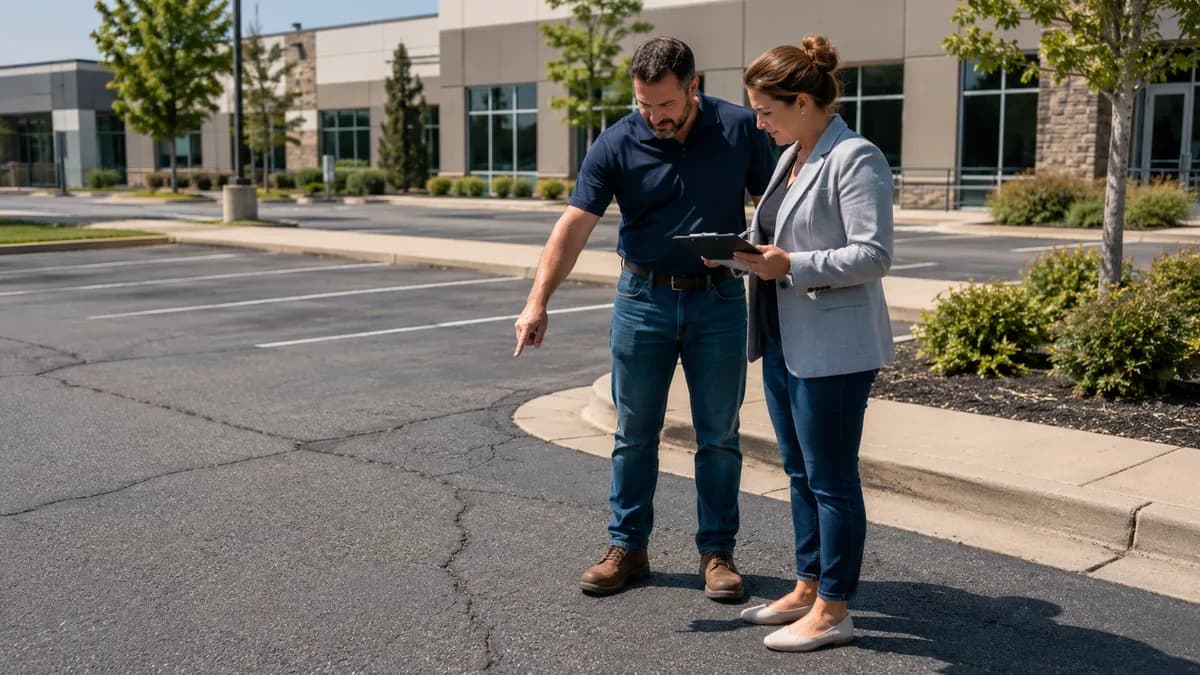
Property-owner guide
Updated July 6, 2026
How to Choose an Asphalt Paving Contractor
How to choose an asphalt paving contractor: project fit, relevant experience, written scope, references, insurance, and pavement qualifications.
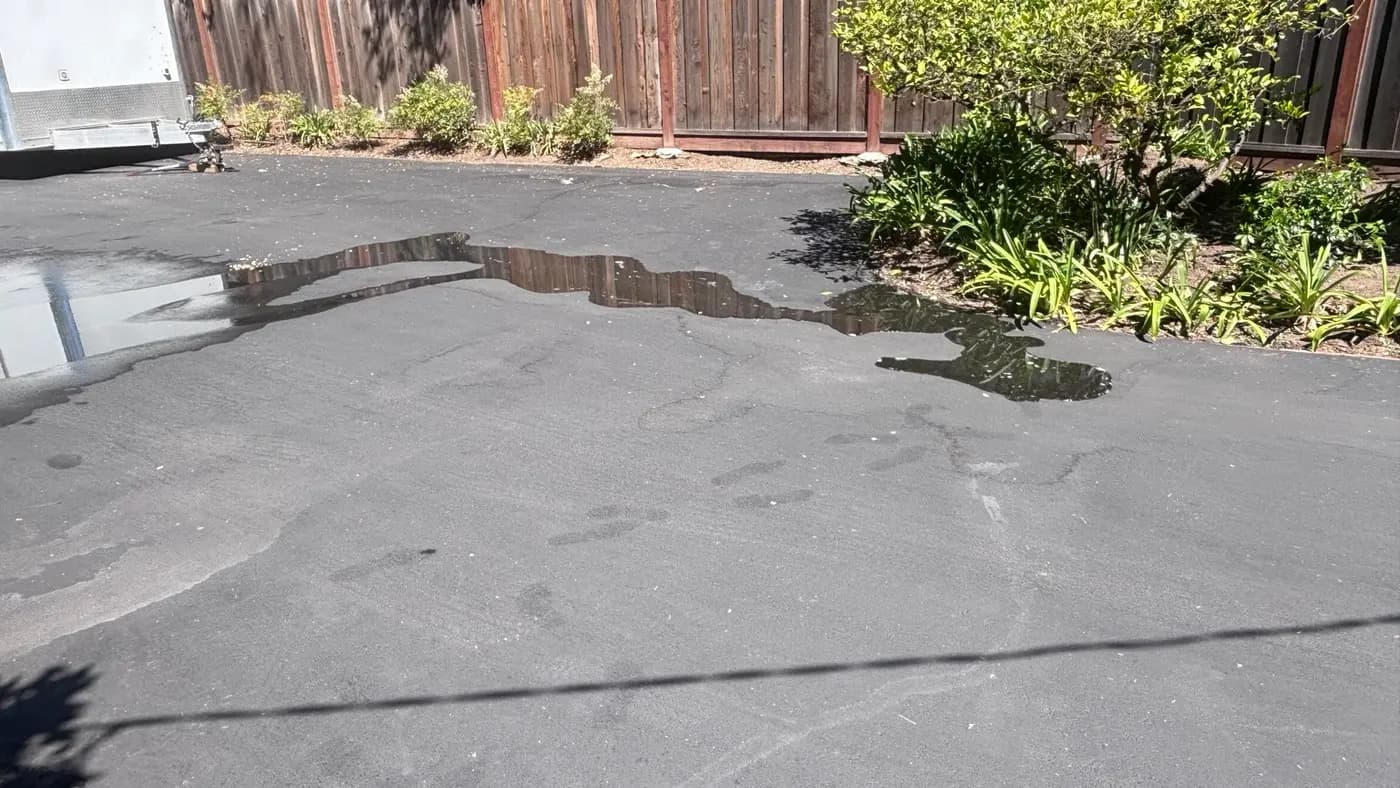
Property-owner guide
Updated July 6, 2026
Parking Lot Drainage Problems: What Property Owners Should Know
Common causes of parking lot drainage problems, why they accelerate pavement damage, and what property owners should ask contractors before a fix.
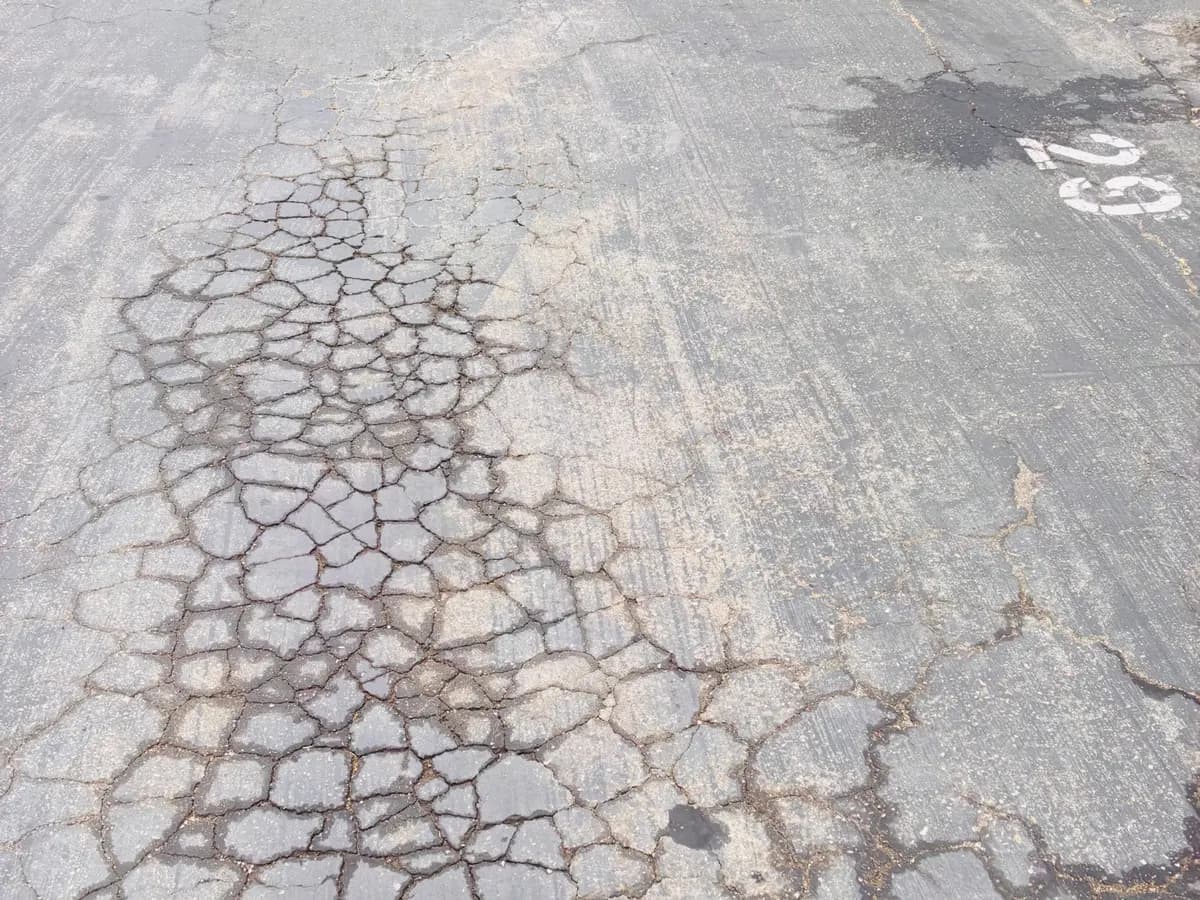
Property-owner guide
Updated July 6, 2026
What Causes Alligator Cracking in Asphalt?
What alligator cracking is, what causes it, whether it can be patched or needs full-depth repair, and why it usually points to a failing base.
Property-owner guide
Updated July 11, 2026
When Should You Seal Asphalt Cracks?
When to seal cracks in asphalt — which cracks to seal, the best time of year, why sealing early matters, and how crack sealing fits a maintenance schedule.
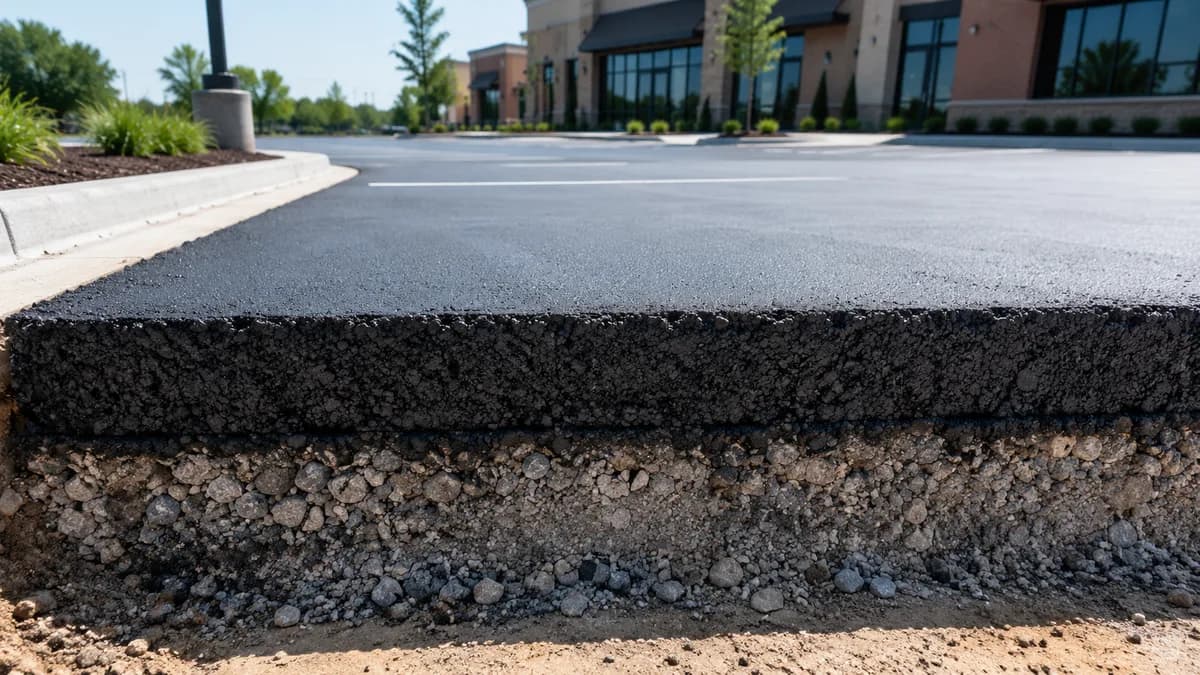
Property-owner guide
Updated July 6, 2026
Asphalt Paving Thickness for Parking Lots
Typical asphalt paving thickness for parking lots: benchmarks for stalls, drive lanes, and truck areas, plus how base and soil change the answer.
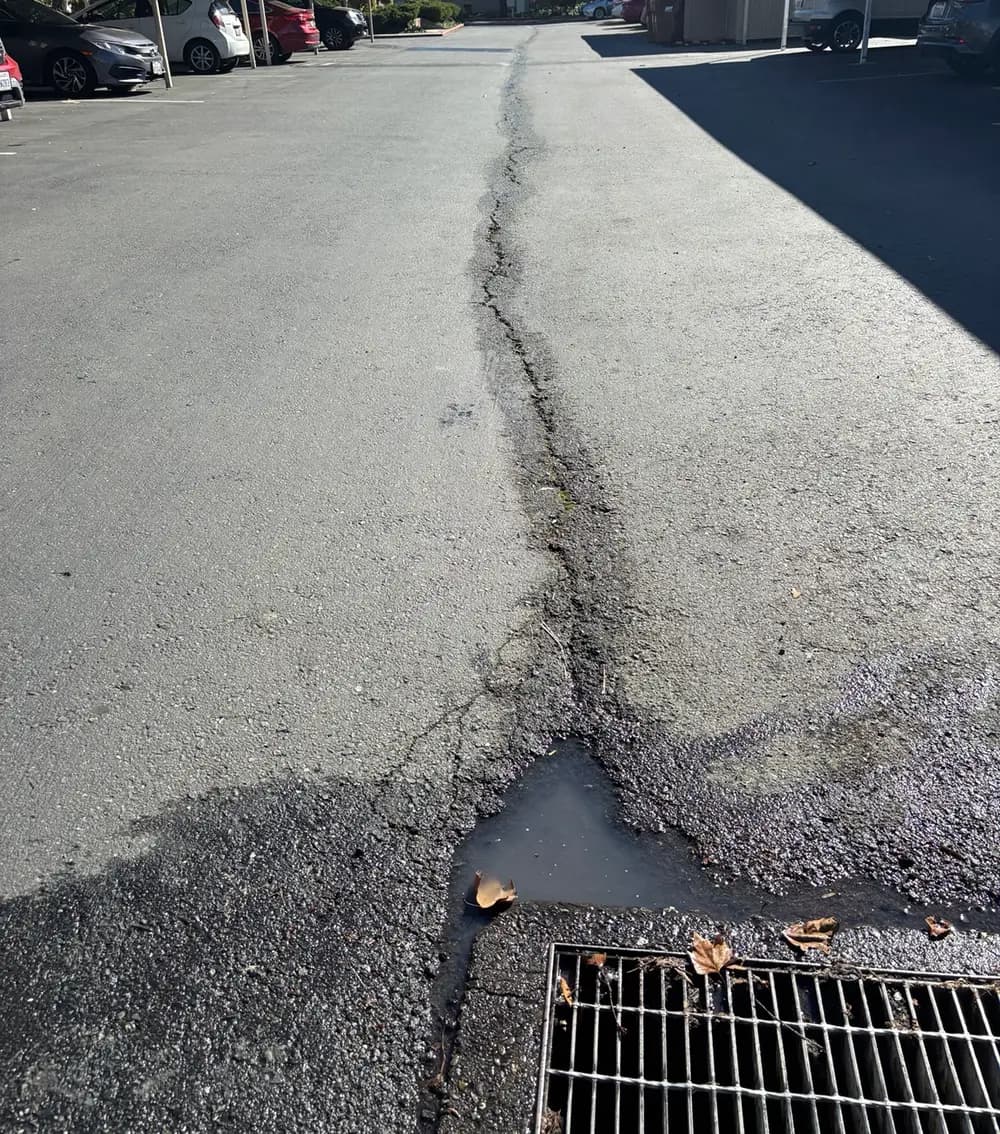
Property-owner guide
Updated July 12, 2026
How Drainage Affects Pavement Life
Why drainage is the biggest factor in how long pavement lasts, how water damages asphalt from the base up, and why fixing it protects every repair.
Before you hire: The Pavement Directory does not guarantee contractor performance, pricing, licensing, insurance, or availability. Business information may be submitted by contractors or gathered from public sources and should be independently verified before hiring. Always confirm licensing, insurance, references, scope of work, and written contract terms.
For contractors
Ready to compare Tennessee contractors?
Browse listings by city and service, then use what you have read here to check the scope, the credentials, and the timing before you sign.