
Oregon pavement guide
When to Pave, Sealcoat, and Repair in Oregon
A season-by-season calendar for Oregon: the work that fits each window, what tends to delay it, and what to inspect for before you book a contractor.
- 4 planning windows
- Inspection priorities
- Regional exceptions
Timing
Paving and Maintenance Calendar for Oregon
Treat this as a planning aid, not a rule. Whether a given treatment can actually be placed on a given day depends on product requirements, surface and nighttime temperatures, the rain forecast, humidity, plant availability, the project specification, and the contractor’s means and methods.
Wet season
Work often suited to this window
- Assessment, condition surveys, and planning for the construction season
- Emergency repairs and safety patching
- Drainage cleaning, inlet clearing, and vegetation management
Scheduling risks
- Sustained rain keeps subgrade too wet for structural work west of the Cascades
- Surface treatments need dry conditions the season rarely provides
- Eastern Oregon adds frozen ground to the same wet-ground problem
Inspect for: Walk the property during and just after heavy rain and map every place water stands or crosses the pavement — that map is far more useful than a dry-day inspection.
Regional exception: Southern and central Oregon often see workable dry stretches in this period that the coast and the Willamette Valley do not.
Spring
Work often suited to this window
- Structural repairs as ground begins to dry out
- Paving and overlays once conditions allow
- Drainage corrections identified during the wet season
Scheduling risks
- Subgrade is often still too wet for earthwork well into spring
- The season's bookings land at once and lead times stretch
- A wet spring can compress the whole construction year
Inspect for: Separate cracks that only need sealing from areas that flex under load; the second group needs base repair rather than an overlay.
Dry season
Work often suited to this window
- Paving, reconstruction, and full-depth repair
- Sealcoating and surface treatments
- Striping, signage, and accessible route work
Scheduling risks
- This is the only reliable window in much of the state, so it books out early
- Wildfire smoke and heat can affect crew scheduling in some summers
- Central Oregon nights can cool sharply even in midsummer at elevation
Inspect for: Inspect drive aisles and loading areas during the warmest hours for rutting and shoving that damp-weather inspections will miss.
Fall transition
Work often suited to this window
- Crack sealing before the wet season begins
- Finishing construction-season work as conditions allow
- Clearing inlets, swales, and detention facilities before sustained rain
Scheduling risks
- The first extended rain can end the season abruptly west of the Cascades
- Whether a day works depends on the product's requirements, surface and night temperatures, humidity, and the forecast — not the calendar
- Disturbed ground left unstabilized going into the wet season is a real erosion exposure
Inspect for: Confirm cracks are sealed, inlets are clear, and any disturbed ground is stabilized before the rain sets in for the season.
Oregon paving season FAQs
Why is the paving season so short in western Oregon?
Because it is bounded by rain rather than by cold. Most asphalt work needs a dry surface and dry subgrade, and the Willamette Valley and coast spend a large part of the year saturated. Temperature is rarely the binding constraint west of the Cascades; consecutive dry days are. That means the reliable window books out early, a wet spring can compress the whole construction year, and the first sustained fall rain can end the season faster than any temperature threshold would.
When can paving actually be done in Oregon?
In most of the state the reliable window runs through the drier months, and it is longer in southern and central Oregon than on the coast. But there is no fixed date at which paving stops. The controlling factors on any given day are the specific product's requirements, the surface and overnight temperatures, humidity, the rain forecast, plant availability, and the specification. A dry stretch in late October can work; a wet week in June may not.
Timing guides that apply in every state
Property-owner guide
Updated July 6, 2026
When Is Sealcoating Worth It?
When sealcoating provides real value as preventive asphalt maintenance, and the pavement conditions where it makes the most sense.
Property-owner guide
Updated July 11, 2026
When Should You Seal Asphalt Cracks?
When to seal cracks in asphalt — which cracks to seal, the best time of year, why sealing early matters, and how crack sealing fits a maintenance schedule.
Property-owner guide
Updated July 11, 2026
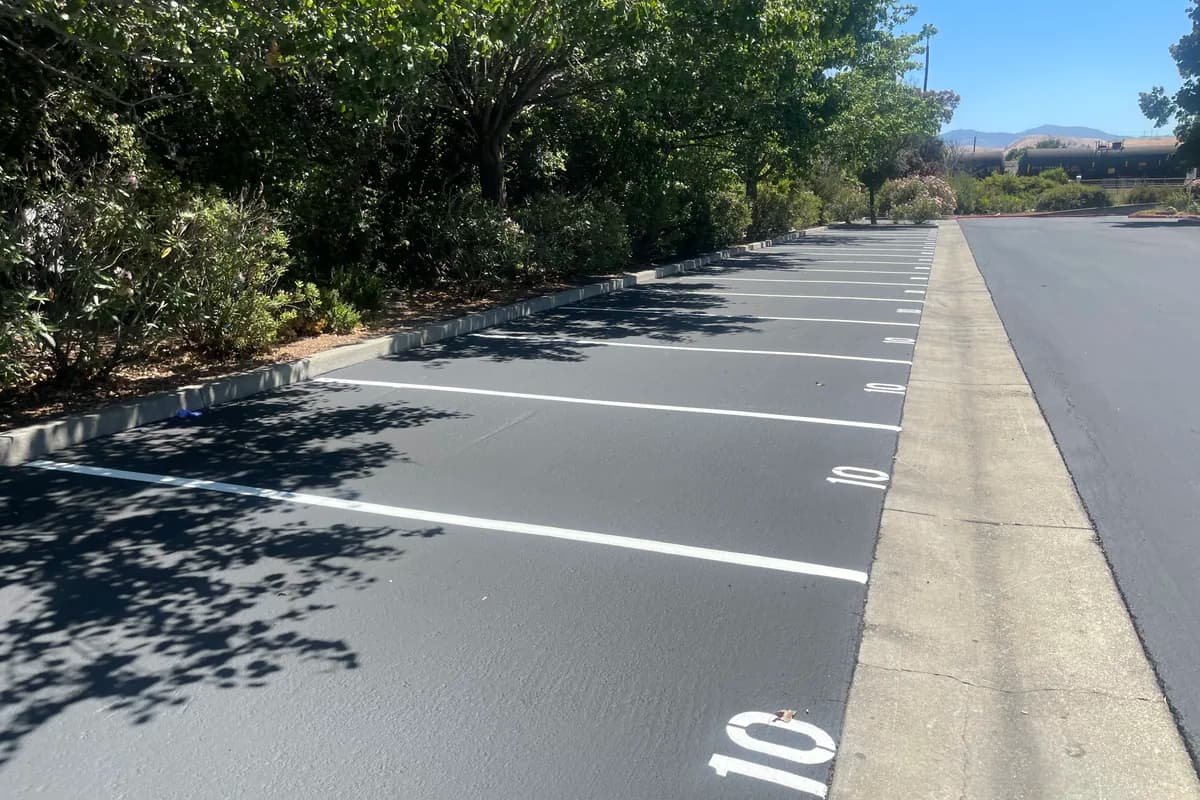
When Should You Restripe a Parking Lot?
How to tell when a parking lot needs restriping — faded lines, worn ADA markings, sealcoating, layout changes — and how often it is typically needed.
Before you hire: The Pavement Directory does not guarantee contractor performance, pricing, licensing, insurance, or availability. Business information may be submitted by contractors or gathered from public sources and should be independently verified before hiring. Always confirm licensing, insurance, references, scope of work, and written contract terms.
For contractors
Ready to compare Oregon contractors?
Browse listings by city and service, then use what you have read here to check the scope, the credentials, and the timing before you sign.