
Mississippi pavement guide
Pavement Conditions in Mississippi: Regions, Soils, and Common Problems
Mississippi's most consequential pavement variable is the soil — expansive Yazoo Clay near Jackson, soft alluvium in the Delta, and erodible loess on the bluffs.
- 5 regions
- 5 common problems
- 6 local terms
Jump to section
Regional differences
Pavement Conditions by Region in Mississippi
Mississippi does not have one climate or one soil profile, and pavement that performs well in one part of the state can fail early a few hours away. These are the divisions that matter most when scoping paving, repair, or maintenance work.
Jackson Prairie and the central belt
Jackson · Ridgeland · Madison · Brandon · Canton · Meridian
Environmental stress
- Wet-dry cycling between heavy rain and dry late summers
- Hot, humid summers with high pavement surface temperatures
- Growing suburban traffic on older commercial lots
Subgrade conditions
- Yazoo Clay and related highly expansive formations
- Very high shrink-swell potential with seasonal moisture change
- Weathered clay zones of varying depth over the parent formation
Common distress
- Long, wandering cracks that reopen after every repair
- Seasonal heaving and sagging that shifts with soil moisture
- Curb and gutter separation from the pavement edge
What it means for the work
- Moisture control around and beneath the pavement matters more than surface thickness
- Repairs made in a dry September can look wrong after a wet winter
- Flexible crack treatments outperform rigid patches over moving clay
Mississippi Delta
Greenville · Cleveland · Clarksdale · Greenwood · Indianola
Environmental stress
- Mild winters with frequent saturation rather than freezing
- Long, hot, humid summers
- Very heavy agricultural and grain truck traffic in season
Subgrade conditions
- Deep, soft alluvial silts and clays with limited bearing capacity
- High water table and slow subsurface drainage
- Almost no natural fall across many parcels
Common distress
- Broad settlement rather than isolated failures
- Base saturation producing interconnected cracking
- Ponding across flat areas with no viable outlet
What it means for the work
- Positive drainage must be designed, not assumed, on ground this flat
- Subgrade improvement is often the deciding cost item, not the asphalt
- Harvest loading should shape the section at agricultural facilities
Loess bluffs
Vicksburg · Natchez · Port Gibson · Yazoo City
Environmental stress
- Heavy rainfall on very steep, erodible bluff faces
- Wet-dry cycling that undermines slope stability
- River flooding at the base of the bluffs
Subgrade conditions
- Deep wind-deposited loess that stands vertical when dry
- Steep slopes prone to movement when saturated
- Colluvium and slope debris at the base of bluff faces
Common distress
- Rapid gullying where concentrated runoff reaches bare soil
- Slope movement pulling pavement apart at a downhill edge
- Undermining and edge collapse at bluff-top sites
What it means for the work
- Energy dissipation at every discharge point is essential, not optional
- Slope stability work frequently exceeds the paving cost here
- Disturbed ground left unstabilized can move dramatically in one storm
North central hills and the Pontotoc Ridge
Tupelo · Oxford · Starkville · Columbus · Corinth
Environmental stress
- Freeze-thaw crossings in the northern counties
- Heavy rainfall on rolling terrain
- Manufacturing and furniture industry truck traffic
Subgrade conditions
- Sandy and clayey upland soils with variable behavior
- Locally expansive clays in some formations
- Rolling terrain with concentrated runoff paths
Common distress
- Erosion at outfalls and unprotected pavement edges
- Alligator cracking in slow-draining low areas
- Winter potholing along unsealed crack lines in the north
What it means for the work
- Runoff on rolling ground needs a designed and armored path
- Crack sealing before winter has more value here than on the coast
- Subgrade behavior varies enough that testing is worth its cost
Piney Woods and the Gulf Coast
Gulfport · Biloxi · Hattiesburg · Pascagoula · Laurel
Environmental stress
- Hurricane rainfall, storm surge, and prolonged saturation
- Very high humidity slowing curing and drying
- Heavy port, shipbuilding, and timber truck traffic
Subgrade conditions
- Sandy coastal soils with limited lateral support
- Soft organic soils in low-lying and marsh-edge areas
- High water table near the coast
Common distress
- Base washout and edge undermining after major storms
- Edge break-up where pavement is unconfined on sand
- Settlement on filled or marsh-edge ground
What it means for the work
- Design for the storm that damages the property, not the average year
- Edge confinement matters more here than base drainage does
- Hurricane season affects scheduling more than temperature ever does
Field conditions
Common Pavement Problems in Mississippi
Yazoo Clay movement
Cracks that follow no traffic pattern, open wide through a dry late summer, and partially close after a wet winter. Pavement panels tilt, curb lines pull away, and the same repair fails in the same place every few years.
Likely causes
- Highly expansive clay formations beneath the pavement
- Moisture change from irrigation, downspouts, leaking lines, or drought
- Mature trees drawing moisture unevenly from beneath the lot
- Subgrade placed without moisture conditioning or treatment
When to get it looked at: If the same crack has been patched twice and reopened twice, stop patching and have the subgrade evaluated. Surface repairs do not stop soil movement, and no contractor can make them do so.
Soft subgrade settlement in the Delta
Broad, gradual settlement across large portions of a lot rather than localized failures, often with pavement that feels soft or flexes under a slow-moving truck.
Likely causes
- Deep, soft alluvial soils with limited bearing capacity
- High groundwater keeping the subgrade near saturation
- Flat grading with no viable outlet for surface water
- Heavy seasonal loading applied to a light-duty section
When to get it looked at: Broad settlement rather than pothole-and-crack failure points to bearing capacity. Adding asphalt over ground that cannot support it is an expensive route back to the same condition.
Loess erosion and gullying
Rapid gullying, undercutting, and edge loss where runoff leaves a lot onto bare bluff-country soil, sometimes progressing dramatically after a single heavy storm.
Likely causes
- Concentrated discharge onto erodible loess with no energy dissipation
- No armored outfall, curb, or stabilized shoulder at the discharge point
- Very steep slopes below the pavement edge
- Disturbed ground left unstabilized after construction
When to get it looked at: If a gully has formed at an outfall, the pipe is not the problem — the discharge condition is. Repairing the gully without dissipating the energy repeats it in the next storm.
Hurricane and flood damage to the pavement section
Base washout, undermined edges, displaced material, and settlement at structures after a major storm, on properties whose drainage handled ordinary rain for years.
Likely causes
- Rainfall volume and duration far beyond routine design assumptions
- Storm surge saturating and lifting the pavement section
- Regional flooding backing up the site's outfall
- Prolonged saturation weakening the base under returning traffic
When to get it looked at: Inspect before the lot goes back into full use. Pavement that looks intact after a storm can sit on a base that lost material, and returning traffic accelerates the failure.
Heat-driven rutting on slow-traffic areas
Wheel-path depressions and pushed-up ridges at stop bars, drive-through lanes, dock aprons, and turning areas, most visible during the hottest and most humid weeks of summer.
Likely causes
- High pavement surface temperatures reducing mix stiffness
- Slow, stopped, or channelized traffic concentrating load
- A mix not matched to the site's actual loading and temperature
- Delivery vehicles standing in the same place daily
Property types
Common Pavement Projects in Mississippi
Healthcare and hospital campuses
Jackson-area medical properties sit on expansive clay while requiring continuous ambulance and accessible access, so maintenance planning has to assume recurring crack work rather than a single resurfacing cycle.
Casino and gaming properties
Gulf Coast and Delta gaming properties combine high continuous traffic, very limited closure windows, and — on the coast — surge and flood exposure that shapes the whole drainage design.
Shipbuilding, port, and industrial facilities
Pascagoula and Gulfport industrial yards carry very heavy loading on sandy or soft coastal ground, where edge support and subgrade improvement determine whether the pavement survives.
Agricultural and grain facilities
Delta elevators and co-ops take a year of heavy truck traffic in a few weeks, on some of the softest and flattest ground in the country.
University campuses
Oxford, Starkville, and Hattiesburg campuses combine event-day surges with accessible routes that must stay open and a construction window compressed into the summer break.
Plain English
Pavement Terms You May Encounter in Mississippi
| Term | What it means on a Mississippi project |
|---|---|
| Yazoo Clay | A highly expansive clay formation underlying much of central Mississippi, including the Jackson metro. Its seasonal volume change is large enough to crack pavement and damage structures, and it is a design constraint rather than a defect. |
| Lime treated subgrade | Mixing lime into expansive clay to reduce plasticity and moisture sensitivity. On Mississippi's expansive formations it is a meaningful line item, and its absence on known expansive soil is worth a direct question. |
| Granular course / crushed stone base | The compacted stone layer beneath asphalt. Proposals name it by compacted thickness, and how well it drains generally governs pavement life more than the surface course above it. |
| Plasticity index | A soil test result describing how much a clay's behavior changes with moisture. On a central Mississippi site it is among the most informative numbers a geotechnical report can give you about future cracking. |
| Undercut and backfill | Removing subgrade found unsuitable during construction and replacing it with stone. It is common on soft Delta and expansive clay sites and should be priced as a unit item with a clear rule for who determines it is needed. |
| Full-depth reclamation | Pulverizing existing asphalt with the base, treating or reshaping the blend, and repaving over it. It appears on larger Mississippi lots and private roads where the base has failed and hauling everything off is impractical. |
State transportation specifications can provide useful regional terminology and material references, but they do not automatically govern private parking-lot or driveway projects unless incorporated into the contract or required by the applicable jurisdiction.
More definitions are in the pavement glossary.
Before you sign
Questions to Ask a Paving Contractor in Mississippi
- Does your Mississippi contractor license classification cover the work in this proposal?
- Is Yazoo Clay or another expansive formation present at this site, and how do you know?
- Is lime treatment or another subgrade treatment included, and if not, why is it not needed here?
- What should I realistically expect the cracking on this lot to do over the next five years?
- Where does runoff discharge, and what is protecting the soil at that discharge point?
- On this Delta site, what subgrade improvement is included, and how was the section chosen?
- How will this lot behave in a tropical system, and where does water go when capacity is exceeded?
- If you find unsuitable subgrade, how is undercut measured and priced, and who decides?
- What surface and overnight temperatures does the product you have proposed require, and how does humidity affect that?
Mississippi pavement condition FAQs
What is Yazoo Clay and why does it crack my Jackson parking lot?
Yazoo Clay is a highly expansive clay formation underlying much of the Jackson metro. It takes on water and swells, then dries and shrinks, and the volume change through a Mississippi year is large enough to crack pavement and tilt panels from below. The pavement is not failing under traffic — it is riding ground that moves. That means no surface treatment stops it, and a contractor who promises otherwise is overselling. What helps is controlling where moisture enters the soil, appropriate subgrade treatment, and a maintenance plan that assumes recurring crack work.
Why does my Delta parking lot settle across whole areas instead of in spots?
Delta sites sit on deep, soft, saturated alluvial silts and clays with limited bearing capacity, on ground so flat that there is often no natural fall to drain it. That combination produces broad, gradual settlement rather than the localized failures common on firmer ground. The controlling decisions there are subgrade improvement and designed positive drainage — adding asphalt thickness over ground that cannot support it is an expensive way to arrive back at the same place.
Why did a gully appear at my Vicksburg-area outfall after one storm?
Loess. The bluff country carries deep wind-deposited silt that stands nearly vertical when dry and undisturbed, and erodes remarkably quickly once concentrated water reaches it. A pipe discharging without energy dissipation can cut a substantial gully in a single event. Repairing the gully without changing the discharge condition simply repeats it in the next storm. Armored outfalls, dissipation structures, and prompt stabilization of disturbed ground are practical necessities on those sites rather than optional refinements.
What should I do about my Mississippi lot after a hurricane?
Inspect before the property goes back into full use. Pavement that looks intact after a tropical system can be sitting on a base that lost material during the event, and returning traffic accelerates the failure. Check where water stood and for how long, look for undermined edges and settlement at structures and inlets, and clear debris from drainage before the next rain. Keeping a dated condition record from before hurricane season also makes any insurance discussion about storm damage far more productive.
Does lime treatment actually help on Mississippi expansive clay?
Lime treatment mixes lime into an expansive clay subgrade to reduce its plasticity and make it less sensitive to moisture change, and it is a recognized approach on Mississippi's expansive formations. Whether it is warranted on a particular site depends on the soil, the depth of the expansive material, the traffic, and the design. What it is not is a guarantee — deep expansive formations move well below any treated layer. It is one meaningful tool among several, and a proposal that includes no subgrade consideration at all on known expansive ground deserves a direct question.
Why does humidity matter for paving in Mississippi?
Because many pavement products cure by losing water or solvent to the air, and very humid air slows that considerably. Sealcoats, some crack sealants, striping paint, and surface treatments can all take substantially longer to cure here than the temperature alone would suggest, and putting traffic back on a surface that has not cured is a common way to ruin new work. When a contractor gives you a return-to-service time, it is worth asking what humidity assumption that time is based on.
Related reading for Mississippi property owners
Property-owner guide
Updated July 6, 2026
What Causes Alligator Cracking in Asphalt?
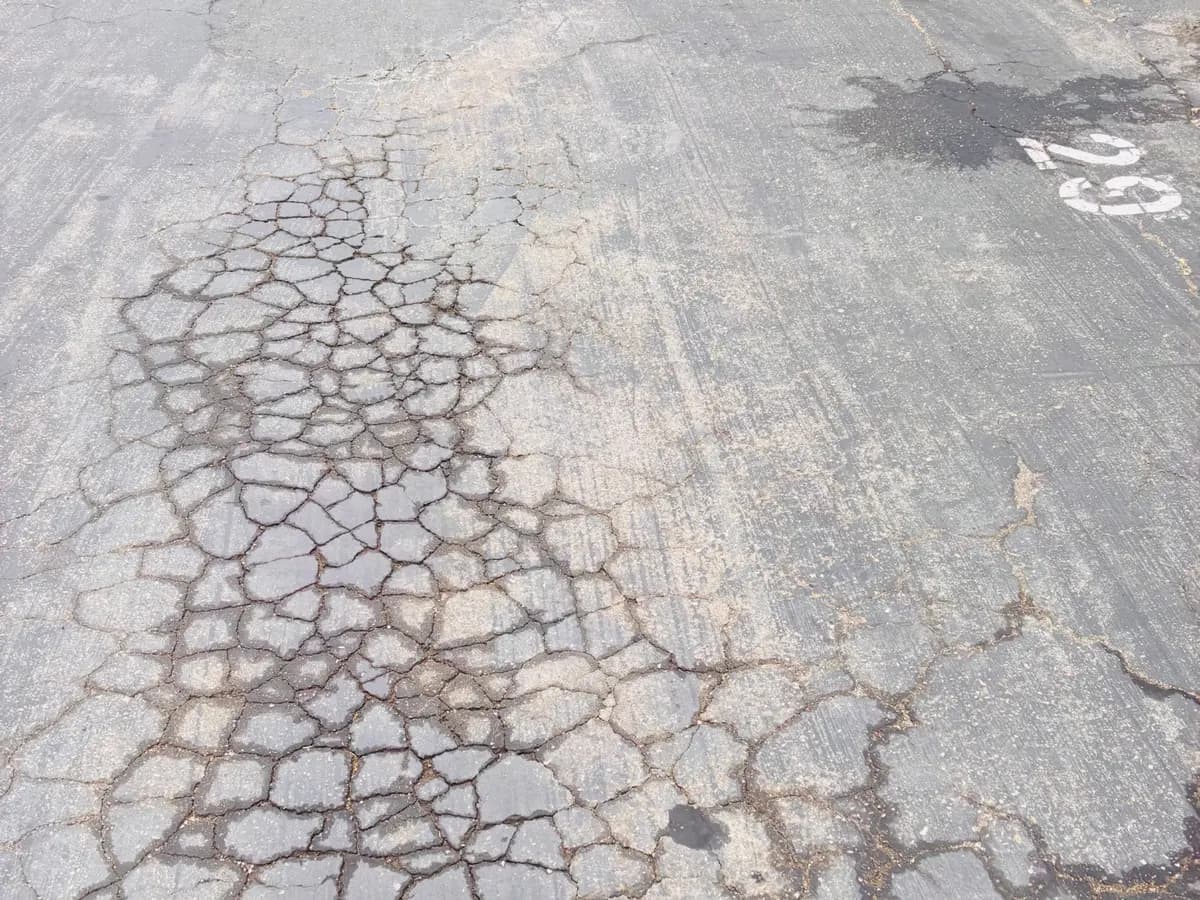
What alligator cracking is, what causes it, whether it can be patched or needs full-depth repair, and why it usually points to a failing base.
Property-owner guide
Updated July 11, 2026
When Should You Seal Asphalt Cracks?
When to seal cracks in asphalt — which cracks to seal, the best time of year, why sealing early matters, and how crack sealing fits a maintenance schedule.
Property-owner guide
Updated July 6, 2026
How to Choose an Asphalt Paving Contractor
How to choose an asphalt paving contractor: project fit, relevant experience, written scope, references, insurance, and pavement qualifications.
Property-owner guide
Updated July 6, 2026
Parking Lot Drainage Problems: What Property Owners Should Know
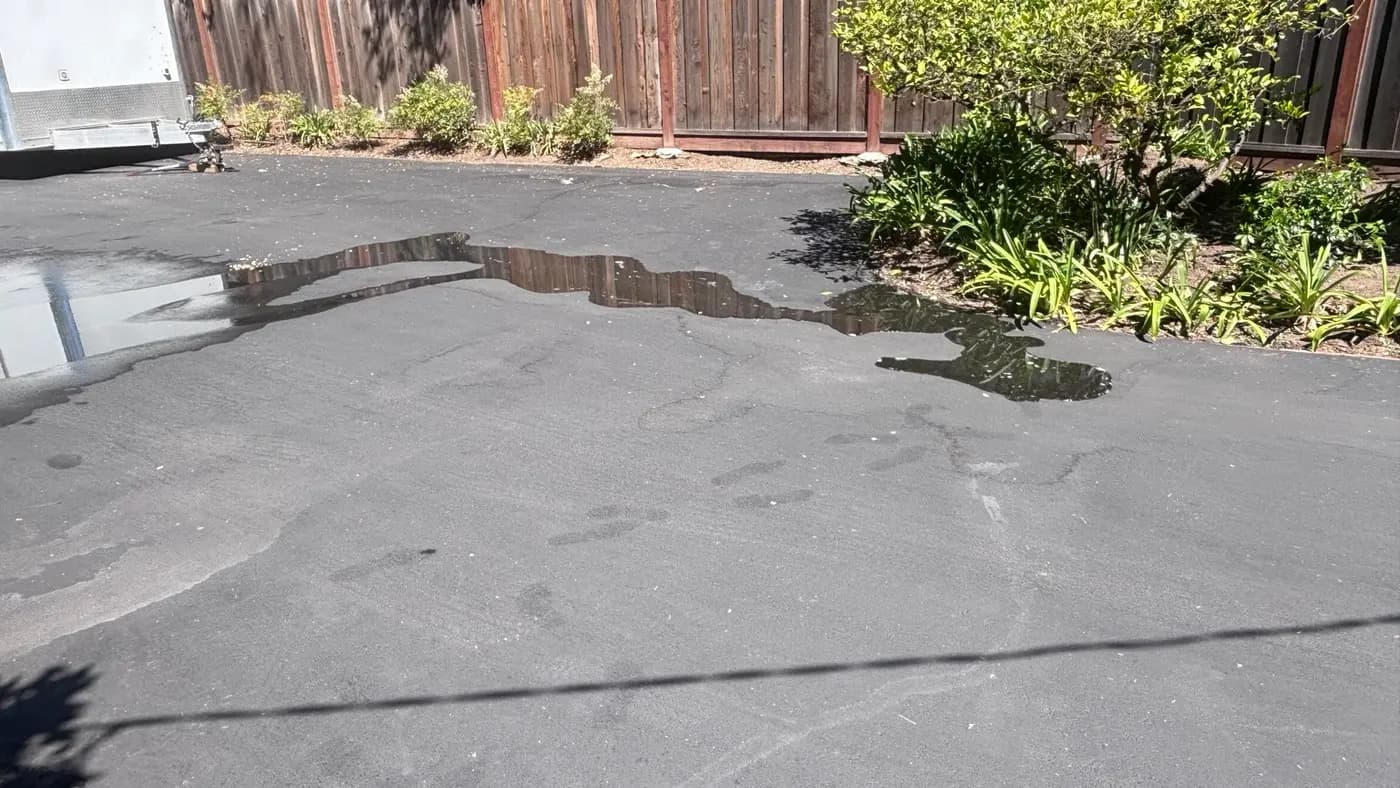
Common causes of parking lot drainage problems, why they accelerate pavement damage, and what property owners should ask contractors before a fix.
Property-owner guide
Updated July 12, 2026
How Drainage Affects Pavement Life
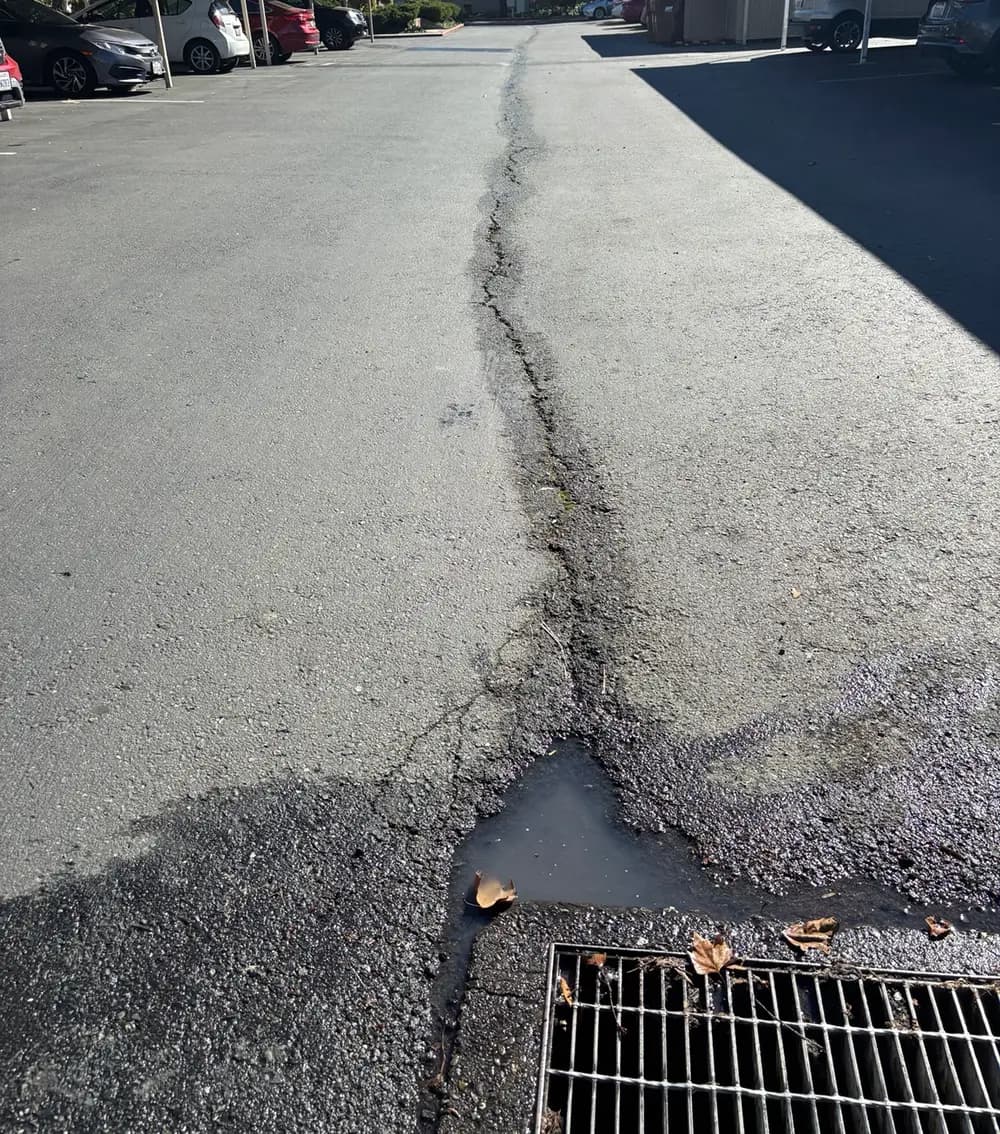
Why drainage is the biggest factor in how long pavement lasts, how water damages asphalt from the base up, and why fixing it protects every repair.
Property-owner guide
Updated August 30, 2026
Commercial Parking Lot Maintenance Guide
How to inspect, preserve, repair, and budget for a commercial parking lot: lifecycle stages, treatments, drainage, ADA, scoping, and multi-year plans.
Before you hire: The Pavement Directory does not guarantee contractor performance, pricing, licensing, insurance, or availability. Business information may be submitted by contractors or gathered from public sources and should be independently verified before hiring. Always confirm licensing, insurance, references, scope of work, and written contract terms.
For contractors
Ready to compare Mississippi contractors?
Browse listings by city and service, then use what you have read here to check the scope, the credentials, and the timing before you sign.