
South Carolina pavement guide
Pavement Conditions in South Carolina: Regions, Soils, and Common Problems
South Carolina runs from tidal Lowcountry to Piedmont clay in about two hundred miles, and the pavement design question changes with it.
- 5 regions
- 5 common problems
- 6 local terms
Jump to section
Regional differences
Pavement Conditions by Region in South Carolina
South Carolina does not have one climate or one soil profile, and pavement that performs well in one part of the state can fail early a few hours away. These are the divisions that matter most when scoping paving, repair, or maintenance work.
Lowcountry and the coastal zone
Charleston · Beaufort · Hilton Head Island · Georgetown · Mount Pleasant
Environmental stress
- Tropical systems and heavy rainfall events
- Tidal flooding and, increasingly, routine high-water inundation
- Hot, humid conditions that slow curing and drying
Subgrade conditions
- Soft organic and marsh-edge soils with limited bearing capacity
- Groundwater within a few feet of the surface on many parcels
- Extensive fill placed over former marsh during development
Common distress
- Broad settlement rather than isolated failures
- Base saturation and interconnected cracking in low areas
- Ponding where the outfall elevation is limited by tide
What it means for the work
- Outfall elevation, not surface slope, is often the controlling drainage constraint
- Coastal zone review can apply and should be established early
- Subgrade improvement frequently costs more than the pavement itself
Pee Dee and the inner Coastal Plain
Florence · Myrtle Beach · Conway · Sumter · Darlington
Environmental stress
- Heavy rainfall including tropical remnants moving inland
- Very concentrated seasonal traffic in the Grand Strand corridor
- Hot, humid summers with high surface temperatures
Subgrade conditions
- Sandy Coastal Plain soils with variable fines content
- Poorly drained flatwoods soils with a seasonal high water table
- River-bottom alluvium along the Pee Dee and Waccamaw corridors
Common distress
- Edge break-up where pavement is unconfined
- Ponding on very flat sites with no viable outlet
- Rutting concentrated into the peak visitor season
What it means for the work
- Flat sites need designed positive drainage, not minimal slope
- Resort properties often cannot close a lot at all in season
- Edge confinement matters more than owners expect on sandy ground
Sandhills and the Midlands
Columbia · Aiken · Camden · Lexington · Orangeburg
Environmental stress
- Hot summers with high pavement surface temperatures
- Intense convective storms with rapid runoff
- Heavy interstate freight and distribution traffic
Subgrade conditions
- Deep, loose sands from ancient shoreline deposits
- Clay lenses interbedded within the sand at variable depth
- Free-draining soils with poor lateral confinement
Common distress
- Cracking parallel to unconfined pavement edges
- Rutting in loose sand subgrade under heavy loading
- Erosion and undercutting where runoff crosses the edge
What it means for the work
- Curbs, thickened edges, or stabilized shoulders are more important here than base drainage
- Loose sand needs proper compaction and confinement to perform
- Runoff moves fast on these soils and needs a designed path
Piedmont
Greenville · Spartanburg · Rock Hill · Anderson · Greenwood
Environmental stress
- Moderate freeze-thaw crossings through winter
- Heavy rainfall on rolling terrain concentrating runoff
- Rapid growth loading older commercial lots and private streets
Subgrade conditions
- Red residual clay weathered from underlying rock
- Saprolite and partially weathered rock at variable depth
- Poorly drained clay that softens considerably when wet
Common distress
- Alligator cracking where lots drain slowly
- Settlement where a section crosses from rock to soil subgrade
- Erosion at edges and outfalls on sloped sites
What it means for the work
- Red clay is easy to damage if it is worked wet
- Proof-rolling catches soft areas that a visual walk misses
- Rock excavation can appear unexpectedly and should be a unit price
Blue Ridge escarpment
Greenville (northern edge) · Landrum · Walhalla · Salem
Environmental stress
- The state's highest rainfall totals and coldest winters
- Steep terrain with concentrated slope runoff
- More freeze-thaw cycling than the rest of the state
Subgrade conditions
- Rocky colluvium and shallow bedrock on slopes
- Steep sites with limited flat working area
- Saturated soils at the toe of slopes and below cut faces
Common distress
- Slope movement pulling pavement apart at the downhill edge
- Washout where uncontrolled runoff crosses on a grade
- Winter surface damage that lower elevations do not see
What it means for the work
- Retaining and drainage work often exceeds the paving cost
- Runoff needs a designed, armored path rather than a slope
- The working window is shorter here than in the Lowcountry
Field conditions
Common Pavement Problems in South Carolina
Tidally limited drainage in the Lowcountry
Charleston-area and coastal lots that hold water long after rain has stopped, with base saturation and interconnected cracking in the lowest areas, sometimes worsening noticeably at high tide.
Likely causes
- Outfall elevation controlled by tide rather than by site grading
- Groundwater within a few feet of the pavement section
- Fill placed over soft marsh soils during original construction
- Storm surge and flooding saturating the base repeatedly
When to get it looked at: Where the outfall is tidally controlled, regrading alone may not fix it. Establish that before paying for a resurfacing that will fail in the same low areas.
Unconfined edge failure on sandy soils
The outer few feet of pavement cracking parallel to the edge, dropping, and breaking away on Sandhills and Coastal Plain lots, while the interior remains serviceable.
Likely causes
- Loose sand providing very little lateral support at an unconfined edge
- No curb, thickened edge, or compacted stabilized shoulder
- Vehicles routinely running the perimeter in tight aisles
- Runoff sheeting over the edge and eroding the soil supporting it
When to get it looked at: If the same edge has been patched more than once, the answer is edge support and runoff control rather than more asphalt in the same place.
Saturated red clay subgrade in the Piedmont
Broad areas of interconnected cracking that flex under a slow-moving vehicle, in the parts of an upstate lot that drain last after heavy rain.
Likely causes
- Red residual clay losing bearing strength when saturated
- Grading with no positive fall to an outlet
- Base material contaminated by fines pumped up from below
- Subgrade worked or trafficked while wet during construction
When to get it looked at: Photograph the lot during a storm. Where water stands is where the base is failing, and that is very difficult to identify on a dry inspection day.
Tropical system rainfall damage
Base washout, undermined edges, and displaced material after a tropical system, on properties whose drainage handled ordinary rain without difficulty for years.
Likely causes
- Rainfall volume and duration far beyond routine design assumptions
- Regional flooding backing up the site's outfall
- Debris blocking inlets during the event itself
- Prolonged saturation weakening the base under continuing traffic
When to get it looked at: After a major storm, inspect before the lot is put back into full use. Pavement that looks intact can be sitting on a base that lost material during the event.
Freight and distribution loading damage
Rutting, shoving, and cracking concentrated at entrances, dock aprons, and trailer parking along the I-85 and I-26 corridors, while the adjacent car lot stays sound.
Likely causes
- Axle loads far beyond the original design assumption
- Trailer landing gear point-loading asphalt in drop lots
- Slow and stationary loading through hot, humid summers
- Entrance aprons built to the same section as the parking field
Property types
Common Pavement Projects in South Carolina
Port and distribution facilities
Charleston-area port-adjacent yards and the I-26 and I-85 distribution corridors concentrate container and trailer loading on aprons and staging areas that need a different section from the parking field.
Automotive and advanced manufacturing plants
Upstate plant campuses move components and finished vehicles on schedules where unplanned pavement failure costs far more than the repair, which raises the value of planned maintenance.
Coastal resort and hospitality properties
Hilton Head, Myrtle Beach, and Charleston properties combine seasonal traffic peaks, tidal drainage constraints, and windows during which the lot cannot be closed at all.
Retirement and active adult communities
Extensive private streets and a resident population for whom trip hazards and accessible route condition matter more than average, on Lowcountry ground that settles broadly rather than locally.
Military installations and support facilities
Coastal installations combine heavy equipment loading with high groundwater and their own specifications and access constraints, which reshape both the design and the submittal process.
Plain English
Pavement Terms You May Encounter in South Carolina
| Term | What it means on a South Carolina project |
|---|---|
| Graded aggregate base | The compacted crushed stone layer beneath asphalt. South Carolina proposals name it by compacted thickness, and how well it drains generally does more for pavement life than the surface course above it. |
| Cement-modified or soil-cement base | Treating in-place soil with cement to create a stabilized layer. On loose Sandhills sand and soft Coastal Plain soils it is a legitimate and sometimes necessary approach worth asking about. |
| Proof rolling | Driving a loaded truck over the prepared subgrade and watching for deflection before base is placed. On South Carolina's variable subgrade it is the cheapest way to find soft ground while it is still fixable. |
| Thickened edge | Increasing pavement thickness at an unconfined perimeter so the edge can support itself without a curb. On sandy soils it addresses the failure mode that most often shows up first. |
| Critical area | Regulated coastal features including tidelands, beaches, and adjacent land in South Carolina's coastal zone. Whether a parcel touches one is a location question that affects the permitting path. |
| Saprolite | Weathered rock that retains its original structure but crumbles under load — common in the Piedmont. It can look like competent rock in an excavation and behave like soil under a pavement section. |
State transportation specifications can provide useful regional terminology and material references, but they do not automatically govern private parking-lot or driveway projects unless incorporated into the contract or required by the applicable jurisdiction.
More definitions are in the pavement glossary.
Before you sign
Questions to Ask a Paving Contractor in South Carolina
- What classification and monetary limit are on your South Carolina contractor license, and do they cover this project?
- Where does this lot discharge to, and is the outfall elevation affected by tide?
- How is the pavement edge going to be supported where there is no curb?
- Will the subgrade be proof-rolled before base is placed, and can I be present?
- Does this parcel fall in the coastal zone or touch a critical area, and does that add a review step?
- Is any subgrade treatment or stabilization included, and if not, why is it not needed on this soil?
- How will the site drain during a tropical system, and where does water go when capacity is exceeded?
- Is the dock apron or trailer area getting a different section from the car parking, and why?
- What surface and overnight temperatures does the product you have proposed require?
South Carolina pavement condition FAQs
Why does my Charleston-area lot hold water even after regrading?
On low-lying Lowcountry parcels, the outfall elevation is often controlled by the tide rather than by your site grading. If the pipe discharges into water that is periodically at or above the outlet, the system backs up regardless of how well the lot slopes. Add groundwater within a few feet of the surface and periodic flooding saturating the section, and surface grading alone cannot resolve it. That is a drainage design question worth answering before paying for a resurfacing that will fail in the same low areas.
Why do the edges of my Midlands parking lot break up first?
Sandhills soils drain beautifully and support almost nothing laterally. At an unconfined pavement edge, very little holds the asphalt in place when a vehicle runs the perimeter, and runoff sheeting over the edge steadily removes the soil beneath it. The result is cracking parallel to the edge that works inward while the middle of the lot stays fine. A curb, a thickened edge, or a properly compacted stabilized shoulder addresses it; another patch in the same location does not.
What should I do about my South Carolina lot after a hurricane?
Inspect before the property goes back into full use. Pavement that looks intact after a tropical system can be sitting on a base that lost material during the event, and putting traffic back on it accelerates the failure. Check where water stood and for how long, look for undermined edges and settlement at structures, and clear debris from inlets before the next rain. Keeping a dated condition record from before the season also makes any insurance discussion about storm damage far more productive.
Why does Piedmont red clay cause so many pavement problems?
Because it holds water and loses strength when it does. Red residual clay in the upstate drains slowly, and where a lot does not shed surface water efficiently, the base stays wet and the subgrade beneath it softens. Traffic then works the pavement until it cracks in an interconnected pattern. Red clay is also easy to damage during construction if it is compacted or driven on while wet, which is why a rebuild done in a wet stretch can fail years before one done in dry conditions.
Does the coastal zone affect a parking lot project in South Carolina?
It can, and it is worth establishing early. Work in South Carolina's designated coastal counties may involve coastal zone review addressing critical areas, flooding, and coastal resources, separate from ordinary stormwater permitting. Whether it applies is largely a question of where the parcel sits and what the work involves. On a Charleston, Beaufort, or Horry County property, asking before design costs nothing; discovering it after a plan is drawn costs both time and redesign.
Is sealcoating worth doing in South Carolina's climate?
On sound asphalt it slows oxidation and keeps the surface uniform, which has real value under this much sun and heat. On pavement that is already cracking through to the base it accomplishes very little and can obscure the condition an assessment should be reading. It is also not a substitute for crack sealing or for correcting drainage, which are the higher-value interventions on most South Carolina properties. Ask a contractor to describe the pavement's condition before discussing the product.
Related reading for South Carolina property owners
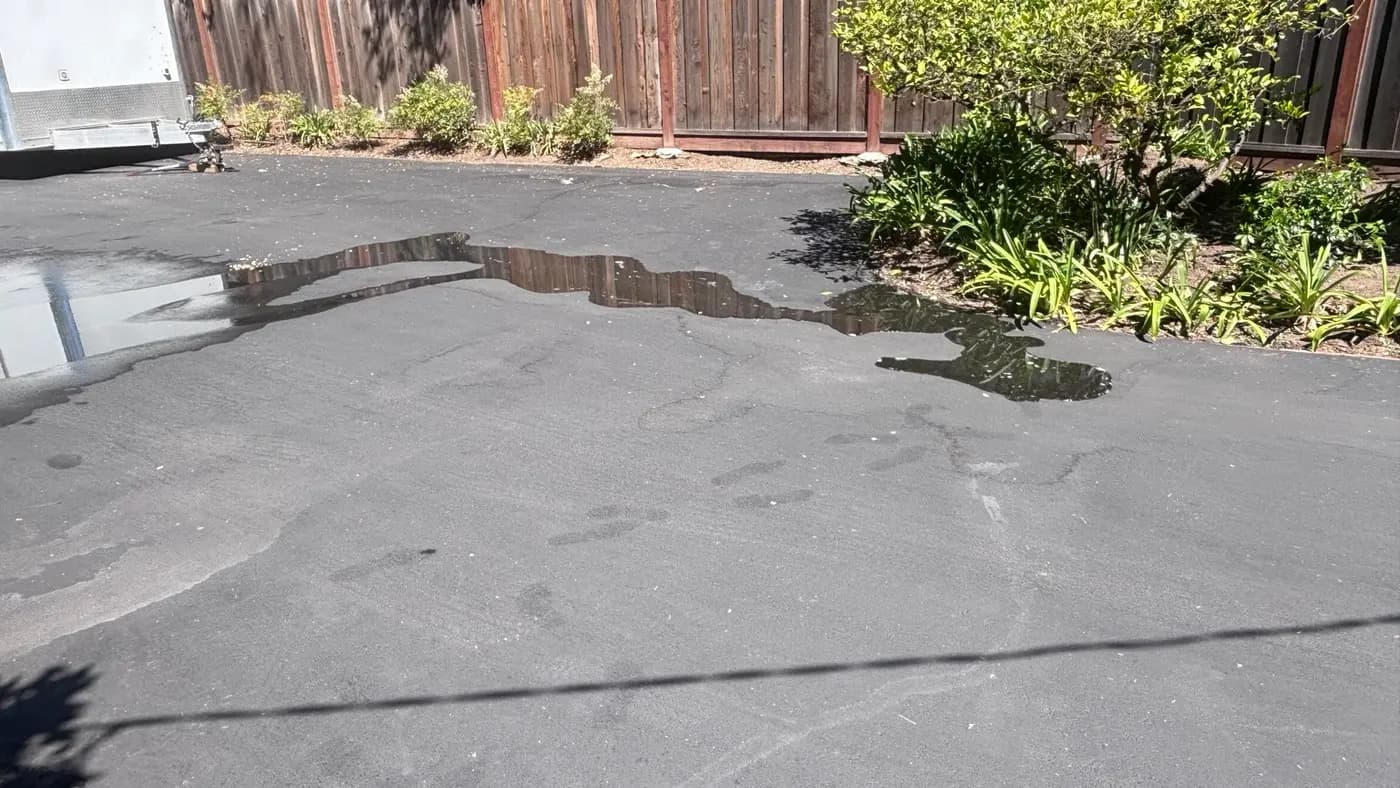
Property-owner guide
Updated July 6, 2026
Parking Lot Drainage Problems: What Property Owners Should Know
Common causes of parking lot drainage problems, why they accelerate pavement damage, and what property owners should ask contractors before a fix.
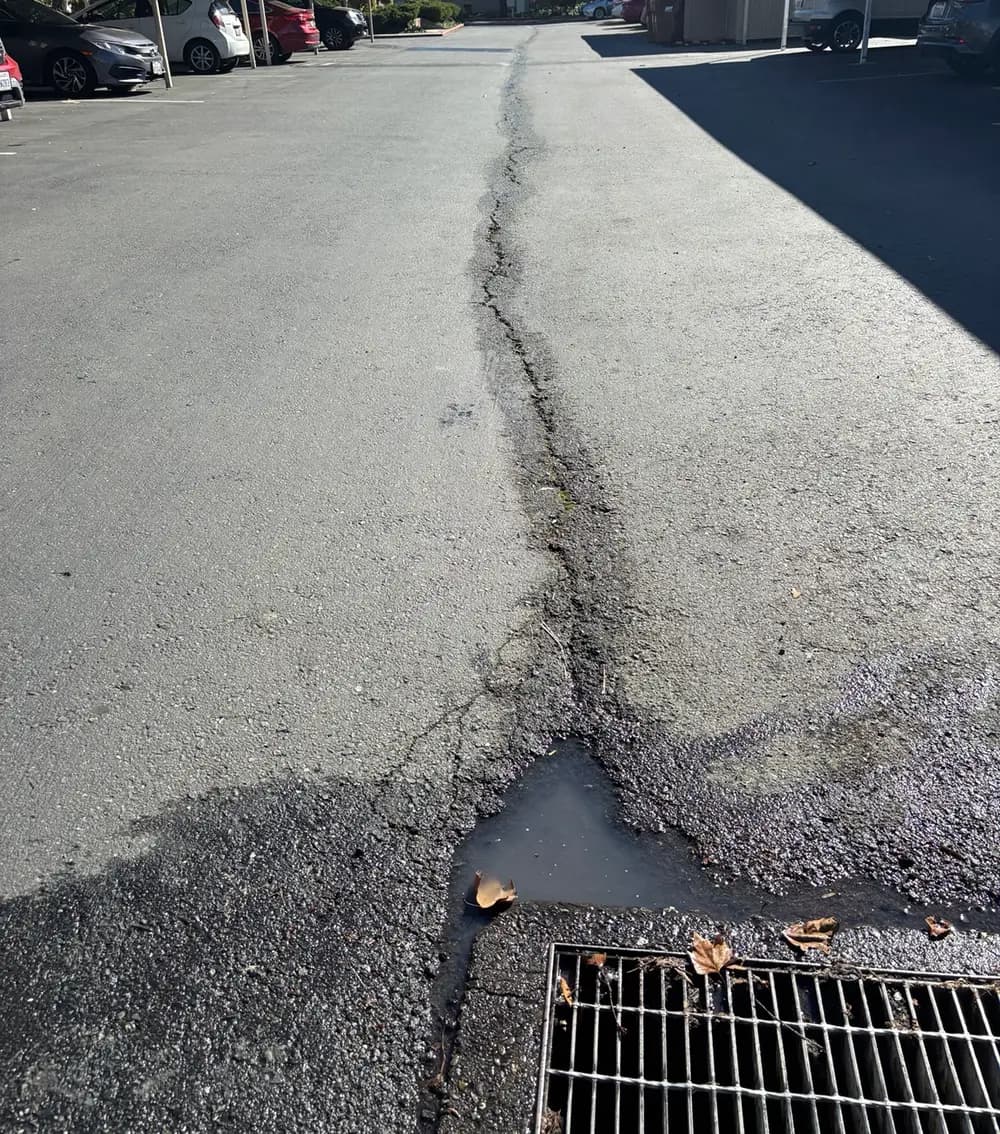
Property-owner guide
Updated July 12, 2026
How Drainage Affects Pavement Life
Why drainage is the biggest factor in how long pavement lasts, how water damages asphalt from the base up, and why fixing it protects every repair.
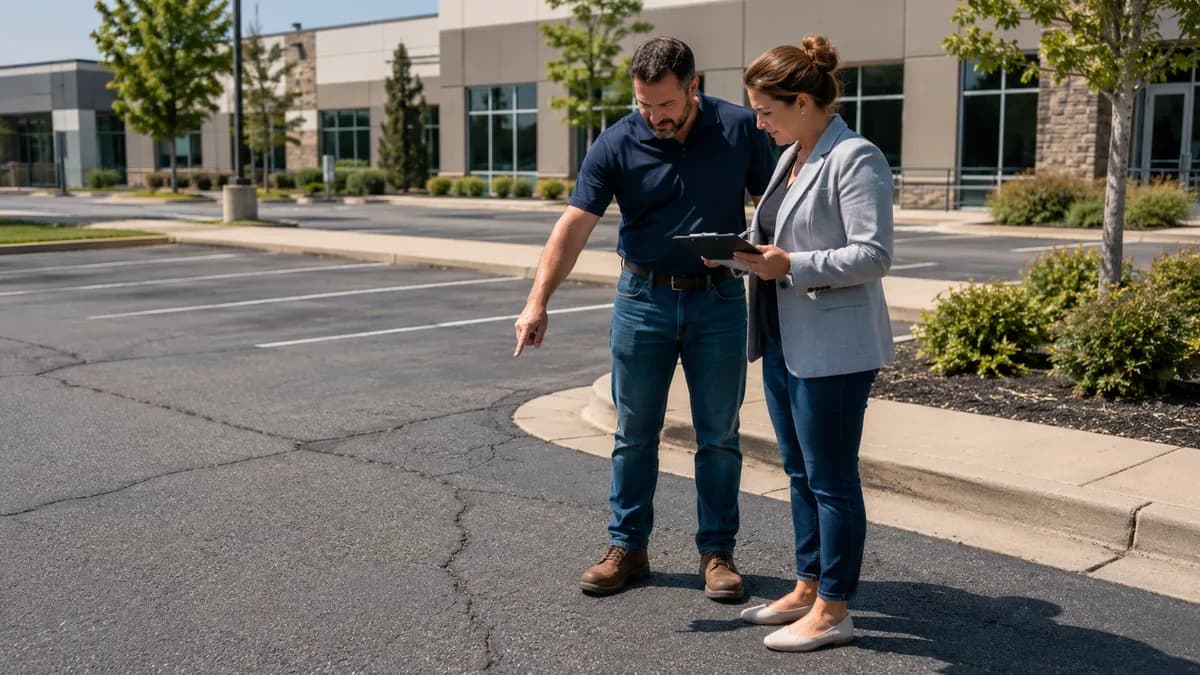
Property-owner guide
Updated July 6, 2026
How to Choose an Asphalt Paving Contractor
How to choose an asphalt paving contractor: project fit, relevant experience, written scope, references, insurance, and pavement qualifications.
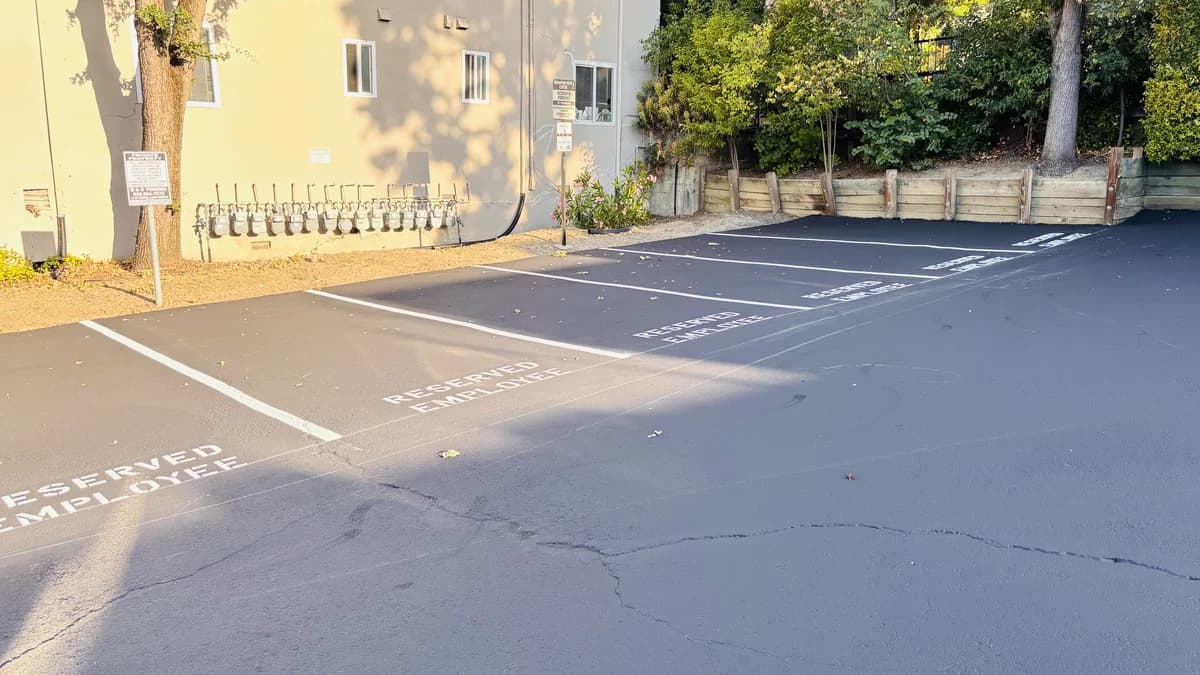
Property-owner guide
Updated July 6, 2026
When Is Sealcoating Worth It?
When sealcoating provides real value as preventive asphalt maintenance, and the pavement conditions where it makes the most sense.
Property-owner guide
Updated July 6, 2026
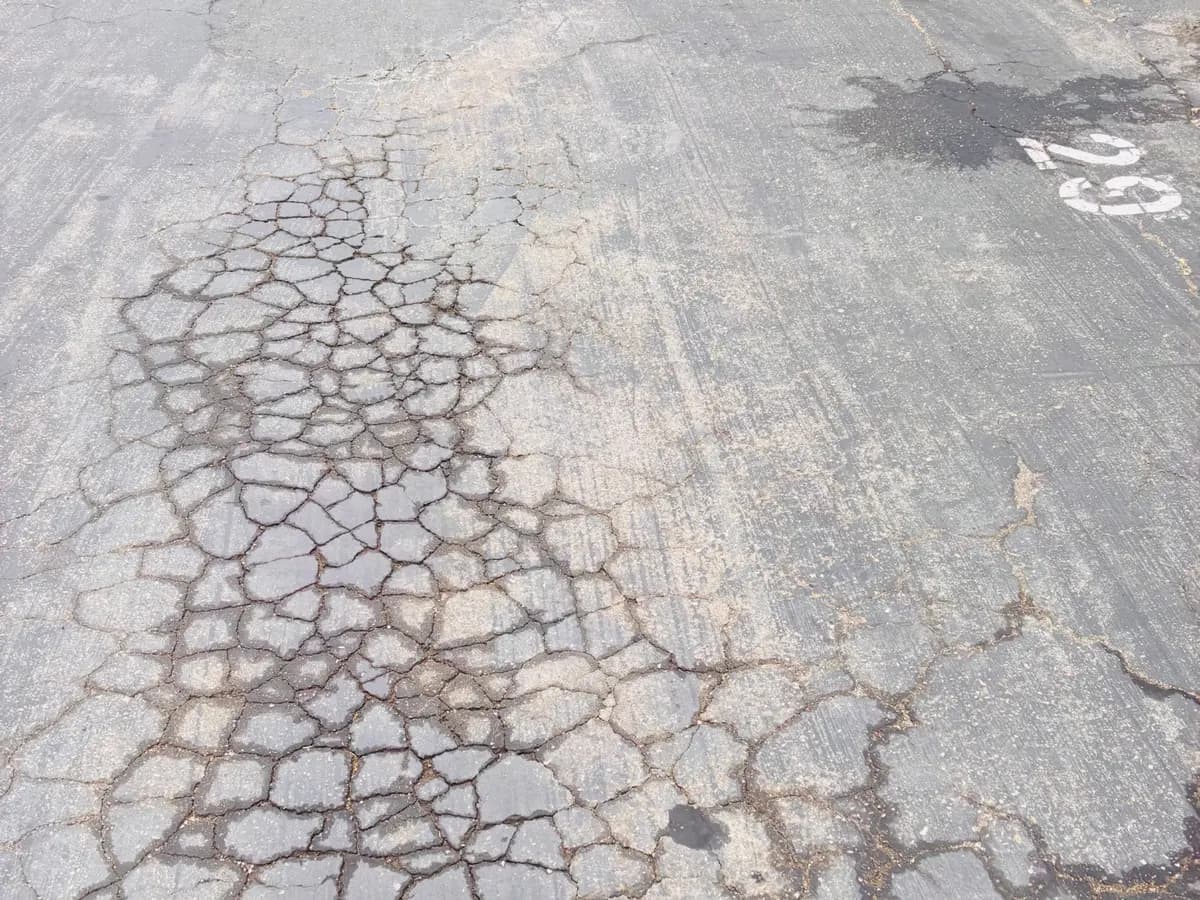
What Causes Alligator Cracking in Asphalt?
What alligator cracking is, what causes it, whether it can be patched or needs full-depth repair, and why it usually points to a failing base.
Property-owner guide
Updated July 11, 2026
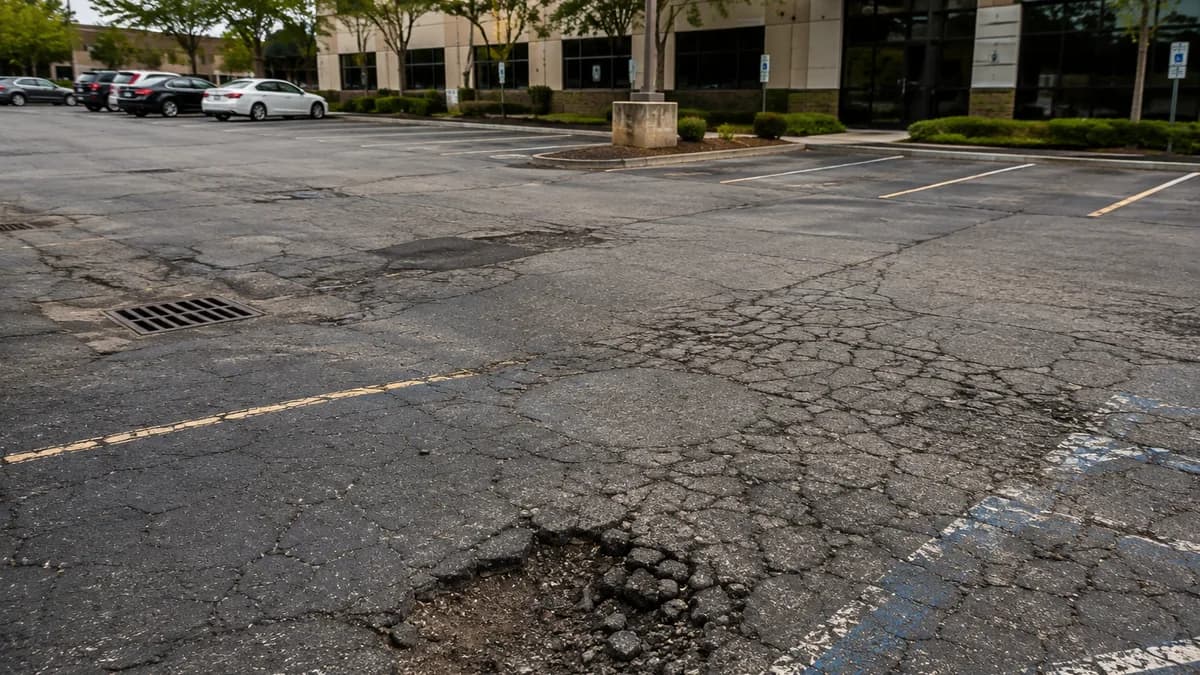
Signs Your Parking Lot Needs Maintenance
How to read the warning signs a parking lot needs attention — cracks, potholes, faded striping, ponding, raveling — and what each one means.
Before you hire: The Pavement Directory does not guarantee contractor performance, pricing, licensing, insurance, or availability. Business information may be submitted by contractors or gathered from public sources and should be independently verified before hiring. Always confirm licensing, insurance, references, scope of work, and written contract terms.
For contractors
Ready to compare South Carolina contractors?
Browse listings by city and service, then use what you have read here to check the scope, the credentials, and the timing before you sign.