
Rhode Island pavement guide
When to Pave, Sealcoat, and Repair in Rhode Island
A season-by-season calendar for Rhode Island: the work that fits each window, what tends to delay it, and what to inspect for before you book a contractor.
- 4 planning windows
- Inspection priorities
- Regional exceptions
Timing
Paving and Maintenance Calendar for Rhode Island
Treat this as a planning aid, not a rule. Whether a given treatment can actually be placed on a given day depends on product requirements, surface and nighttime temperatures, the rain forecast, humidity, plant availability, the project specification, and the contractor’s means and methods.
Winter
Work often suited to this window
- Snow and ice operations and monitoring damage as it develops
- Emergency pothole repair and trip hazard mitigation
- Condition assessment, capital planning, and preparing spring bid packages
Scheduling risks
- Paving and surface treatments are generally out of season statewide
- Frozen and thawing ground makes structural repair unreliable
- Salt and snow cover conceal damage until the melt reveals it
Inspect for: Track where plowed snow is stockpiled and where its meltwater crosses the lot; on salt-exposed properties, note which concrete features are getting the heaviest chloride load.
Regional exception: The Blackstone Valley and northwest uplands lose considerably more of this period to hard freezing than the South County coast does.
Spring
Work often suited to this window
- Full-depth repair of winter damage once the subgrade firms up
- Paving and overlays as temperatures stabilize
- Drainage corrections and structure resetting before summer
Scheduling risks
- Thaw-weakened subgrade makes early structural work unreliable
- Persistent spring rain keeps till sites too wet to work
- CRMC and municipal review timelines can add weeks where coastal jurisdiction applies
Inspect for: Separate the cracks that only need sealing from areas that visibly flex under a slow-moving vehicle; the second group needs base repair rather than an overlay.
Summer
Work often suited to this window
- Sealcoating and surface treatments in warm, dry conditions
- Reconstruction and heavy repair phased around occupancy
- Striping, signage, and accessible route upgrades
Scheduling risks
- Coastal and Aquidneck Island properties often cannot close a lot at all in season
- School and campus work compresses into the same few weeks statewide
- Humidity and afternoon storms extend cure times and interrupt applications
Inspect for: Walk drive aisles, loading areas, and drop-off lanes during the hottest part of the day, when rutting and shoving are visible rather than inferred.
Regional exception: South County and Newport properties frequently have to defer all work to the shoulder seasons because closing a lot in July is not an option.
Fall
Work often suited to this window
- Crack sealing ahead of the first sustained freezes
- Completing paving and overlays while conditions allow
- Clearing catch basins, outfalls, and stormwater structures before winter
Scheduling risks
- The northwest uplands lose the window earlier than the coast does
- Whether a given day works depends on the product's stated requirements, surface and overnight temperatures, humidity, and the rain forecast rather than the date
- Coastal storms can bring heavy rain and flooding well into the fall
Inspect for: Confirm cracks are sealed and every catch basin and outfall is clear before the first freeze; anything open in November takes on water until the spring.
Rhode Island paving season FAQs
When can paving be done in Rhode Island?
Broadly spring through fall, with the coast usually offering more workable days at both ends than the Blackstone Valley and the northwest uplands. There is no fixed date at which paving stops being possible. What decides a given day is the specific product's stated requirements, surface and overnight temperatures, humidity, the rain forecast, plant availability, and the specification. For coastal and seasonal properties the harder constraint is usually occupancy: the best weather coincides with the months a lot cannot be closed.
Timing guides that apply in every state
Property-owner guide
Updated July 6, 2026
When Is Sealcoating Worth It?
When sealcoating provides real value as preventive asphalt maintenance, and the pavement conditions where it makes the most sense.
Property-owner guide
Updated July 11, 2026
When Should You Seal Asphalt Cracks?
When to seal cracks in asphalt — which cracks to seal, the best time of year, why sealing early matters, and how crack sealing fits a maintenance schedule.
Property-owner guide
Updated July 11, 2026
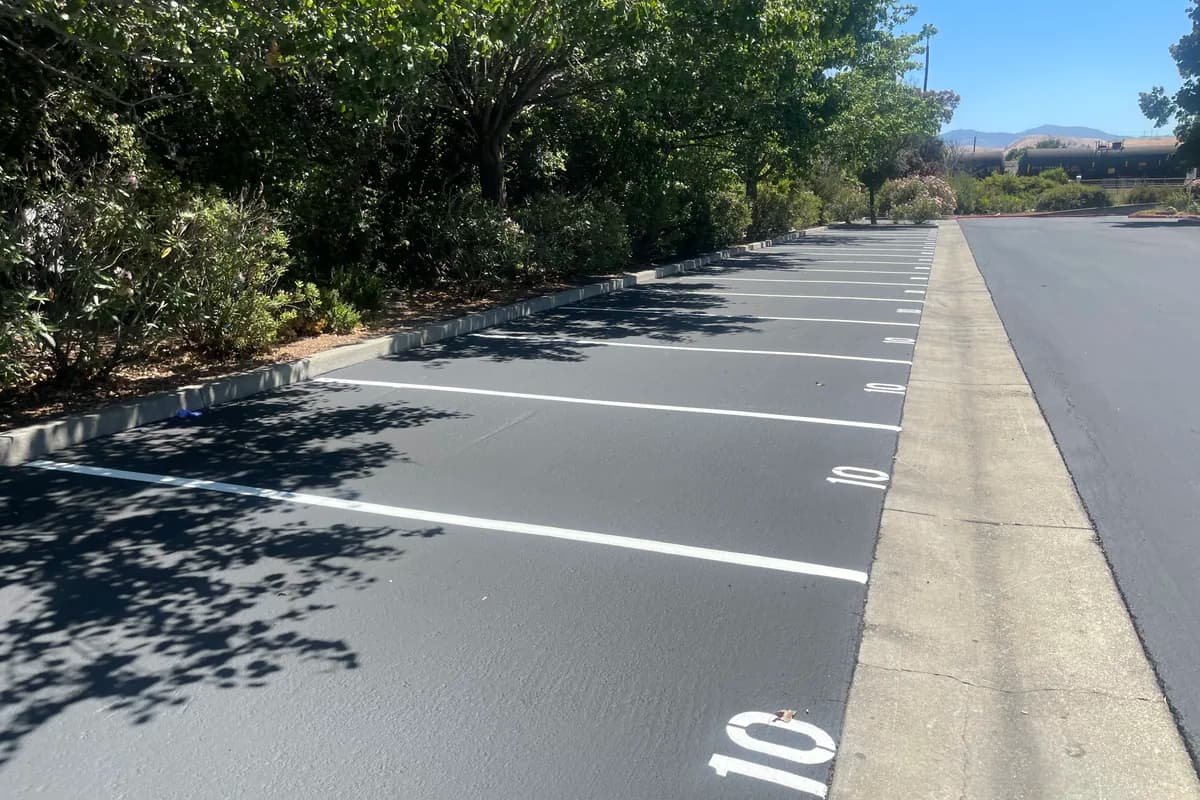
When Should You Restripe a Parking Lot?
How to tell when a parking lot needs restriping — faded lines, worn ADA markings, sealcoating, layout changes — and how often it is typically needed.
Before you hire: The Pavement Directory does not guarantee contractor performance, pricing, licensing, insurance, or availability. Business information may be submitted by contractors or gathered from public sources and should be independently verified before hiring. Always confirm licensing, insurance, references, scope of work, and written contract terms.
For contractors
Ready to compare Rhode Island contractors?
Browse listings by city and service, then use what you have read here to check the scope, the credentials, and the timing before you sign.