
North Carolina pavement guide
Pavement Conditions in North Carolina: Regions, Soils, and Common Problems
North Carolina runs three distinct pavement environments across one state, and the regulatory picture shifts almost as much as the geology.
- 4 regions
- 5 common problems
- 6 local terms
Jump to section
Regional differences
Pavement Conditions by Region in North Carolina
North Carolina does not have one climate or one soil profile, and pavement that performs well in one part of the state can fail early a few hours away. These are the divisions that matter most when scoping paving, repair, or maintenance work.
Piedmont
Charlotte · Raleigh · Durham · Greensboro · Winston-Salem
Environmental stress
- Heavy rainfall on sites with real grade
- Hot, humid summers with strong UV
- Occasional ice events rather than sustained freezing
- Rapid development putting new traffic on older pavement
Subgrade conditions
- Red clay residual soils over weathered rock
- Micaceous soils that lose strength when saturated
- Variable fill on quickly developed parcels
Common distress
- Alligator cracking where clay subgrade stays wet
- Erosion at pavement edges on sloped sites
- Rutting at distribution and retail delivery areas
What it means for the work
- Drainage correction usually precedes surface work
- Nutrient-sensitive watershed rules apply in parts of the region
- Sloped sites need a designed flow path, not just a grade away from the building
Coastal Plain and Sandhills
Fayetteville · Rocky Mount · Greenville · Lumberton
Environmental stress
- Heavy tropical rainfall and inland flooding
- Hot, humid summers
- Agricultural and military truck traffic
Subgrade conditions
- Sandy soils that drain quickly but provide limited cohesion
- Flat terrain with poor natural fall to an outlet
- High water table in the lower Coastal Plain
Common distress
- Base saturation during prolonged wet periods
- Flood-related washout well inland from the coast
- Edge break-up where sandy shoulders offer no support
What it means for the work
- Flat sites need designed positive drainage, not minimal slope
- Sandy subgrade needs confinement and edge support
- Military installation work carries its own requirements and standards
Coastal counties and the Outer Banks
Wilmington · Jacksonville · New Bern · Nags Head
Environmental stress
- Direct hurricane and storm surge exposure
- High groundwater and tidal influence
- Salt air along the immediate coast
- Blowing sand in the barrier island communities
Subgrade conditions
- Sand with a high water table
- Organic and marsh-adjacent soils on many parcels
- Fill over former wetland in developed areas
Common distress
- Storm washout and edge undermining
- Settlement around inlets and structures
- Sand accumulation blocking drainage
What it means for the work
- Coastal management review can apply on top of local permitting
- Post-storm assessment should look beneath the surface
- Seasonal occupancy peaks limit acceptable work windows
Mountains and western North Carolina
Asheville · Boone · Hendersonville · Waynesville
Environmental stress
- Real freeze-thaw cycling and winter snow at elevation
- Very heavy rainfall in parts of the mountain region
- Steep terrain concentrating runoff
Subgrade conditions
- Rocky residual soils over bedrock
- Shallow rock and steep grades on many parcels
- Colluvial soils on slopes with stability considerations
Common distress
- Freeze-thaw potholing in late winter
- Erosion and undermining at pavement edges
- Cracking at transitions between rock and soil subgrade
What it means for the work
- Crack sealing before winter has real value here, unlike the coast
- Slope stability warrants attention on hillside parcels
- The construction season is shorter and books out earlier
Field conditions
Common Pavement Problems in North Carolina
Piedmont clay saturation
Alligator cracking in the lower areas of a lot, pavement that feels soft after wet weather, and repairs that fail in the same locations year after year.
Likely causes
- Clay subgrade holding water rather than draining it
- Grading with no positive fall to an outlet
- Base material with too many fines to drain
When to get it looked at: Repeat failure in the same areas is a drainage problem, not a surface one. Ask whether the base was dry when the last repair went in.
Inland flood damage
After a tropical system, pavement edges undermine and sections drop at properties nowhere near the coast, sometimes with little visible surface damage.
Likely causes
- Extreme rainfall producing riverine and flash flooding well inland
- Floodwater moving through and beneath the pavement structure
- Drainage systems overwhelmed and blocked with debris
When to get it looked at: After a flood, have edges, structures, and any area that moves under load evaluated before returning heavy traffic. Surface appearance is a poor guide to what happened below.
Sandy subgrade edge failure
Pavement breaking away along the perimeter of Coastal Plain and Sandhills lots, especially where vehicles run partly off the edge.
Likely causes
- Sandy soils offering little cohesion or edge support
- No shoulder, curb, or confinement at the pavement edge
- Water washing material out from beneath the edge
When to get it looked at: Edge failure that keeps recurring means the edge condition itself needs to change — confinement or a shoulder — rather than another strip of patching.
Mountain freeze-thaw damage
Potholes and crack deterioration developing through late winter in Asheville, Boone, and the western counties, in lots that carried the same traffic all season.
Likely causes
- Water entering unsealed cracks and freezing repeatedly
- Meltwater trapped above still-frozen subgrade
- Snow and ice operations abrading the surface
Distribution and delivery rutting
Wheel-path depressions and shoving at dock aprons and turning areas around Piedmont distribution facilities and large retail properties.
Likely causes
- Slow, heavy, channelized truck loading
- High summer pavement temperatures reducing mix stiffness
- Sections built for lighter traffic than the site now carries
Property types
Common Pavement Projects in North Carolina
Distribution and manufacturing facilities
Piedmont corridor development concentrates truck loading at docks and turning areas on clay subgrade that gives up strength when it is wet.
Military installations and adjacent properties
Fayetteville, Jacksonville, and Goldsboro-area facilities carry heavy equipment loading, often on sandy subgrade with limited edge support.
Coastal resort and rental properties
Storm exposure, sand accumulation, and seasonal occupancy mean the damage and the acceptable work window fall in different parts of the year.
University and hospital campuses
Research Triangle and other campuses need continuous access, and the practical construction window compresses into breaks.
Mountain hospitality and resort properties
Freeze-thaw damage, snow operations, and a short construction season shift the emphasis toward crack sealing and durable markings.
Plain English
Pavement Terms You May Encounter in North Carolina
| Term | What it means on a North Carolina project |
|---|---|
| Superpave | The mix design system used to match binder grade and aggregate structure to expected traffic and temperature. North Carolina suppliers use this vocabulary when discussing mixes for truck areas. |
| Aggregate base course (ABC) | The compacted crushed stone base layer used across North Carolina. On Piedmont clay its thickness and drainage quality usually matter more than the asphalt above it. |
| Geotextile separation fabric | Fabric between subgrade and base that keeps clay from pumping into the stone. On wet Piedmont clay it can make a substantial difference to pavement life. |
| Riparian buffer | A protected vegetated strip along a stream. In several North Carolina watersheds these are regulated, and they can constrain what a project may do near the low side of a property. |
| Full-depth reclamation (FDR) | Pulverizing existing asphalt and base together, treating the blend, and repaving over it. Useful on larger lots and private roads where the base has failed. |
| Chip seal / surface treatment | An asphalt binder application covered with aggregate, common on rural roads and large private roads. It is a surface treatment, not a structural repair. |
State transportation specifications can provide useful regional terminology and material references, but they do not automatically govern private parking-lot or driveway projects unless incorporated into the contract or required by the applicable jurisdiction.
More definitions are in the pavement glossary.
Before you sign
Questions to Ask a Paving Contractor in North Carolina
- Which classification does your North Carolina general contractor license carry, and what is its limitation?
- How will drainage be corrected so the clay subgrade stops staying saturated?
- Is geotextile separation or subgrade stabilization included in this section?
- For our sandy Coastal Plain site, how will the pavement edge be confined or supported?
- Has this property flooded before, and was anything done to evaluate the base after?
- Does this property fall in a nutrient-sensitive or water supply watershed, and does that add requirements?
- Is a local land disturbance permit required, who obtains it, and is that time in your schedule?
- For our mountain property, what is the crack sealing plan and how late in the fall can it be done?
- Are the truck and dock areas being built to a heavier section than the parking field?
North Carolina pavement condition FAQs
How does pavement differ between the Piedmont and the Coastal Plain?
Almost entirely. Piedmont red clay drains poorly, so the problem is water sitting in the pavement structure and softening the subgrade, producing alligator cracking in low areas. Coastal Plain sand drains quickly but offers little cohesion, so the problem is edge failure and lack of support, made worse by a high water table in the lower Coastal Plain and by very flat terrain with no natural fall. The right design and the right maintenance program differ fundamentally between them.
Do hurricanes only affect coastal North Carolina pavement?
No, and that assumption has cost inland property owners real money. North Carolina's most damaging storm flooding has occurred well inland, driven by extreme rainfall producing riverine and flash flooding rather than by surge. Floodwater moving through and beneath pavement washes out base material and undermines edges while the surface can still look intact. Any property with flood history should have edges and structures evaluated after a major event, regardless of distance from the coast.
What are nutrient-sensitive watershed rules and do they affect my project?
Parts of North Carolina's Piedmont drain to watersheds where the state applies additional nutrient management requirements, and other areas fall under water supply watershed protections. Whether they affect a paving project depends on the property's location and the scope, particularly whether impervious area is changing. Because which rules apply is entirely a function of where the property sits, it is worth confirming during design rather than during permitting.
Why does the edge of my Coastal Plain parking lot keep breaking away?
Sandy subgrade provides very little cohesion, so pavement edges without a curb, shoulder, or other confinement have nothing holding them. Vehicles running partly off the edge break it down, and water washes material out from beneath. Patching the edge repeatedly does not change the condition that caused it — the edge itself usually needs confinement, a proper shoulder, or a widened section for the traffic that actually uses it.
Related reading for North Carolina property owners
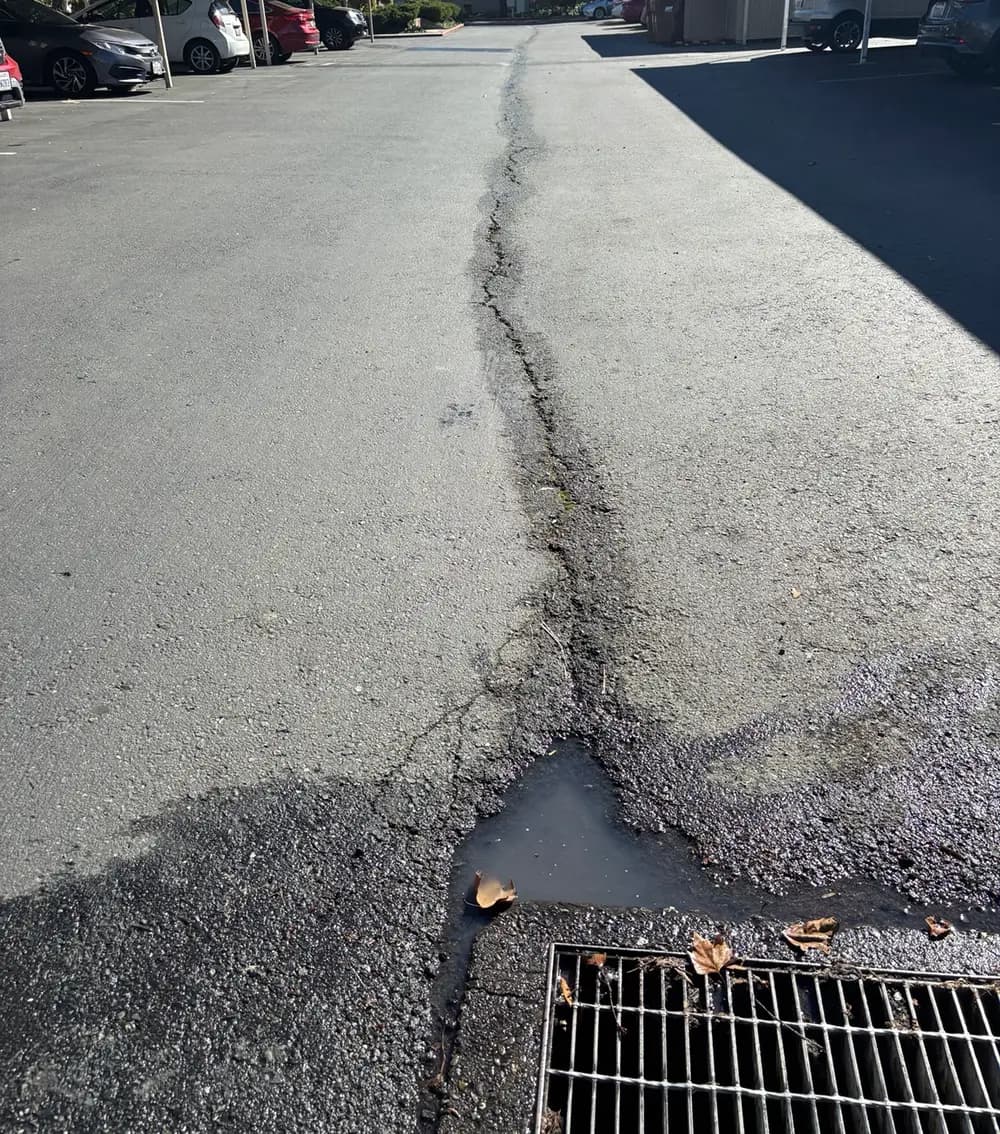
Property-owner guide
Updated July 12, 2026
How Drainage Affects Pavement Life
Why drainage is the biggest factor in how long pavement lasts, how water damages asphalt from the base up, and why fixing it protects every repair.
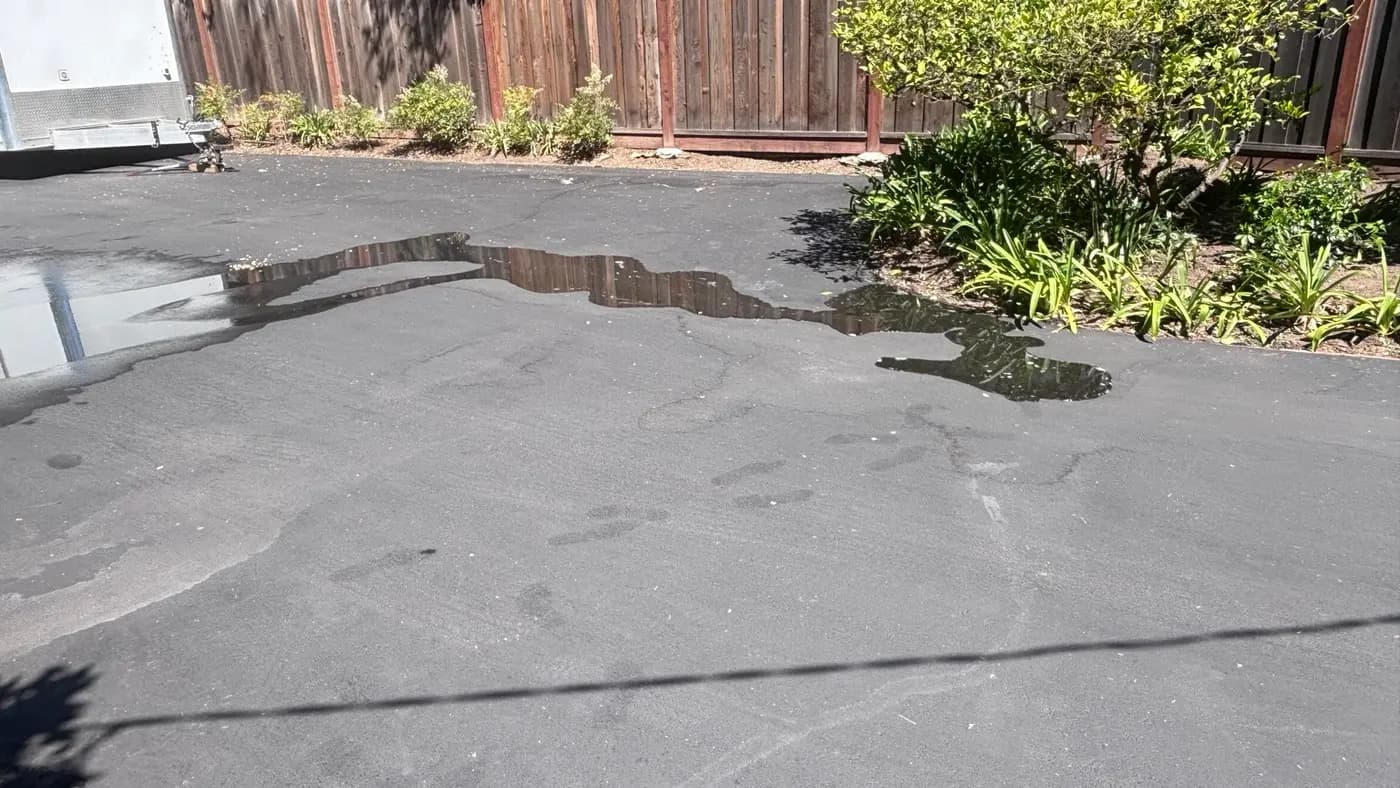
Property-owner guide
Updated July 6, 2026
Parking Lot Drainage Problems: What Property Owners Should Know
Common causes of parking lot drainage problems, why they accelerate pavement damage, and what property owners should ask contractors before a fix.
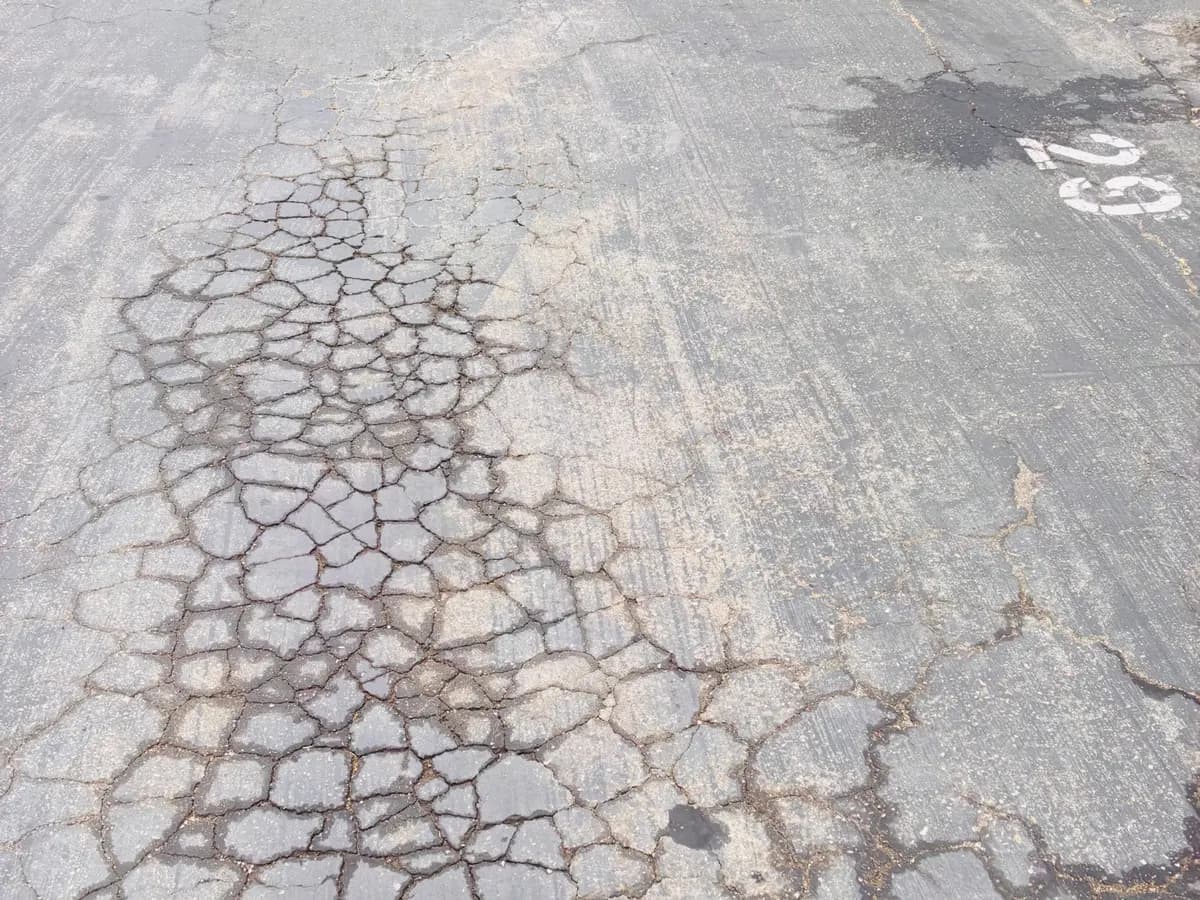
Property-owner guide
Updated July 6, 2026
What Causes Alligator Cracking in Asphalt?
What alligator cracking is, what causes it, whether it can be patched or needs full-depth repair, and why it usually points to a failing base.
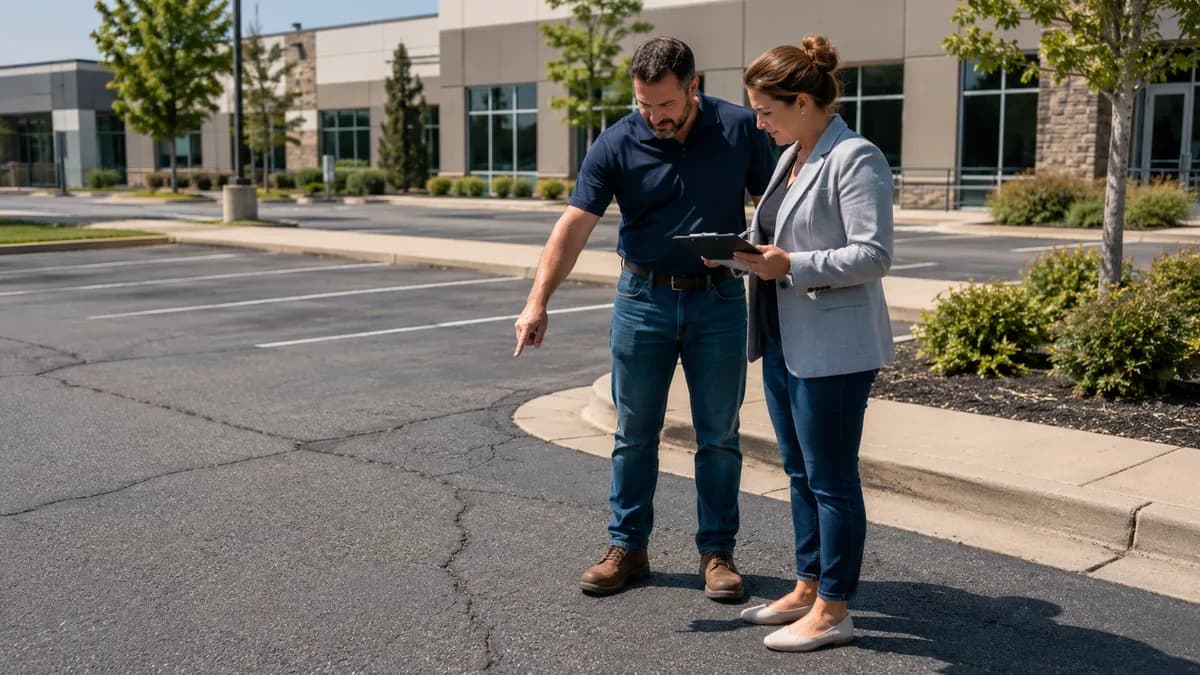
Property-owner guide
Updated July 6, 2026
How to Choose an Asphalt Paving Contractor
How to choose an asphalt paving contractor: project fit, relevant experience, written scope, references, insurance, and pavement qualifications.
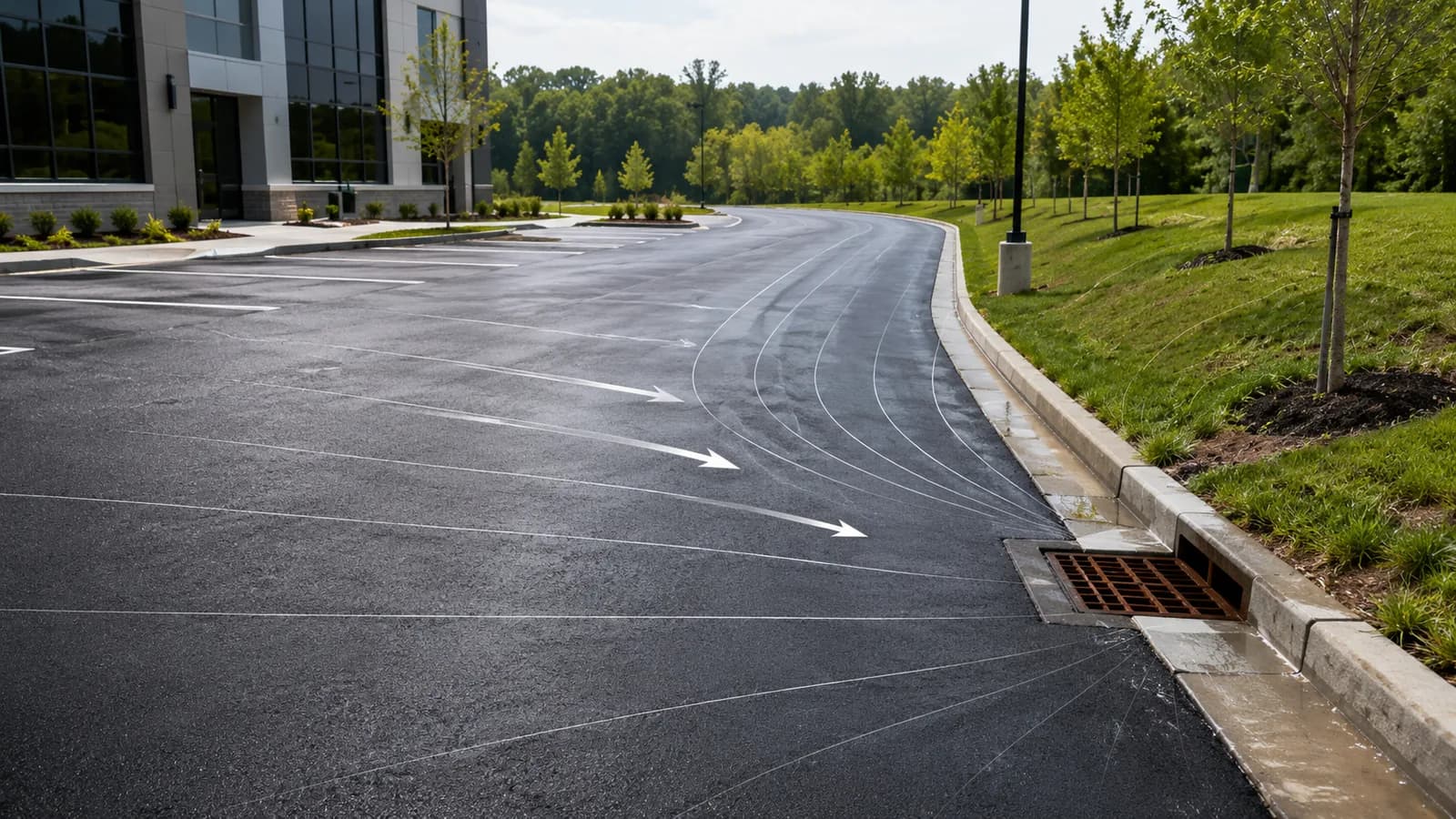
Property-owner guide
Updated July 12, 2026
Grading and Slope Basics for Pavement
Grading and slope basics for pavement: what positive drainage means, why slope matters, common grading problems, and where engineering comes in.
Before you hire: The Pavement Directory does not guarantee contractor performance, pricing, licensing, insurance, or availability. Business information may be submitted by contractors or gathered from public sources and should be independently verified before hiring. Always confirm licensing, insurance, references, scope of work, and written contract terms.
For contractors
Ready to compare North Carolina contractors?
Browse listings by city and service, then use what you have read here to check the scope, the credentials, and the timing before you sign.