
Montana pavement guide
When to Pave, Sealcoat, and Repair in Montana
A season-by-season calendar for Montana: the work that fits each window, what tends to delay it, and what to inspect for before you book a contractor.
- 4 planning windows
- Inspection priorities
- Regional exceptions
Timing
Paving and Maintenance Calendar for Montana
Treat this as a planning aid, not a rule. Whether a given treatment can actually be placed on a given day depends on product requirements, surface and nighttime temperatures, the rain forecast, humidity, plant availability, the project specification, and the contractor’s means and methods.
Winter
Work often suited to this window
- Snow and ice operations, including managing drift and stockpile locations
- Emergency pothole repair, which is more common midwinter here than in most states
- Assessment, budgeting, and securing next season's crew and plant commitments
Scheduling risks
- Paving and surface treatments are generally out of season statewide
- Chinook thaws create workable-looking days that are followed by hard refreezing
- Contractor schedules for the coming season fill during these months
Inspect for: During a chinook thaw, walk the property and note which areas hold meltwater — those are the places the next refreeze will damage, and you will not see it once the snow returns.
Regional exception: West of the Divide chinooks are far less pronounced, so western Montana sees fewer midwinter cycles and more of a conventional single spring thaw.
Spring thaw
Work often suited to this window
- Damage assessment as the surface becomes visible
- Safety repairs and temporary patching
- Confirming scope, pricing, and material orders for the construction season
Scheduling risks
- Subgrade strength is at its annual low, so structural work placed now is unreliable
- Seasonal load restrictions affect hauling and material delivery
- Soft ground limits equipment access on unpaved parts of a site
Inspect for: Map where the pavement broke up and compare it with last year; repeat locations point to drainage, base material, or subgrade movement rather than to the winter.
Construction season
Work often suited to this window
- Paving, reclamation, and full-depth structural repair
- Drainage corrections and structure resetting
- Sealcoating, striping, and accessible route upgrades
Scheduling risks
- Plant availability and haul distance determine which sites can be served on any given day
- The window at elevation is short and books out early
- Harvest and energy sector traffic can conflict with work at rural commercial facilities
Inspect for: Walk truck entrances, scale approaches, and turning areas in the heat of the day, when rutting and shoving are visible rather than inferred.
Regional exception: Butte, Bozeman, and the higher Divide corridor properties lose weeks at each end of this window relative to Billings and the Yellowstone valley.
Fall
Work often suited to this window
- Crack sealing ahead of the chinook season, which is the highest-value work of the year here
- Finishing paving while conditions still allow
- Clearing culverts, ditches, and inlets before winter
Scheduling risks
- The window closes quickly and earlier at elevation and on the Hi-Line
- Whether a given day works depends on the product's stated requirements, surface and overnight temperatures, humidity, and the rain forecast rather than the calendar date
- An early hard freeze can end the season abruptly
Inspect for: Get every crack sealed before winter. In chinook country an open crack faces dozens of freeze-thaw crossings, and the difference between sealed and unsealed shows up within one season.
Montana paving season FAQs
When can paving be done in Montana?
Broadly late spring through early fall, with the Yellowstone valley offering the longest window and the higher Divide corridor and mountain communities the shortest. There is no calendar date at which paving becomes impossible on its own. What decides a given day is the specific product's stated requirements, surface and overnight temperatures, humidity, the rain forecast, plant availability, and the specification. In much of Montana the real constraint is whether a crew and a plant slot can be secured at all for that season.
Timing guides that apply in every state
Property-owner guide
Updated July 6, 2026
When Is Sealcoating Worth It?
When sealcoating provides real value as preventive asphalt maintenance, and the pavement conditions where it makes the most sense.
Property-owner guide
Updated July 11, 2026
When Should You Seal Asphalt Cracks?
When to seal cracks in asphalt — which cracks to seal, the best time of year, why sealing early matters, and how crack sealing fits a maintenance schedule.
Property-owner guide
Updated July 11, 2026
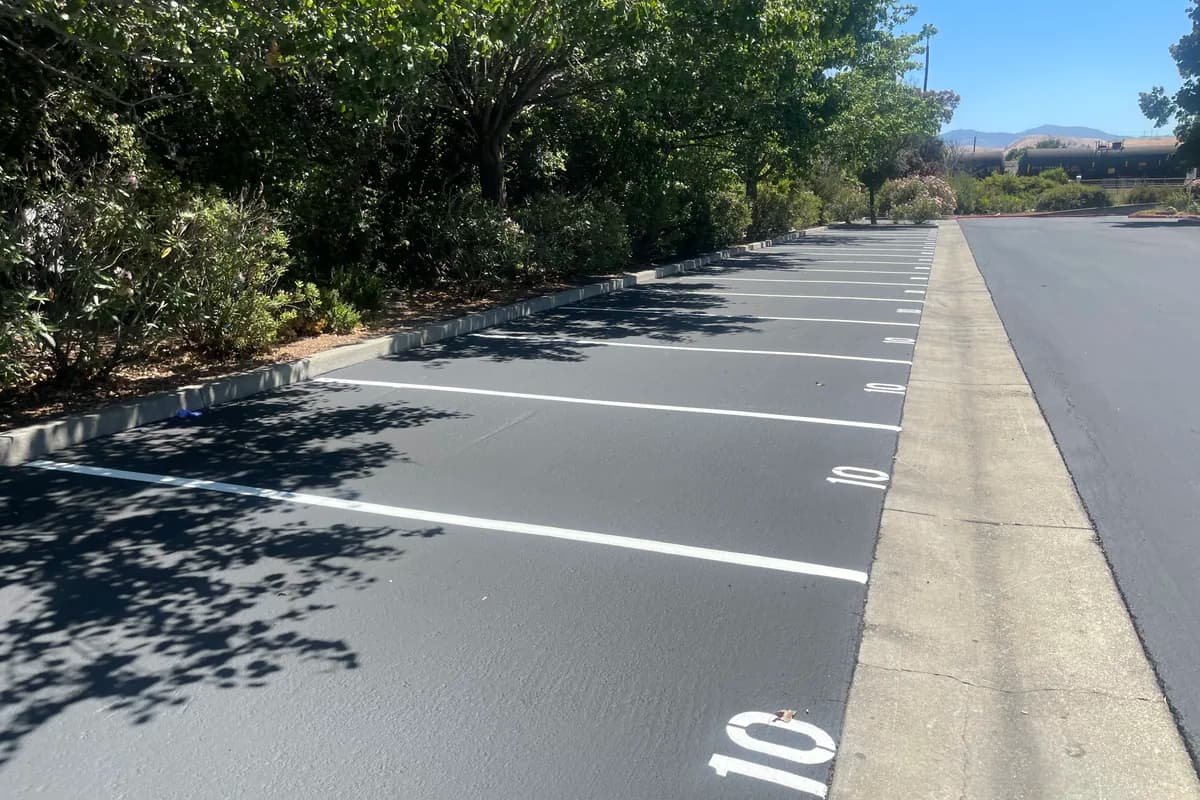
When Should You Restripe a Parking Lot?
How to tell when a parking lot needs restriping — faded lines, worn ADA markings, sealcoating, layout changes — and how often it is typically needed.
Before you hire: The Pavement Directory does not guarantee contractor performance, pricing, licensing, insurance, or availability. Business information may be submitted by contractors or gathered from public sources and should be independently verified before hiring. Always confirm licensing, insurance, references, scope of work, and written contract terms.
For contractors
Ready to compare Montana contractors?
Browse listings by city and service, then use what you have read here to check the scope, the credentials, and the timing before you sign.