
Kansas pavement guide
When to Pave, Sealcoat, and Repair in Kansas
A season-by-season calendar for Kansas: the work that fits each window, what tends to delay it, and what to inspect for before you book a contractor.
- 4 planning windows
- Inspection priorities
- Regional exceptions
Timing
Paving and Maintenance Calendar for Kansas
Treat this as a planning aid, not a rule. Whether a given treatment can actually be placed on a given day depends on product requirements, surface and nighttime temperatures, the rain forecast, humidity, plant availability, the project specification, and the contractor’s means and methods.
Winter
Work often suited to this window
- Crack sealing during cool, dry stretches when cracks are widest
- Snow and ice operations and damage monitoring
- Condition surveys, capital planning, and spring bid preparation
Scheduling risks
- Paving and surface treatments are generally out of season across most of the state
- Frozen and thawing ground makes structural repair unreliable
- Western Kansas frost depth rules out more of the season than the east
Inspect for: Measure crack widths while soils are wettest and cracks are narrowest; the difference from late summer tells you how much the subgrade is moving.
Regional exception: Southeastern Kansas typically has more workable winter days than the High Plains counties in the far west.
Spring
Work often suited to this window
- Full-depth repair of winter damage once subgrade firms up
- Paving and overlays before peak summer heat
- Drainage corrections ahead of the severe storm season
Scheduling risks
- Severe storms and hail can stop work with very little warning
- Thaw-weakened and wet clay subgrade delays structural work
- This is the busiest booking period and lead times stretch
Inspect for: Clear inlets, swales, and outfalls before the peak storm period, and separate surface cracking from base failure before pricing repairs.
Summer
Work often suited to this window
- Sealcoating and surface treatments in hot, dry conditions
- Paving and reconstruction phased around occupancy
- Striping, signage, and accessible route upgrades
Scheduling risks
- High surface temperatures can push placement to early morning
- Afternoon storms interrupt applications, particularly in the east
- School and campus work compresses into the same weeks statewide
Inspect for: Inspect scale approaches, dock areas, and drive aisles during the hottest hours, when rutting and shoving are actually visible.
Fall
Work often suited to this window
- Crack sealing ahead of winter
- Completing paving and overlays in favorable temperatures
- Clearing drainage structures before winter
Scheduling risks
- Harvest traffic limits access at grain and agricultural properties
- Western nights cool quickly and close the window earlier
- Whether a day works depends on the product's requirements, surface and night temperatures, humidity, and the forecast — not the calendar date
Inspect for: Confirm every crack is sealed and every inlet is clear before freeze-up, especially on lots with a history of ponding.
Kansas paving season FAQs
Why do the cracks in my Kansas lot open and close with the season?
Because the clay beneath them changes volume with moisture. Kansas clays swell as they take on water and shrink as they dry, and the state's swing between wet spells and dry ones produces enough movement to crack pavement from below. The signature is cracking that follows no wheel path, widens through a dry late summer, and narrows after wet weather. Repeated rigid patches over ground that keeps moving fail repeatedly. Controlling where water enters the soil and using flexible crack treatments works better.
When can paving be done in Kansas?
Spring and fall generally offer the most comfortable conditions, with summer work common and workable, sometimes shifted earlier in the day because of surface heat. There is no fixed calendar cutoff. What decides any given day is the specific product's requirements, the surface and overnight temperatures, humidity, the rain forecast, plant availability, and the specification. The southeast corner generally has a longer practical window than the northwestern High Plains counties.
Timing guides that apply in every state
Property-owner guide
Updated July 6, 2026
When Is Sealcoating Worth It?
When sealcoating provides real value as preventive asphalt maintenance, and the pavement conditions where it makes the most sense.
Property-owner guide
Updated July 11, 2026
When Should You Seal Asphalt Cracks?
When to seal cracks in asphalt — which cracks to seal, the best time of year, why sealing early matters, and how crack sealing fits a maintenance schedule.
Property-owner guide
Updated July 11, 2026
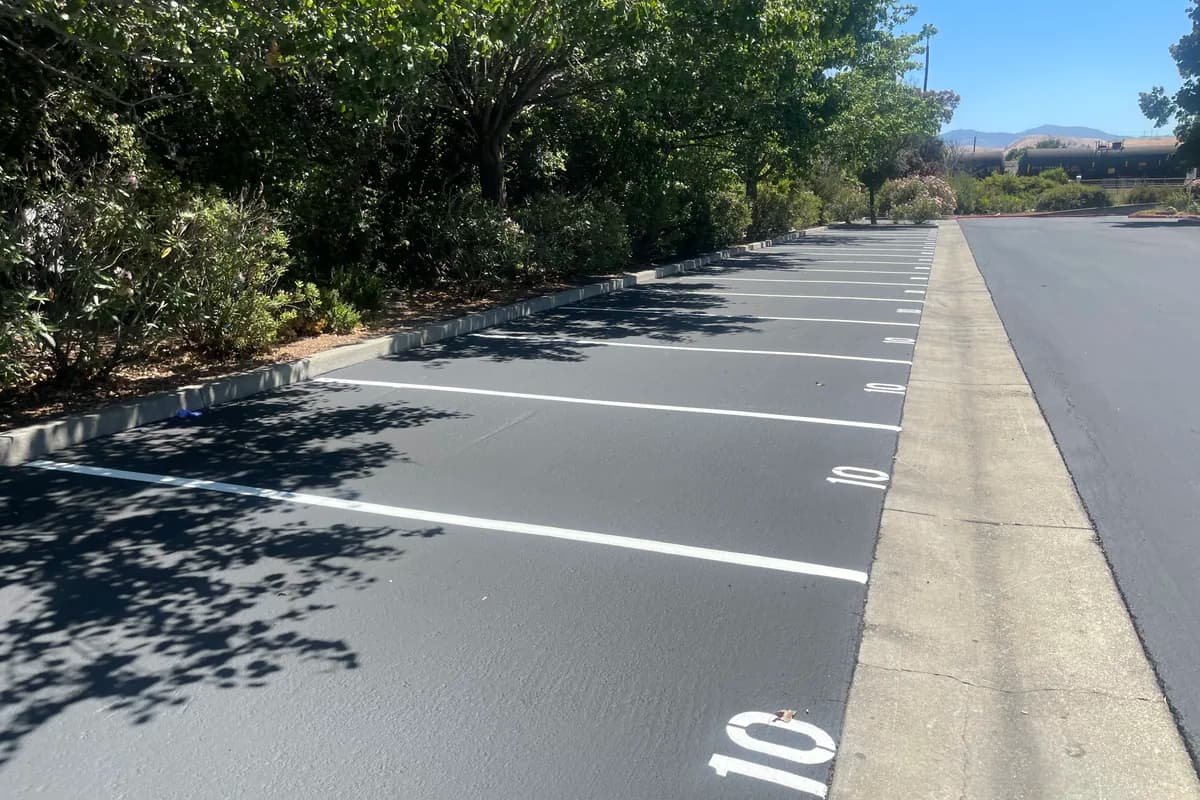
When Should You Restripe a Parking Lot?
How to tell when a parking lot needs restriping — faded lines, worn ADA markings, sealcoating, layout changes — and how often it is typically needed.
Before you hire: The Pavement Directory does not guarantee contractor performance, pricing, licensing, insurance, or availability. Business information may be submitted by contractors or gathered from public sources and should be independently verified before hiring. Always confirm licensing, insurance, references, scope of work, and written contract terms.
For contractors
Ready to compare Kansas contractors?
Browse listings by city and service, then use what you have read here to check the scope, the credentials, and the timing before you sign.