
Idaho pavement guide
When to Pave, Sealcoat, and Repair in Idaho
A season-by-season calendar for Idaho: the work that fits each window, what tends to delay it, and what to inspect for before you book a contractor.
- 4 planning windows
- Inspection priorities
- Regional exceptions
Timing
Paving and Maintenance Calendar for Idaho
Treat this as a planning aid, not a rule. Whether a given treatment can actually be placed on a given day depends on product requirements, surface and nighttime temperatures, the rain forecast, humidity, plant availability, the project specification, and the contractor’s means and methods.
Winter
Work often suited to this window
- Snow and ice operations and watching for damage as it develops
- Emergency pothole repair and trip hazard mitigation
- Assessment, budgeting, and getting into next season's schedule
Scheduling risks
- Paving and surface treatments are generally out of season, more strictly at elevation than in the Treasure Valley
- Frozen and thawing ground makes structural repair unreliable
- Panhandle sites stay wet as well as cold, which limits work further
Inspect for: Note where plowed snow is stockpiled and where its meltwater crosses the pavement; on irrigated sites, note which areas stayed damp even with the water shut off.
Regional exception: Sun Valley, McCall, and the mountain communities are effectively out of season through this whole period, while the Treasure Valley sees workable stretches.
Spring
Work often suited to this window
- Full-depth repair of winter damage once the subgrade firms up
- Paving and overlays as temperatures stabilize
- Drainage corrections and structure resetting ahead of the irrigation season
Scheduling risks
- Thaw-weakened subgrade makes early structural work unreliable
- Rain-on-snow events in the Palouse and the Panhandle can produce major runoff with little warning
- Irrigation turn-on can reintroduce subgrade moisture just as work is starting
Inspect for: Walk outfalls and edges after the first significant runoff event and look for gullying that started this year, before it becomes undermining.
Summer
Work often suited to this window
- Paving, reconstruction, and heavy structural repair
- Sealcoating and surface treatments in reliably dry conditions
- Striping, signage, and accessible route upgrades
Scheduling risks
- The mountain window is short and books out early
- Harvest traffic in the Palouse and agricultural loading statewide can conflict with site work
- High surface temperatures in southern Idaho affect placement and traffic release timing
Inspect for: Walk truck entrances, scale approaches, and drive-through lanes during the hottest part of the day, when rutting and shoving are visible rather than inferred.
Regional exception: The Panhandle's reliable dry stretch is noticeably shorter than southern Idaho's, so its construction calendar is genuinely narrower.
Fall
Work often suited to this window
- Crack sealing ahead of sustained freezing
- Completing paving while conditions still allow it
- Clearing inlets, ditches, culverts, and outfalls before winter
Scheduling risks
- Elevation and the Panhandle close the window several weeks earlier than the Treasure Valley
- Whether a given day works depends on the product's stated requirements, surface and overnight temperatures, humidity, and the rain forecast rather than the calendar date
- Harvest and processing traffic peaks at agricultural facilities during this period
Inspect for: Confirm cracks are sealed and drainage structures are clear before freezing; on loess sites, confirm outfall armoring is intact before the wet season.
Idaho paving season FAQs
When can paving be done in Idaho?
Broadly spring through fall, with the Treasure Valley offering the longest workable window, the Panhandle a narrower one because of moisture rather than cold, and the central mountains the shortest of all. No calendar date makes paving impossible on its own. What decides a given day is the specific product's stated requirements, surface and overnight temperatures, humidity, the rain forecast, plant availability, and the specification. In mountain and rural Idaho, whether a crew and plant slot exist at all is often the binding question.
Timing guides that apply in every state
Property-owner guide
Updated July 6, 2026
When Is Sealcoating Worth It?
When sealcoating provides real value as preventive asphalt maintenance, and the pavement conditions where it makes the most sense.
Property-owner guide
Updated July 11, 2026
When Should You Seal Asphalt Cracks?
When to seal cracks in asphalt — which cracks to seal, the best time of year, why sealing early matters, and how crack sealing fits a maintenance schedule.
Property-owner guide
Updated July 11, 2026
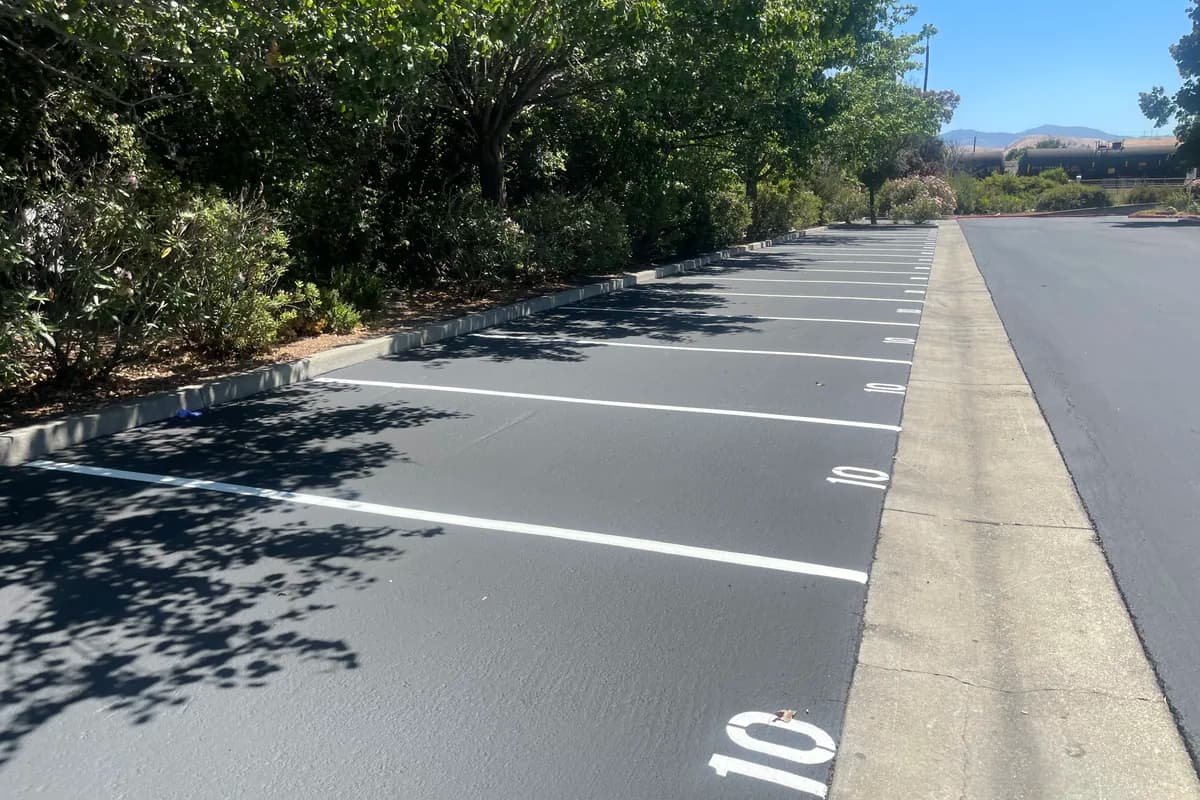
When Should You Restripe a Parking Lot?
How to tell when a parking lot needs restriping — faded lines, worn ADA markings, sealcoating, layout changes — and how often it is typically needed.
Before you hire: The Pavement Directory does not guarantee contractor performance, pricing, licensing, insurance, or availability. Business information may be submitted by contractors or gathered from public sources and should be independently verified before hiring. Always confirm licensing, insurance, references, scope of work, and written contract terms.
For contractors
Ready to compare Idaho contractors?
Browse listings by city and service, then use what you have read here to check the scope, the credentials, and the timing before you sign.