
Georgia pavement guide
When to Pave, Sealcoat, and Repair in Georgia
A season-by-season calendar for Georgia: the work that fits each window, what tends to delay it, and what to inspect for before you book a contractor.
- 4 planning windows
- Inspection priorities
- Regional exceptions
Timing
Paving and Maintenance Calendar for Georgia
Treat this as a planning aid, not a rule. Whether a given treatment can actually be placed on a given day depends on product requirements, surface and nighttime temperatures, the rain forecast, humidity, plant availability, the project specification, and the contractor’s means and methods.
Winter
Work often suited to this window
- Crack sealing during cool, dry stretches
- Assessments, budgeting, and planning
- Repairs during mild spells
Scheduling risks
- Ice events can shut down properties briefly without a sustained freeze
- Persistent winter rain keeps clay subgrade wet
- North Georgia is colder than the metro and much colder than the coast
Inspect for: Note where water stands after winter rain and how long it takes to clear.
Regional exception: North Georgia mountain properties see genuine freeze-thaw; coastal Georgia essentially does not.
Spring
Work often suited to this window
- Paving, overlays, and reconstruction
- Drainage corrections ahead of summer storms
- Striping and accessibility work
Scheduling risks
- Severe storms can stop work with little warning
- Pollen season affects coating and marking adhesion more than people expect
- Demand peaks and lead times stretch
Inspect for: Separate winter surface damage from base failure, and identify root-related damage before it is repaved over.
Summer
Work often suited to this window
- Sealcoating and surface treatments in dry, hot stretches
- Paving with attention to placement temperature
- Night work on high-traffic retail and logistics sites
Scheduling risks
- Afternoon storms interrupt work regularly
- High humidity extends cure times for coatings and markings
- Tropical systems can affect the coast from late summer onward
Inspect for: Walk truck courts and dock areas during the hottest hours looking for rutting and shoving.
Fall
Work often suited to this window
- Inlet and drainage clearing as canopy debris peaks
- Crack sealing before north Georgia's winter
- Final paving in favorable conditions
Scheduling risks
- Leaf and pine straw fall can clog drainage faster than it is cleared
- Night temperatures begin limiting surface treatments in the north
Inspect for: Clear every inlet and grate — this is the season Georgia drainage systems fail from debris rather than capacity.
Timing guides that apply in every state
Property-owner guide
Updated July 6, 2026
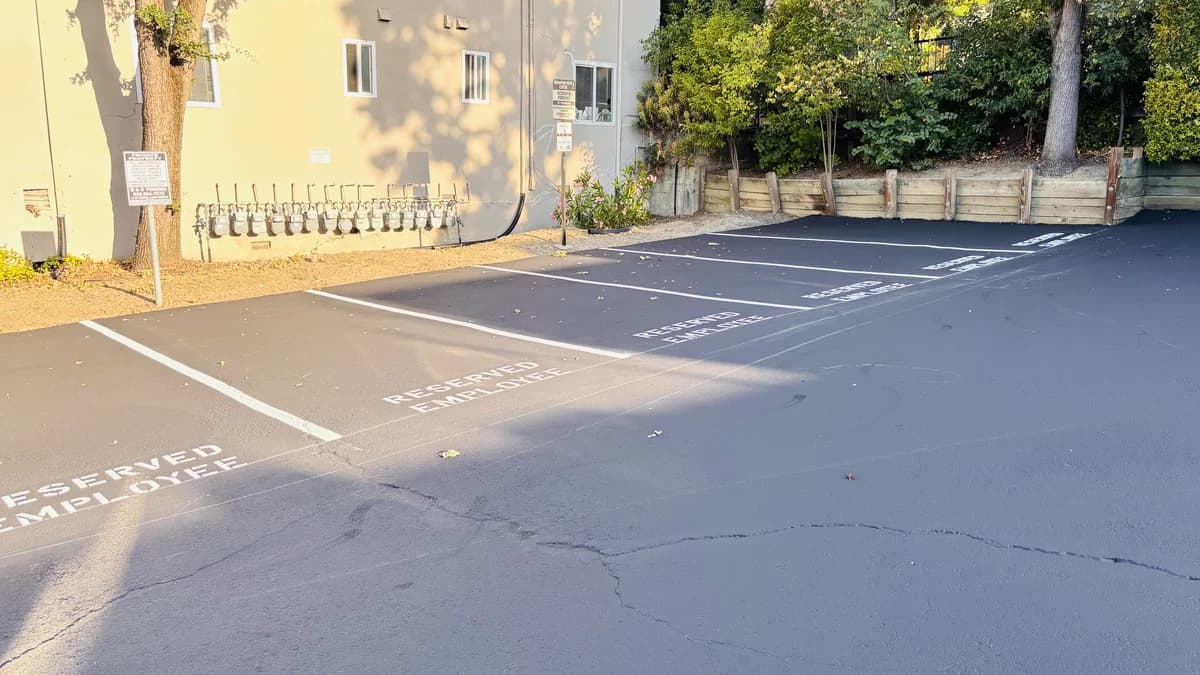
When Is Sealcoating Worth It?
When sealcoating provides real value as preventive asphalt maintenance, and the pavement conditions where it makes the most sense.
Property-owner guide
Updated July 11, 2026
When Should You Seal Asphalt Cracks?
When to seal cracks in asphalt — which cracks to seal, the best time of year, why sealing early matters, and how crack sealing fits a maintenance schedule.
Property-owner guide
Updated July 11, 2026
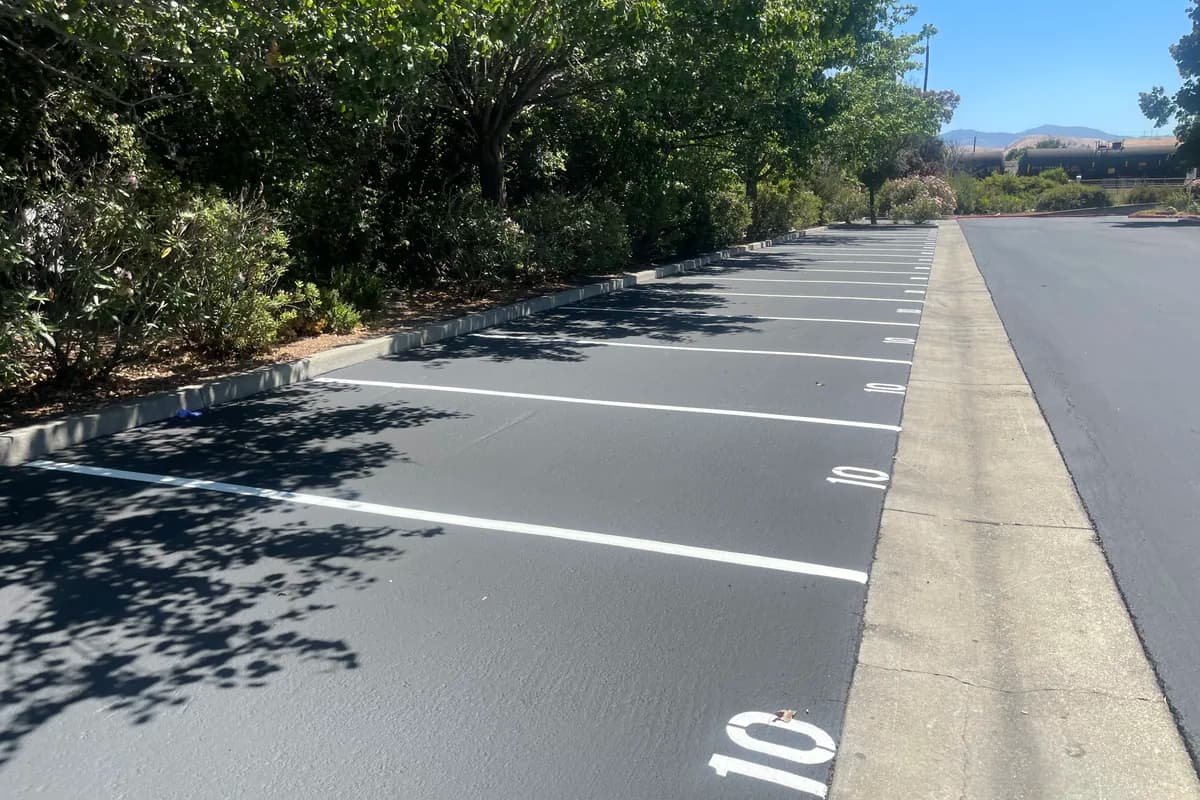
When Should You Restripe a Parking Lot?
How to tell when a parking lot needs restriping — faded lines, worn ADA markings, sealcoating, layout changes — and how often it is typically needed.
Before you hire: The Pavement Directory does not guarantee contractor performance, pricing, licensing, insurance, or availability. Business information may be submitted by contractors or gathered from public sources and should be independently verified before hiring. Always confirm licensing, insurance, references, scope of work, and written contract terms.
For contractors
Ready to compare Georgia contractors?
Browse listings by city and service, then use what you have read here to check the scope, the credentials, and the timing before you sign.