
Georgia pavement guide
Pavement Conditions in Georgia: Regions, Soils, and Common Problems
Georgia pavement is worn out by water in clay, roots underneath, and truck traffic that arrived after the lot was built.
- 4 regions
- 5 common problems
- 6 local terms
Jump to section
Regional differences
Pavement Conditions by Region in Georgia
Georgia does not have one climate or one soil profile, and pavement that performs well in one part of the state can fail early a few hours away. These are the divisions that matter most when scoping paving, repair, or maintenance work.
Metro Atlanta and the Piedmont
Atlanta · Marietta · Alpharetta · Athens · Gainesville
Environmental stress
- Heavy rainfall on sites with meaningful grade
- Hot, humid summers with strong UV
- Occasional ice events rather than sustained freezing
- Very heavy distribution and interstate truck traffic
Subgrade conditions
- Red clay residual soils over weathered rock
- Micaceous soils that behave poorly when wet in some areas
- Variable fill on rapidly redeveloped parcels
Common distress
- Alligator cracking where clay subgrade stays saturated
- Root heaving along tree lines and islands
- Erosion at pavement edges on sloped sites
What it means for the work
- Drainage correction usually precedes surface work
- Root management has to be planned, not improvised mid-project
- Distribution-corridor loading calls for a heavier section at truck areas
Coastal Georgia
Savannah · Brunswick · St. Marys · Richmond Hill
Environmental stress
- High groundwater and tidal influence in low-lying areas
- Tropical storm and hurricane exposure
- Salt air along the immediate coast
- Port-driven heavy truck traffic
Subgrade conditions
- Sandy coastal soils with a high water table
- Organic and marsh-adjacent soils on many parcels
- Fill over former wetland in developed areas
Common distress
- Base saturation and rapid pothole formation
- Rutting on port drayage routes
- Storm-related washout and edge undermining
What it means for the work
- Base drainage design controls how long the work lasts
- Port loading is a design load, not a variable
- Hurricane season shapes scheduling from summer into fall
Coastal Plain and south Georgia
Macon · Albany · Valdosta · Tifton
Environmental stress
- Hot, humid summers with heavy convective rainfall
- Agricultural and timber equipment traffic
- Long growing season keeping vegetation pressure high
Subgrade conditions
- Sandy and sandy-clay soils with better drainage than the Piedmont
- Locally poor drainage in flatwoods areas
- Agricultural ground with variable compaction
Common distress
- Edge break-up under heavy equipment turning off pavement
- Ponding in flat areas with no outlet
- Surface oxidation on unshaded lots
What it means for the work
- Flat sites need designed positive drainage, not minimal slope
- Harvest-season loading concentrates into a few weeks
- Longer haul distances to plants affect cost and scheduling
North Georgia mountains
Dalton · Blue Ridge · Dahlonega · Clayton
Environmental stress
- Real winter freeze-thaw cycling at elevation
- Very heavy rainfall in the mountain counties
- Steep terrain concentrating runoff
Subgrade conditions
- Rocky residual soils over bedrock
- Shallow rock on many hillside parcels
- Steep grades with limited flat working area
Common distress
- Freeze-thaw potholing in late winter
- Erosion and undermining at pavement edges on slopes
- Cracking at transitions between rock and soil subgrade
What it means for the work
- Crack sealing before winter has real value here, unlike Savannah
- Concentrated runoff needs a designed flow path
- Rock excavation can dominate hillside project cost
Field conditions
Common Pavement Problems in Georgia
Saturated clay subgrade
Alligator cracking and potholes in the lower areas of a lot, pavement that feels soft after wet periods, and repairs that fail in the same spots year after year.
Likely causes
- Red clay holding water rather than draining it
- Grading with no positive fall to an outlet
- Base material with too many fines to drain
When to get it looked at: Repeat failure in the same low areas is a drainage problem. Confirm the base is actually dry before agreeing to another overlay over it.
Root intrusion and heaving
Pavement lifted into ridges radiating from a tree, cracking along island edges, and asphalt breaking up beneath mature canopy.
Likely causes
- Roots growing beneath pavement toward moisture and air
- Trees planted in islands too small for their mature root system
- Irrigation near pavement edges drawing roots toward it
When to get it looked at: Repaving over live roots buys a few years at best. Root management, root barriers, or a decision about the tree itself needs to be part of the plan before the pavement is replaced.
Organic debris blocking drainage
Inlets that back up during storms and low areas that pond, especially in fall when canopy debris is heaviest and rainfall is still substantial.
Likely causes
- Leaf litter, pine straw, and seed debris filling inlets and grates
- Sediment accumulating in structures over time
- Inlets never being inspected between rain events
When to get it looked at: If inlets back up before they should, the system may have capacity on paper but not in practice. Cleaning ahead of the fall is cheaper than the base repairs that follow.
Distribution corridor rutting
Deep wheel paths and shoving at dock aprons, truck courts, and turning areas around metro Atlanta and Savannah logistics facilities.
Likely causes
- Slow, heavy, channelized truck loading
- High summer pavement temperatures reducing mix stiffness
- Sections built for lighter traffic than the site now carries
When to get it looked at: Rutting concentrated where trucks stop and turn is a structural and mix question. A resurfacing that ignores that generally repeats within a few summers.
Slope erosion at pavement edges
Water cutting channels along the low side of a lot, undermining the perimeter, and depositing sediment downslope after intense storms.
Likely causes
- Real grade concentrating flow rather than spreading it
- Intense rainfall exceeding what the edge condition can handle
- Unprotected edges with no shoulder or confinement
Property types
Common Pavement Projects in Georgia
Distribution and logistics centers
Metro Atlanta and I-75/I-85 corridor facilities concentrate slow, heavy truck movements at docks and truck courts, where rutting and base failure appear years before the parking field wears out.
Port and drayage facilities
Savannah-area sites carry container traffic on coastal soils with limited bearing capacity, making subgrade and base preparation the controlling cost.
Apartment and townhome communities
Mature canopy over private drives produces root heaving and blocked drainage, and both are frequently repaved over rather than addressed.
Retail centers and grocery-anchored properties
Large lots on clay subgrade develop drainage-driven cracking, and phasing around continuous operation is usually the largest schedule constraint.
Agricultural and timber facilities
South Georgia operations concentrate heavy seasonal equipment loading at entrances and turning areas with limited edge support.
Plain English
Pavement Terms You May Encounter in Georgia
| Term | What it means on a Georgia project |
|---|---|
| Superpave | The mix design system used to match binder grade and aggregate structure to expected traffic and temperature. Georgia suppliers use this vocabulary when discussing heavy-duty mixes for truck areas. |
| Graded aggregate base (GAB) | The compacted crushed stone base layer used across Georgia. On clay subgrade its thickness and drainage quality usually matter more to pavement life than the asphalt above it. |
| Open-graded friction course (OGFC) | A porous surface layer used on Georgia highways to shed water quickly. It appears in regional vocabulary but is rarely appropriate for a private parking lot. |
| Geotextile separation fabric | Fabric between subgrade and base that keeps clay from pumping up into the stone. On wet Piedmont clay it can make a real difference to how long a pavement lasts. |
| Root barrier | A physical barrier installed to redirect tree roots downward and away from pavement. In a state with Georgia's canopy, this belongs in the conversation before pavement is replaced near mature trees. |
| Full-depth reclamation (FDR) | Pulverizing existing asphalt and base together, treating the blend, and repaving over it. Useful on larger Georgia lots where the base has failed. |
State transportation specifications can provide useful regional terminology and material references, but they do not automatically govern private parking-lot or driveway projects unless incorporated into the contract or required by the applicable jurisdiction.
More definitions are in the pavement glossary.
Before you sign
Questions to Ask a Paving Contractor in Georgia
- How will drainage be corrected so the clay subgrade stops staying saturated?
- Is geotextile separation or subgrade stabilization included in this section?
- What is the plan for the tree roots under this pavement — barrier, removal, or repaving over them?
- Are the truck court and dock areas being built to a heavier section than the parking field?
- How will inlets be protected during construction and cleared before the fall debris season?
- Does this project need a local land disturbance permit, and who is obtaining it?
- Are there stream buffer requirements affecting the low side of this property?
- Which Georgia license do you hold, and does it cover this scope at this project value?
- Will certified erosion control personnel be on site, and is that included in your price?
Georgia pavement condition FAQs
Why does Georgia red clay cause pavement failure?
Piedmont red clay drains poorly, so water that gets into the pavement structure tends to stay there. A saturated clay subgrade loses much of its bearing strength, and pavement that handled its traffic in a dry stretch starts flexing and cracking once the ground beneath is wet. The result is alligator cracking concentrated in the lower areas of a lot. Fixing the drainage is what makes a repair last; adding asphalt over wet clay usually is not.
Can tree roots really damage a parking lot?
Yes, and in Georgia it is one of the more common causes of pavement damage that gets misdiagnosed. Roots grow beneath pavement toward moisture and air, and as they thicken they lift the surface into ridges, usually radiating from the tree and cracking along island edges. Repaving over live roots buys a few years at most. Root barriers, selective root pruning, or a decision about the tree itself has to be part of the plan before the pavement is replaced.
Why do my parking lot drains back up in the fall?
Georgia's tree canopy drops a large volume of leaves, pine straw, and seed debris in autumn, and it lands on and around inlets right when rainfall is still substantial. A drainage system that has adequate capacity on paper will not perform if the grates are covered. Clearing inlets ahead of and during the fall is one of the highest-return maintenance tasks on a Georgia property, because the base damage that follows a season of ponding is far more expensive.
Why does the truck court fail before the rest of my lot?
Because it carries a completely different load. Slow, heavy, channelized truck movements at docks and turning areas impose far more stress than parked cars, and high summer pavement temperatures reduce the mix's resistance to deformation at exactly the wrong time. Rutting and shoving concentrated in those areas is a structural and mix question. Building the truck areas to a heavier section than the parking field is usually the more economical answer than resurfacing everything on a short cycle.
Is pavement maintenance different in north Georgia than in Savannah?
Yes. North Georgia mountain properties experience real freeze-thaw cycling, which makes crack sealing before winter meaningful maintenance. Savannah and the coastal counties essentially do not freeze; their concerns are high groundwater, tidal influence, storm exposure, and port-driven truck loading. Metro Atlanta sits between the two, with ice events rather than sustained freezing and clay drainage as the dominant issue.
Related reading for Georgia property owners
Property-owner guide
Updated July 12, 2026
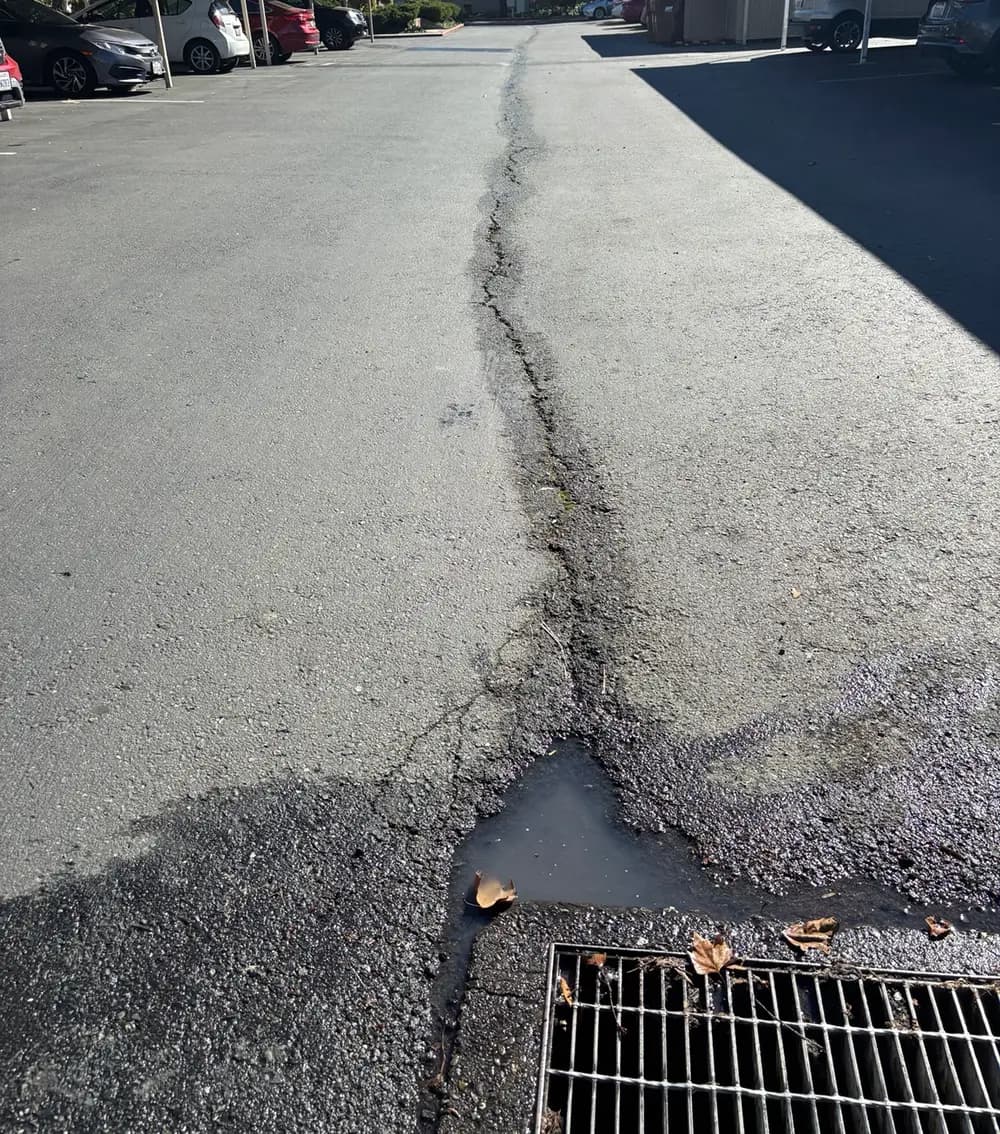
How Drainage Affects Pavement Life
Why drainage is the biggest factor in how long pavement lasts, how water damages asphalt from the base up, and why fixing it protects every repair.
Property-owner guide
Updated July 6, 2026
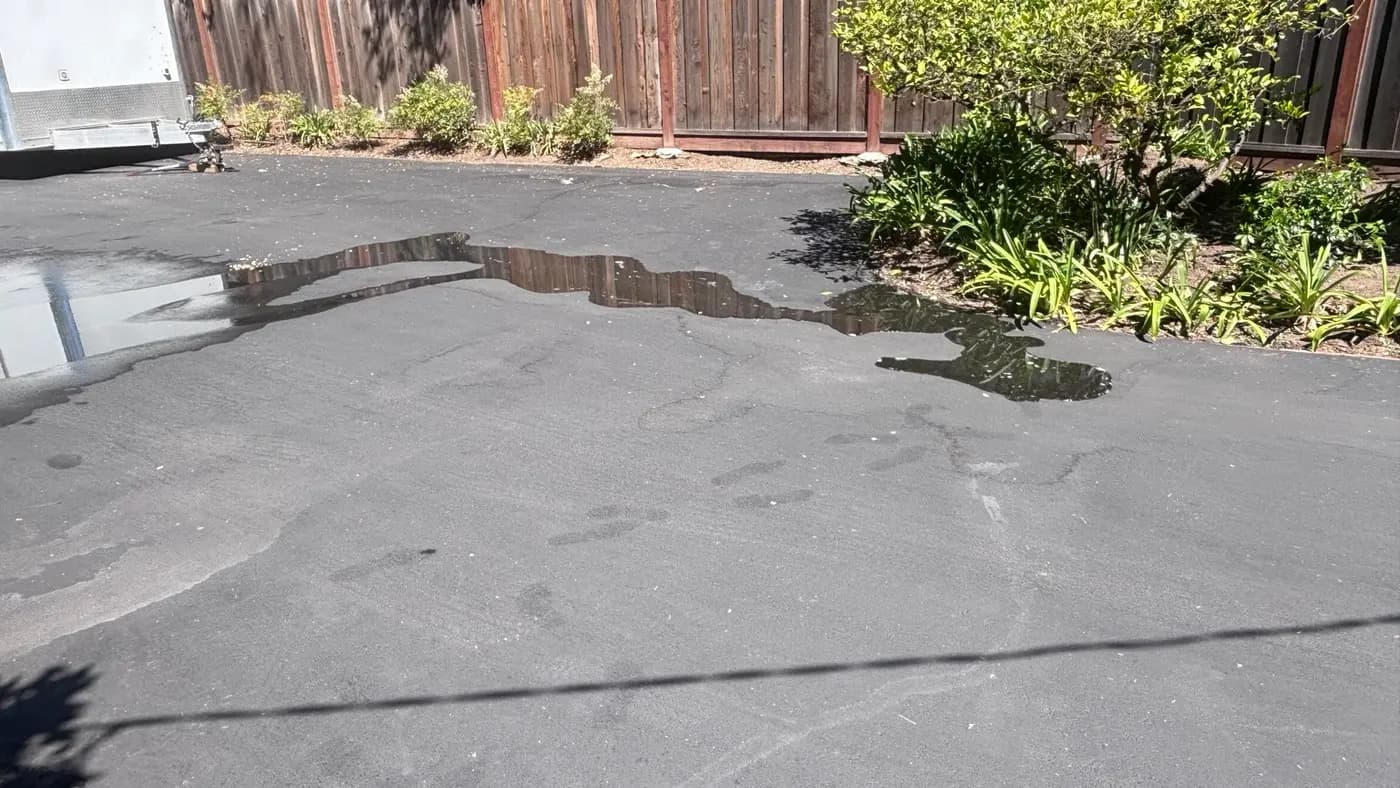
Parking Lot Drainage Problems: What Property Owners Should Know
Common causes of parking lot drainage problems, why they accelerate pavement damage, and what property owners should ask contractors before a fix.
Property-owner guide
Updated July 6, 2026
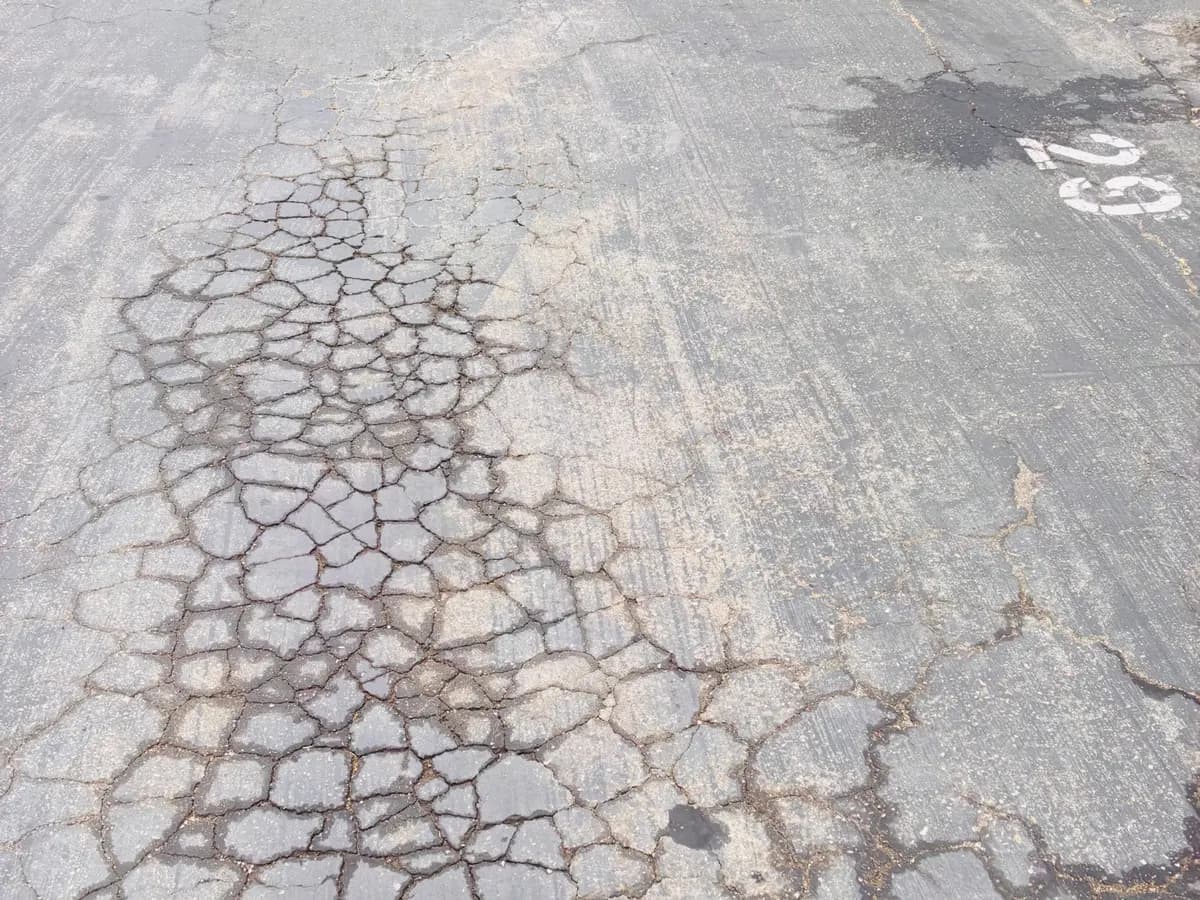
What Causes Alligator Cracking in Asphalt?
What alligator cracking is, what causes it, whether it can be patched or needs full-depth repair, and why it usually points to a failing base.
Property-owner guide
Updated August 30, 2026
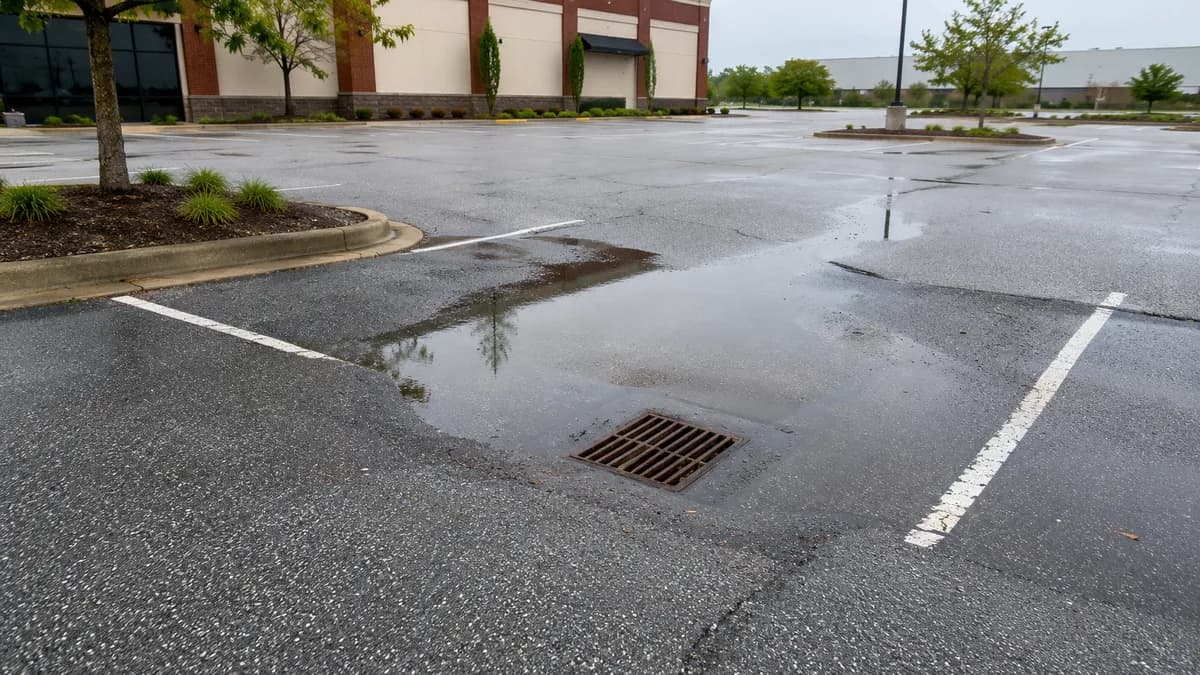
Commercial Parking Lot Maintenance Guide
How to inspect, preserve, repair, and budget for a commercial parking lot: lifecycle stages, treatments, drainage, ADA, scoping, and multi-year plans.
Property-owner guide
Updated July 12, 2026
How to Choose a Drainage and Sitework Contractor
How to choose a drainage and sitework contractor: one who diagnoses the cause of water problems and knows when an engineer is needed.
Before you hire: The Pavement Directory does not guarantee contractor performance, pricing, licensing, insurance, or availability. Business information may be submitted by contractors or gathered from public sources and should be independently verified before hiring. Always confirm licensing, insurance, references, scope of work, and written contract terms.
For contractors
Ready to compare Georgia contractors?
Browse listings by city and service, then use what you have read here to check the scope, the credentials, and the timing before you sign.