

What this guide covers
Drainage work goes wrong when the contractor treats a symptom instead of the water's actual path — so the thing to screen for is whether they diagnose the cause and know their limits.
This is the hiring anchor for the drainage hub. For what the fixes themselves look like, see parking lot drainage solutions; to understand the stakes, see how drainage affects pavement life.
Ready to compare companies? Browse drainage and sitework contractors by market and specialty.
Related contractor categories
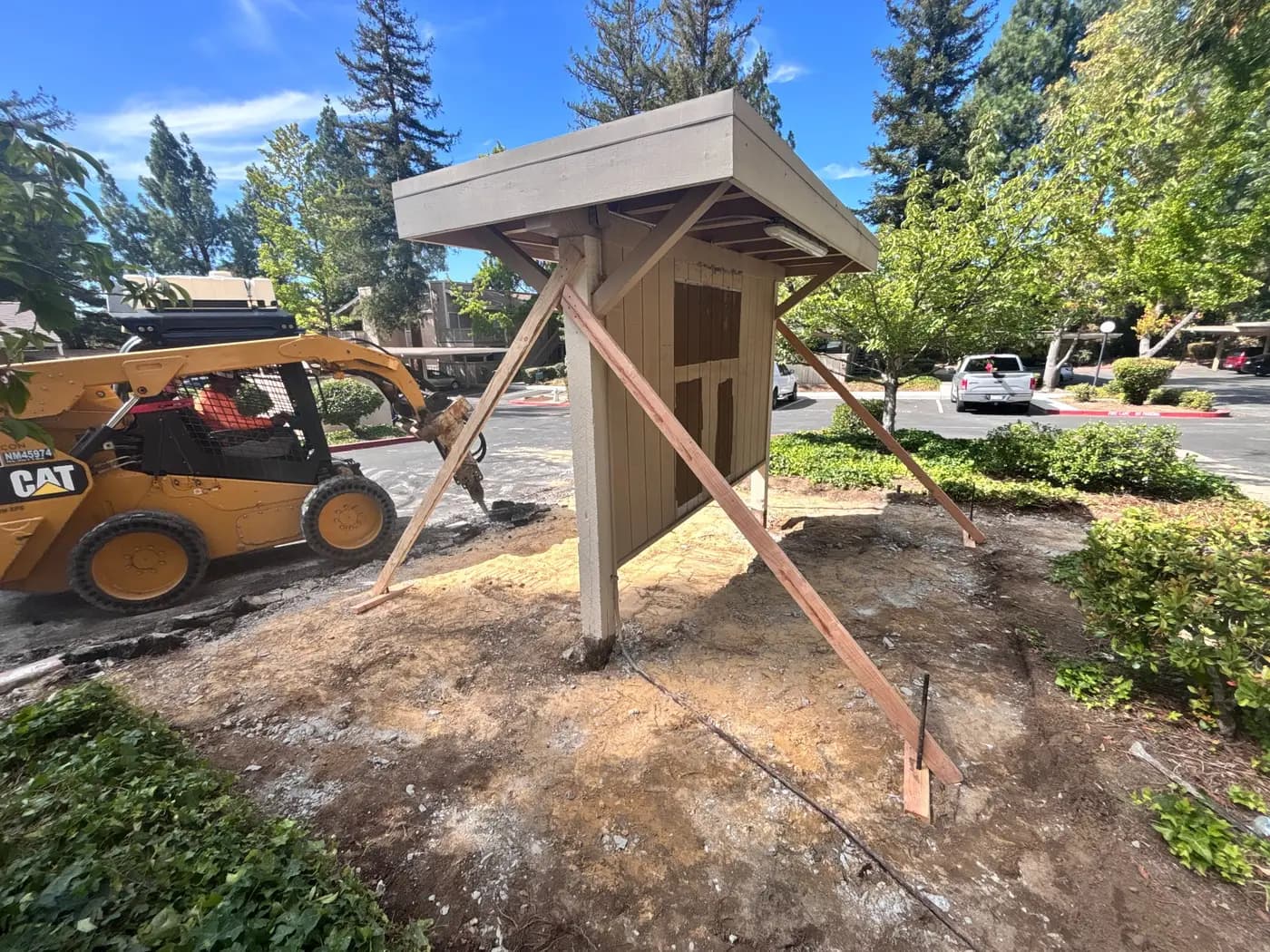
Diagnose the water, not just the puddle
The most important skill is diagnosis. Standing water is a symptom; the cause could be a low spot, a settled area, a clogged or undersized drain, a grade that runs the wrong way, or a downstream blockage. A contractor who walks the site, traces where water comes from and where it needs to go, and explains that path is far more likely to solve the problem than one who proposes a product before understanding it.
Know when an engineer or designer is needed
Some drainage work is straightforward — regrading a low spot, adding a catch basin, cleaning a line. Other work involves stormwater capacity, permits, retention or detention, or tie-ins to municipal systems, which can require a civil engineer or a design professional. A trustworthy contractor tells you when a job crosses into that territory rather than guessing. This guide and the directory are educational — site-specific drainage design and permitting are decisions for qualified professionals.
Can they coordinate with pavement work?
Drainage problems and pavement problems are usually connected, so the fix often needs to be sequenced with paving or concrete. A contractor who can coordinate regrading, drainage structures, and the asphalt or concrete that goes over them — or clearly manage those trades — saves you from a drainage fix that gets torn up by the paving crew, or paving that traps water again. See how drainage ties into concrete repair and asphalt work.
Common mistakes when hiring
Avoid these when shortlisting a drainage contractor:
- Hiring someone who proposes a product before diagnosing the water's path
- Not asking whether the job needs an engineer, permit, or stormwater design
- Treating a symptom (one puddle) without addressing the cause
- Failing to coordinate the drainage fix with paving or concrete work
- Accepting a scope that doesn't say where the water will go
- Overlooking downstream capacity — moving water to a spot that also floods
Frequently asked questions
What's the most important thing when hiring a drainage contractor?
That they diagnose the water's source and path before proposing a fix. Standing water is a symptom, and solving it means understanding where the water comes from and where it needs to go.
Does drainage work need a civil engineer?
Sometimes. Simple regrading or adding a catch basin often doesn't, but stormwater capacity, permits, retention, or municipal tie-ins can require an engineer or designer. A good contractor tells you when a job crosses that line.
Should the same contractor handle drainage and paving?
Not necessarily the same crew, but the work must be coordinated. A drainage fix and the paving over it need to be sequenced so one doesn't undo the other.
How do I know if a drainage contractor is any good?
They walk the site, trace the water's path, explain the cause, and are honest about when an engineer is needed. Be cautious of anyone who proposes a product before understanding the problem.
Before you hire: The Pavement Directory does not guarantee contractor performance, pricing, licensing, insurance, or availability. Business information may be submitted by contractors or gathered from public sources and should be independently verified before hiring. Always confirm licensing, insurance, references, scope of work, and written contract terms.
For property owners
Looking for a pavement contractor?
Use The Pavement Directory to search asphalt, concrete, sealcoating, striping, ADA access, and pavement maintenance contractors by service and location. Always verify license, insurance, references, and written scope before hiring.
Search contractorsFor contractors
Are you a pavement contractor?
Contractors can add or claim a company profile to help property owners find pavement professionals by service, location, and specialty.