
Florida pavement guide
Pavement Conditions in Florida: Regions, Soils, and Common Problems
Florida pavement is a groundwater and drainage problem first, a materials problem second.
- 4 regions
- 5 common problems
- 6 local terms
Jump to section
Regional differences
Pavement Conditions by Region in Florida
Florida does not have one climate or one soil profile, and pavement that performs well in one part of the state can fail early a few hours away. These are the divisions that matter most when scoping paving, repair, or maintenance work.
South Florida
Miami · Fort Lauderdale · West Palm Beach · Hialeah
Environmental stress
- Very high water table, in places within a few feet of the surface
- Intense UV and year-round heat with no winter recovery period
- Direct hurricane and tropical storm exposure
- Salt air along the coastal strip
Subgrade conditions
- Sand and limestone with shallow rock
- Fill over former wetland on many developed parcels
- Groundwater that rises seasonally into the pavement structure
Common distress
- Alligator cracking where the base has stayed saturated
- Rapid surface oxidation and raveling on unshaded lots
- Settlement around inlets and utility structures
What it means for the work
- Base drainage and exfiltration design matter more than asphalt thickness
- Dense development means phased night work on occupied properties
- Concrete is common for dumpster pads and heavy-duty areas for durability
Central Florida
Orlando · Lakeland · Kissimmee · Ocala
Environmental stress
- Frequent intense afternoon convective storms
- High summer heat with strong UV
- Very heavy tourism and distribution traffic around the Orlando corridor
Subgrade conditions
- Deep sands with generally good drainage
- Karst limestone with sinkhole potential in parts of the region
- Variable fill on rapidly developed parcels
Common distress
- Localized settlement and depressions over karst features
- Rutting in bus, coach, and delivery lanes at high-volume properties
- Surface oxidation on large, unshaded parking fields
What it means for the work
- Recurring localized settlement is a geotechnical question, not a patching one
- Very large parking fields need staged work to keep properties operating
- Drainage design has to handle intense short-duration rainfall
Tampa Bay and the Gulf Coast
Tampa · St. Petersburg · Sarasota · Fort Myers · Naples
Environmental stress
- Storm surge and coastal flooding exposure
- High humidity and heavy summer rainfall
- Salt exposure near the water
Subgrade conditions
- Sandy coastal soils with a high water table
- Organic and mucky soils in low-lying areas
- Known sinkhole activity in parts of the Tampa Bay region
Common distress
- Flood-related base washout and undermining after storms
- Depressions and abrupt settlement over karst
- Corrosion-related deterioration of metal drainage structures
What it means for the work
- Post-storm assessment should look beneath the surface, not just at it
- Salt exposure is a durability factor for concrete and hardware
- Recurring depressions warrant investigation before repaving
North Florida and the Panhandle
Jacksonville · Tallahassee · Pensacola · Gainesville
Environmental stress
- Occasional winter freezes, unlike the peninsula
- Heavy rainfall including tropical systems in the Gulf
- Rolling terrain that concentrates runoff
Subgrade conditions
- Sandy clays and clayey sands with more fines than South Florida
- Rolling topography with erosion-prone slopes
- Higher, better-drained ground than the peninsula in many areas
Common distress
- Edge erosion and undermining on sloped sites
- Limited freeze-thaw cracking in the coldest winters
- Rutting on port and industrial truck routes around Jacksonville
What it means for the work
- Grading and erosion control carry more weight here than on flat peninsula sites
- Winter placement windows narrow slightly compared to South Florida
- Port-adjacent freight loading changes the section design
Field conditions
Common Pavement Problems in Florida
High groundwater weakening the base
Alligator cracking, spongy areas underfoot, and rapid pothole formation in a lot that has not seen any change in traffic. Damage clusters in the lowest parts of the lot and gets worse through the wet season.
Likely causes
- A seasonal high water table rising into the pavement base
- Base material with too many fines to drain
- Blocked or undersized exfiltration and drainage structures
When to get it looked at: If failures return in the same low areas after each repair, the base is holding water. Ask for the base to be evaluated — including whether it is wet at the time of the repair — before agreeing to another overlay.
Sinkhole and karst-related settlement
A localized depression that deepens over months, sometimes with circular cracking around it, in an otherwise sound lot. Common in parts of Central Florida and the Tampa Bay region.
Likely causes
- Dissolution of underlying limestone creating voids
- Soil raveling downward into those voids
- Concentrated stormwater infiltration accelerating the process
When to get it looked at: A depression that keeps growing after being patched is not a pavement problem. Stop patching and get a geotechnical evaluation — filling it repeatedly can mask a condition that matters for the structure nearby.
Storm flooding and base washout
After a tropical system, pavement edges undermine, sections drop, and material is visibly displaced around inlets and along the perimeter — often with little surface damage to indicate how much support was lost.
Likely causes
- Floodwater moving through and beneath the pavement structure
- Surge and prolonged inundation on coastal properties
- Debris blocking drainage during the peak of the storm
When to get it looked at: After a major storm, have edges, inlets, and any area that dropped evaluated before reopening heavy traffic — the surface can look intact over a washed-out base.
UV oxidation on unshaded lots
Pavement grays out and the surface becomes rough and porous within a few years, faster than owners moving from northern states expect.
Likely causes
- Year-round high UV with no cool recovery season
- Large unshaded parking fields
- Long intervals between surface treatments
Settlement around inlets and utility structures
Dips and cracking rings around drainage structures, manholes, and utility cuts, often producing standing water exactly where the water was supposed to leave.
Likely causes
- Backfill that was never compacted to match the surrounding subgrade
- Water migrating along utility trenches
- Corroded or failing structures losing their surround
Property types
Common Pavement Projects in Florida
Tourism and hospitality properties
Resorts, attractions, and hotels carry coach and shuttle traffic in defined lanes, so rutting concentrates while the rest of the lot looks fine, and work has to be phased around continuous occupancy.
Condominium and HOA communities
Private drives and guest parking age quickly under Florida UV, and reserve funding cycles usually determine whether the next step is a surface treatment or a rehabilitation.
Distribution and port facilities
Jacksonville, Tampa, and Miami freight sites concentrate heavy truck loads on ground with limited bearing capacity, making base preparation the controlling cost.
Coastal and waterfront properties
Salt exposure, storm surge, and prolonged inundation attack the base and hardware more than the surface, so post-storm evaluation should look below the pavement.
Retail centers and grocery-anchored properties
Large unshaded parking fields oxidize quickly, and the drainage system serving them is often an engineered retention or exfiltration design that repaving can disturb.
Plain English
Pavement Terms You May Encounter in Florida
| Term | What it means on a Florida project |
|---|---|
| Structural course and friction course | Florida specifications distinguish the load-carrying asphalt layers from the thin surface layer that provides texture and drainage. On a private lot the distinction matters mainly when a proposal offers a thin surface layer as if it were structural repair. |
| Limerock base | Crushed limestone used widely as base material in Florida. It performs well when kept dry and confined, and poorly when it stays saturated — which is why base drainage is such a persistent theme here. |
| Exfiltration trench | A perforated pipe in stone that lets stormwater soak into the ground rather than discharge to a pipe network. Common on Florida sites, and easily damaged or buried during repaving if the crew does not know it is there. |
| Superpave | The mix design system used to select asphalt binder grade and aggregate structure for expected traffic and temperature. It is the vocabulary suppliers use when discussing which mix suits a heavily loaded Florida site. |
| Reclaimed asphalt pavement (RAP) | Milled asphalt reincorporated into new mix. Routine and specification-controlled; the meaningful question is what the mix design allows, not whether RAP is present at all. |
| Milling | Grinding off a controlled depth of existing asphalt before resurfacing. On Florida sites it matters for maintaining drainage elevations and door and curb clearances that overlays would otherwise raise. |
State transportation specifications can provide useful regional terminology and material references, but they do not automatically govern private parking-lot or driveway projects unless incorporated into the contract or required by the applicable jurisdiction.
More definitions are in the pavement glossary.
Before you sign
Questions to Ask a Paving Contractor in Florida
- How will you evaluate groundwater and base moisture conditions before deciding between resurfacing and reconstruction?
- Is the existing base wet right now, and how would you know?
- How will sudden afternoon rainfall affect placement and curing on this project, and what happens if a storm hits mid-pour?
- Does this property have an exfiltration trench, underdrain, or permitted retention system, and how will your work protect it?
- How is hurricane-season scheduling handled, and what is the plan if a named storm interrupts the work?
- Are you licensed to perform this work in this specific county or city, and can I see the local license as well as any state registration?
- If we are seeing a recurring depression, has anything been done to rule out a karst or subsurface cause?
- Will milling be needed to preserve drainage elevations and door clearances, or are you proposing to overlay?
- Is your insurance certificate coming directly from the carrier, and does it include workers' compensation?
Florida pavement condition FAQs
How does Florida's high groundwater affect parking lots?
Across much of Florida the seasonal high water table sits close to the surface, which means the base layer under a parking lot can be saturated from below even in the absence of surface ponding. A wet base loses strength, so traffic that the pavement handled easily in the dry season starts producing alligator cracking and potholes in the wet season. This is why Florida projects put so much weight on base drainage, exfiltration systems, and grading, and why resurfacing over a wet base tends to fail early.
What causes a growing depression in a Central Florida parking lot?
Parts of Central Florida and the Tampa Bay region sit on karst limestone, where dissolution can create voids and the soil above gradually ravels down into them. That produces a localized depression that keeps deepening after each patch, sometimes with circular cracking around it. A depression that returns after repair is a geotechnical question, not a paving one — repeated filling can hide a condition worth understanding.
What should I check on my lot after a hurricane?
Look beyond the surface. Floodwater moving through and beneath pavement can wash out base material and undermine edges while leaving the surface looking largely intact. Check pavement edges, areas around inlets and structures, any section that has dropped, and whether drainage is still flowing where it should. Get undermined areas evaluated before returning heavy traffic to them, and be cautious about crews soliciting repair work door-to-door in the days after a storm.
Why does asphalt in Florida gray out so quickly?
Year-round high UV exposure with no cool recovery season dries the asphalt binder faster than in northern climates, and Florida's large unshaded parking fields get the full effect. The surface fades, becomes rough and porous, and starts shedding fine aggregate. Surface protection on a shorter cycle than a northern property would use is a reasonable response — but sealer over a surface that is already raveling badly is a short-lived fix, so condition matters more than the calendar.
Does salt air damage pavement in coastal Florida?
The asphalt surface itself is less affected than people assume; salt exposure matters more for concrete, embedded reinforcement, metal drainage structures, and hardware such as bollards and light bases. On coastal properties it is worth including those elements in a pavement assessment rather than looking only at the asphalt, since a failing drainage structure will damage the pavement around it.
Related reading for Florida property owners
Property-owner guide
Updated July 6, 2026
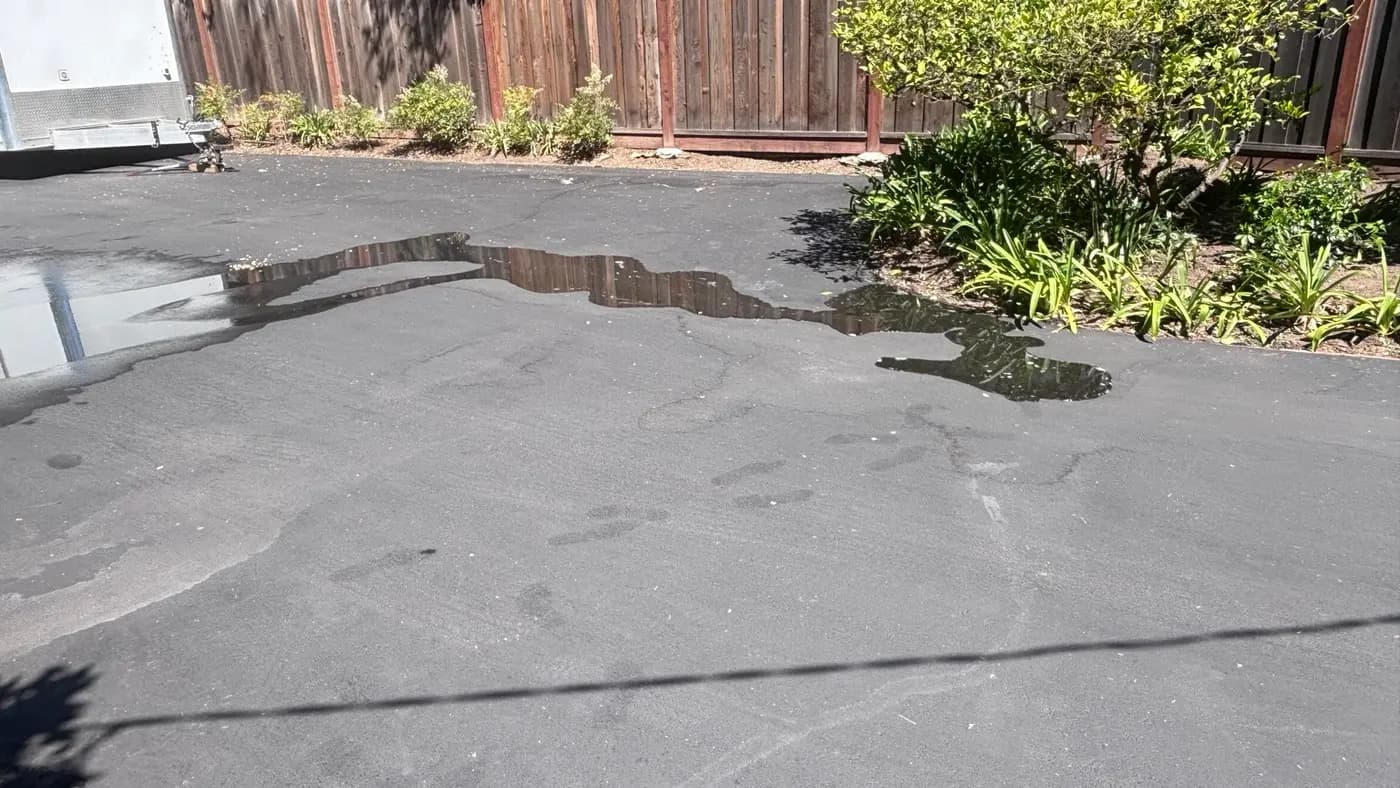
Parking Lot Drainage Problems: What Property Owners Should Know
Common causes of parking lot drainage problems, why they accelerate pavement damage, and what property owners should ask contractors before a fix.
Property-owner guide
Updated July 12, 2026
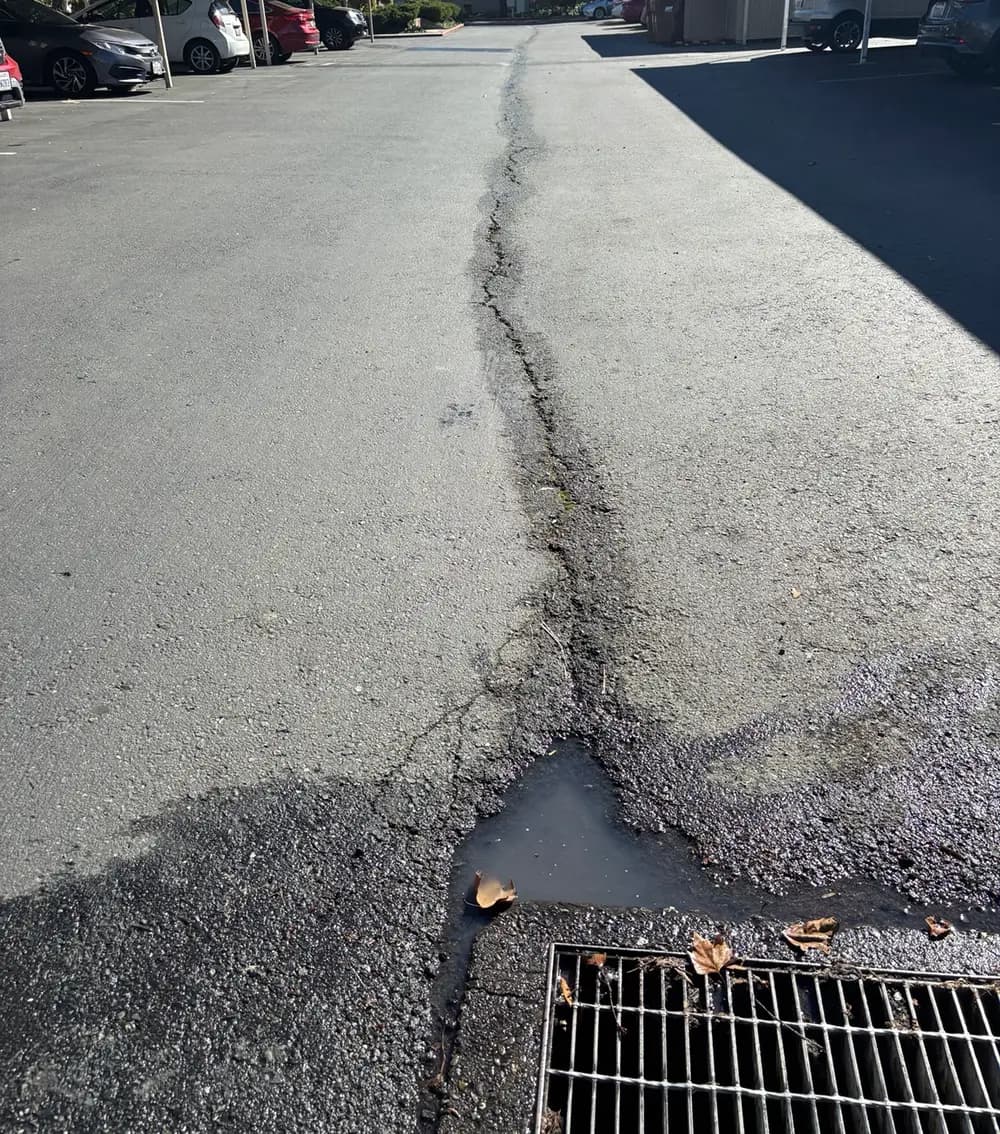
How Drainage Affects Pavement Life
Why drainage is the biggest factor in how long pavement lasts, how water damages asphalt from the base up, and why fixing it protects every repair.
Property-owner guide
Updated July 6, 2026
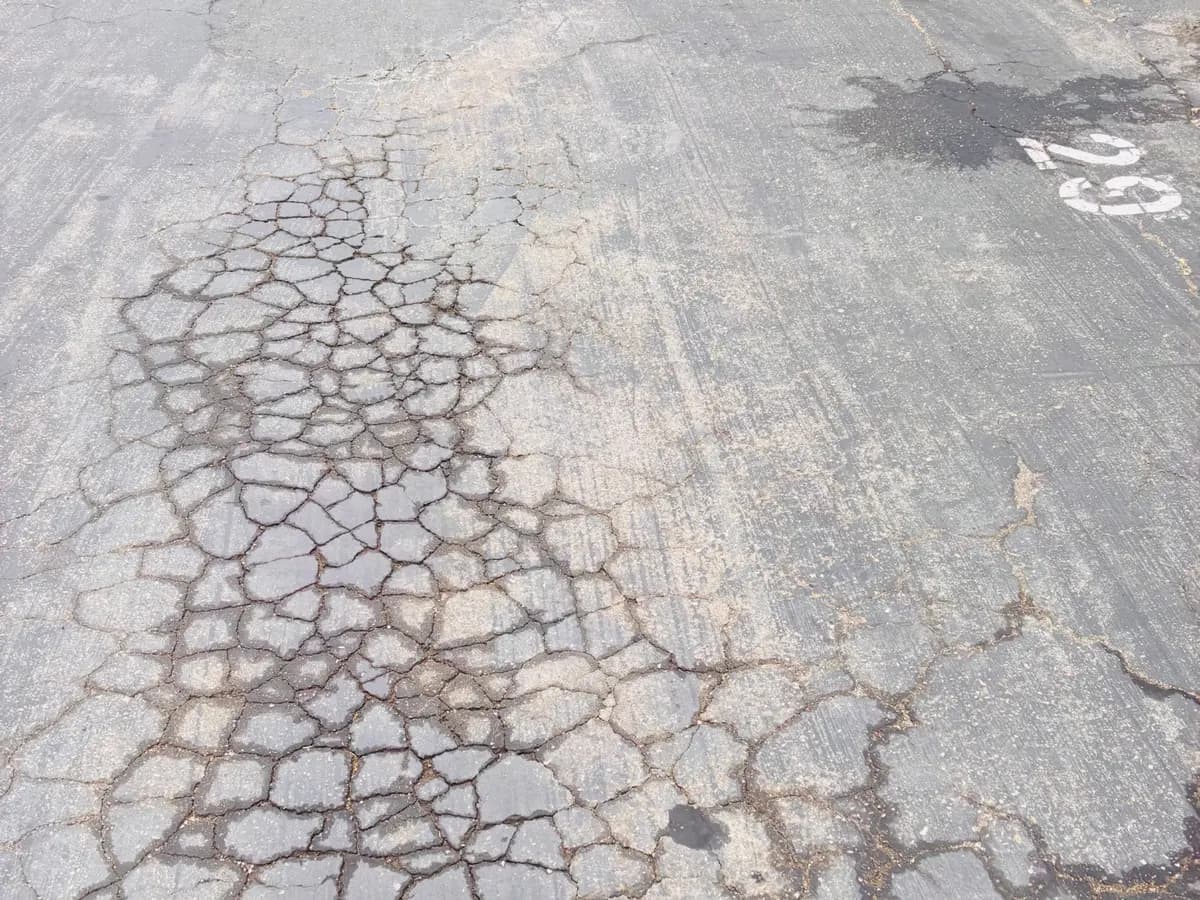
What Causes Alligator Cracking in Asphalt?
What alligator cracking is, what causes it, whether it can be patched or needs full-depth repair, and why it usually points to a failing base.
Property-owner guide
Updated July 6, 2026
How to Choose an Asphalt Paving Contractor
How to choose an asphalt paving contractor: project fit, relevant experience, written scope, references, insurance, and pavement qualifications.
Property-owner guide
Updated August 30, 2026
Commercial Parking Lot Maintenance Guide
How to inspect, preserve, repair, and budget for a commercial parking lot: lifecycle stages, treatments, drainage, ADA, scoping, and multi-year plans.
Property-owner guide
Updated July 11, 2026
Signs Your Parking Lot Needs Maintenance
How to read the warning signs a parking lot needs attention — cracks, potholes, faded striping, ponding, raveling — and what each one means.
Before you hire: The Pavement Directory does not guarantee contractor performance, pricing, licensing, insurance, or availability. Business information may be submitted by contractors or gathered from public sources and should be independently verified before hiring. Always confirm licensing, insurance, references, scope of work, and written contract terms.
For contractors
Ready to compare Florida contractors?
Browse listings by city and service, then use what you have read here to check the scope, the credentials, and the timing before you sign.