
Arizona pavement guide
Pavement Conditions in Arizona: Regions, Soils, and Common Problems
Arizona pavement is aged by ultraviolet exposure and heat far more than by traffic, except where monsoon water gets underneath it.
- 4 regions
- 5 common problems
- 6 local terms
Jump to section
Regional differences
Pavement Conditions by Region in Arizona
Arizona does not have one climate or one soil profile, and pavement that performs well in one part of the state can fail early a few hours away. These are the divisions that matter most when scoping paving, repair, or maintenance work.
Low desert (Sonoran)
Phoenix · Mesa · Tempe · Yuma · Casa Grande
Environmental stress
- Extreme summer air temperatures with far higher pavement surface temperatures
- Very high year-round UV with minimal cloud cover
- Violent monsoon storms concentrated in a few weeks
Subgrade conditions
- Sandy and gravelly alluvium that generally drains well
- Caliche-cemented layers at varying depths
- Locally expansive clays in some valley areas
Common distress
- Severe binder oxidation, graying, and surface raveling
- Block cracking on lots that went years without surface protection
- Rutting and shoving at truck aprons and stop bars in peak summer
What it means for the work
- Surface protection has more value here than almost anywhere in the country
- Summer placement often shifts to night for temperature control
- Caliche excavation can change site work cost significantly
High country and Mogollon Rim
Flagstaff · Show Low · Payson · Pinetop-Lakeside
Environmental stress
- Heavy snowfall and repeated freeze-thaw cycling
- Plowing and cinder application through winter
- A construction season compressed into the snow-free months
Subgrade conditions
- Volcanic cinders and basaltic soils around Flagstaff
- Shallow rock on many parcels
- Frost-susceptible fines where drainage is poor
Common distress
- Potholes and edge break-up after spring thaw
- Plow gouging on curbs, transitions, and raised features
- Markings and thin treatments worn away in a single winter
What it means for the work
- Book paving and sealcoating early; the season is genuinely short
- Cinder and abrasive cleanup is a spring maintenance line item
- Durable marking materials pay for themselves where plows run
Transition zone and central highlands
Prescott · Sedona · Cottonwood · Globe
Environmental stress
- Wide day-to-night temperature swings
- Occasional freezing without full northern winter conditions
- Steep terrain concentrating storm runoff
Subgrade conditions
- Decomposed granite and rocky soils
- Variable rock depth across a single site
- Erosion-prone slopes with thin soil cover
Common distress
- Thermal and block cracking from temperature cycling
- Erosion and undermining at pavement edges on slopes
- Cracking at transitions between rock and soil subgrade
What it means for the work
- Runoff needs a designed path, not just a slope away from the building
- Rock excavation can dominate cost on hillside parcels
- Conditions here fall between the desert and mountain playbooks — ask which one the contractor is applying
Colorado Plateau and northeastern Arizona
Page · Winslow · Holbrook · Kayenta
Environmental stress
- Large annual temperature range with cold winters and hot summers
- Strong wind and blowing sand
- Intense but infrequent storm runoff on sparsely vegetated ground
Subgrade conditions
- Sandy and silty soils, locally with expansive shale-derived clays
- Blowing sand accumulation at edges and inlets
- Long distances between aggregate sources and asphalt plants
Common distress
- Thermal cracking from the wide temperature range
- Sand accumulation blocking drainage and abrading the surface
- Washouts and sediment deposition after storms
What it means for the work
- Material haul distance can be the dominant project cost
- Work on tribal lands involves separate approval processes — confirm early
- Sand removal is an ongoing maintenance task, not a one-time cleanup
Field conditions
Common Pavement Problems in Arizona
UV oxidation and surface raveling
Asphalt turns light gray within a few years, the surface feels coarse, and loose stone collects along curbs after sweeping. It arrives faster in the low desert than owners from other states expect.
Likely causes
- Sustained high surface temperatures and extreme UV drying the binder
- Long intervals between surface treatments
- Thin surface courses placed to hit a low initial price
When to get it looked at: If loose aggregate comes up across broad areas rather than in isolated spots, the surface may be too far gone for sealer to help. Get it evaluated before spending on a coating that will not bond.
Monsoon runoff damage
After a monsoon storm, sediment fills inlets, pavement edges undermine, and water cuts channels along the low side of the lot — sometimes from a single event.
Likely causes
- Very high rainfall intensity over a short period on low-absorption ground
- Undersized or sediment-blocked inlets
- Unpaved shoulders and unprotected edges with no confinement
When to get it looked at: Clear inlets before monsoon season, not after. Photograph water flow during a storm — that is the information no dry-day site walk can produce.
Summer rutting and shoving
Wheel-path depressions and pushed-up ridges at stop bars, dock aprons, and turning areas, most visible in July and August when the pavement is at its hottest.
Likely causes
- Extreme pavement surface temperatures reducing mix stiffness
- Slow, heavy, channelized truck movement
- A mix or section not matched to the site's actual traffic and temperature
When to get it looked at: Rutting concentrated where trucks stop or turn is a section and mix question. Resurfacing without addressing that generally reproduces it within a few summers.
Caliche and subgrade variability
Cracking or settlement in bands across a lot that do not follow traffic, often where a hard cemented layer transitions to softer soil.
Likely causes
- Cemented caliche layers at inconsistent depth across a site
- Excavation that broke through caliche unevenly
- Water perching on top of a cemented layer
Freeze-thaw damage in the high country
Potholes, edge break-up, and joint deterioration in Flagstaff, Prescott, and the White Mountains — a failure mode that has nothing in common with the Phoenix pattern.
Likely causes
- Water entering unsealed cracks and freezing repeatedly
- Snow and cinder operations abrading the surface
- Frost-susceptible material under the pavement
Property types
Common Pavement Projects in Arizona
Distribution and manufacturing facilities
Phoenix-area logistics and semiconductor-related development concentrates heavy truck movement on pavement that also faces the country's most severe surface temperatures.
HOA and active-adult communities
Large private street networks age primarily through UV rather than traffic, so surface protection cycles and reserve planning drive the maintenance program.
Resort and hospitality properties
Appearance matters commercially, work has to be phased around occupancy, and the peak visitor season overlaps with the best working weather.
Mountain resort and recreation properties
Flagstaff and White Mountain properties face snow operations, plow damage, and a short construction season rather than heat aging.
Agricultural and produce facilities
Yuma-area operations concentrate heavy seasonal truck traffic and wash-down water on pavement built for lighter use.
Plain English
Pavement Terms You May Encounter in Arizona
| Term | What it means on a Arizona project |
|---|---|
| Asphalt rubber friction course (ARFC) | A rubberized asphalt surface layer Arizona has used extensively on highways, valued for surface characteristics and noise. On private lots its availability and suitability depend on the supplier and application. |
| Caliche | Naturally cemented calcium carbonate soil found at varying depths across Arizona. It can be excellent bearing material or a costly excavation problem, and it can perch water above it. |
| PG binder grade | The performance grade of the asphalt binder. In the low desert the high-temperature number is what matters for rutting resistance; in Flagstaff, the low-temperature number matters instead. |
| Aggregate base course (ABC) | The compacted crushed rock layer beneath the asphalt. Arizona proposals commonly reference ABC by thickness; that layer usually determines pavement life more than the surface does. |
| Chip seal | An asphalt binder application covered with aggregate, common on rural Arizona roads and some large private roads. It is a surface treatment, not a structural repair. |
| Retention basin | A depression designed to hold stormwater on site rather than discharge it. Widespread in Arizona development, and directly affected when a project changes grading or impervious area. |
State transportation specifications can provide useful regional terminology and material references, but they do not automatically govern private parking-lot or driveway projects unless incorporated into the contract or required by the applicable jurisdiction.
More definitions are in the pavement glossary.
Before you sign
Questions to Ask a Paving Contractor in Arizona
- Which ROC classification are you licensed under, and does it cover commercial work at this property?
- Has the surface oxidized past the point where sealcoating will bond, and how did you determine that?
- How will summer surface temperatures affect placement here, and are you proposing night work?
- What is the plan for drainage and sediment before monsoon season, and is inlet cleaning included?
- Is dust control required for this project, and is the permit or plan included in your price?
- Did you encounter caliche during your evaluation, and how does that affect excavation cost?
- For our high-country property, what binder grade and crack sealing plan are you recommending for winter?
- Will this work change the site's retention or drainage capacity in a way that needs approval?
- Can I see your ROC complaint history and a certificate of insurance from your carrier?
Arizona pavement condition FAQs
Why do asphalt surfaces fade and crack quickly in Arizona?
Year-round intense ultraviolet exposure combined with extreme summer surface temperatures dries out the asphalt binder that holds the aggregate together. As the binder hardens, the pavement loses flexibility, turns from black to light gray, and starts shedding fine stone from the surface. Block cracking follows. It is an aging process driven by sun and heat rather than by traffic, which is why a lightly used Phoenix lot can look worn out while a heavily used lot in a mild climate still looks fine.
Is pavement advice for Phoenix applicable in Flagstaff?
No, and treating them the same is one of the more common mistakes in Arizona. Phoenix pavement ages through heat and UV, with rutting risk in summer. Flagstaff pavement faces snow, plows, cinders, and repeated freeze-thaw, with a construction season limited to the snow-free months. The binder grade that resists rutting in the low desert is not the one that resists cracking at 7,000 feet, and the maintenance calendars have almost nothing in common.
What is caliche and why does it come up on Arizona projects?
Caliche is a naturally cemented calcium carbonate layer found at varying depths across Arizona. It can be strong bearing material, but it is hard to excavate, its depth varies across a site, and water can perch on top of it rather than draining through. All three matter to a paving project: excavation cost, subgrade uniformity, and drainage. If a proposal involves significant excavation, it is worth asking what was found.
Related reading for Arizona property owners
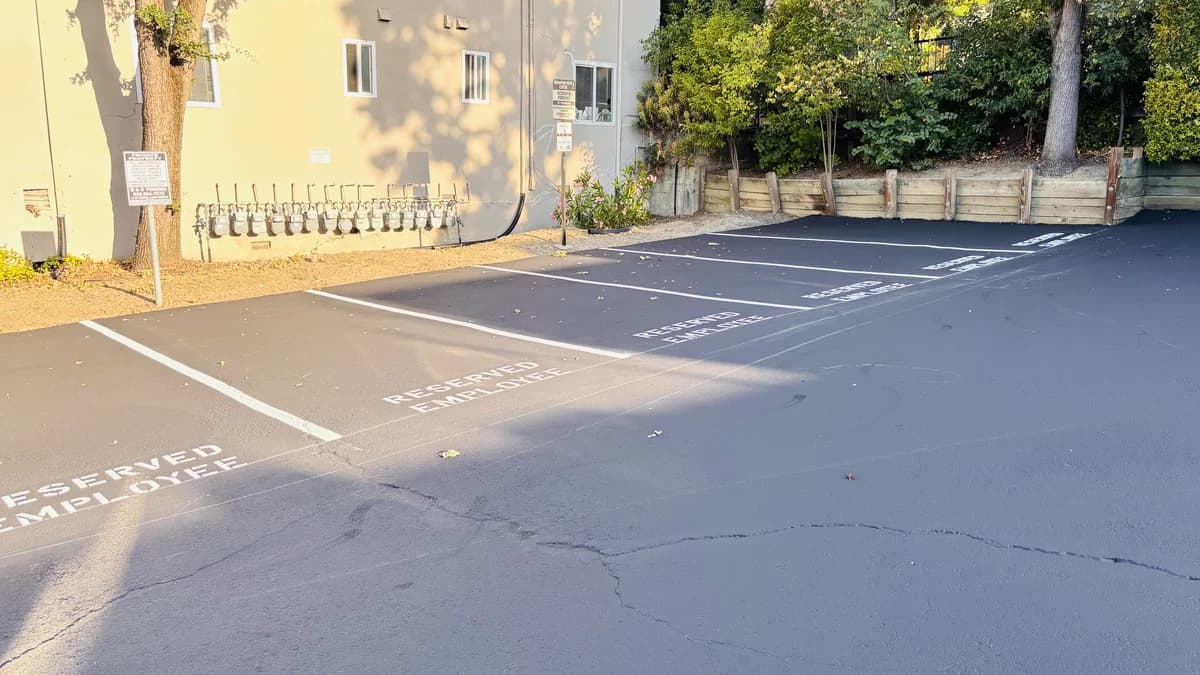
Property-owner guide
Updated July 6, 2026
When Is Sealcoating Worth It?
When sealcoating provides real value as preventive asphalt maintenance, and the pavement conditions where it makes the most sense.
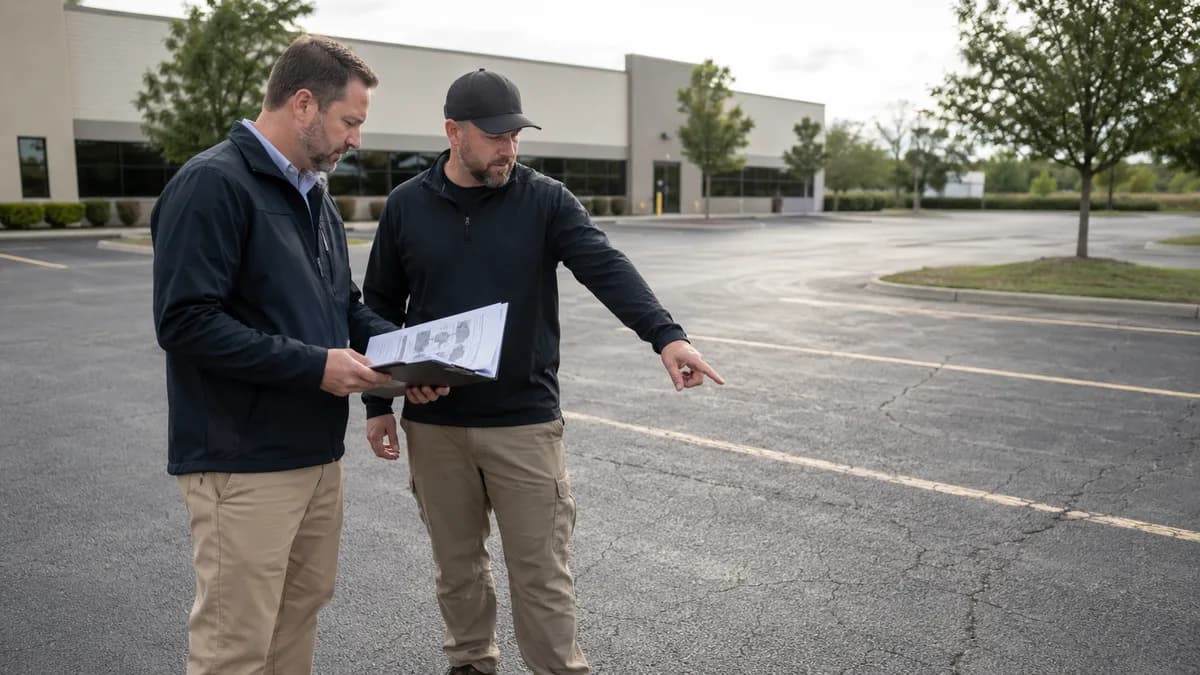
Property-owner guide
Updated July 6, 2026
How to Choose a Sealcoating Contractor
Learn how to choose a sealcoating contractor by reviewing surface prep, crack treatment, sealer mix, coats, dilution, timing, traffic control, and red flags.
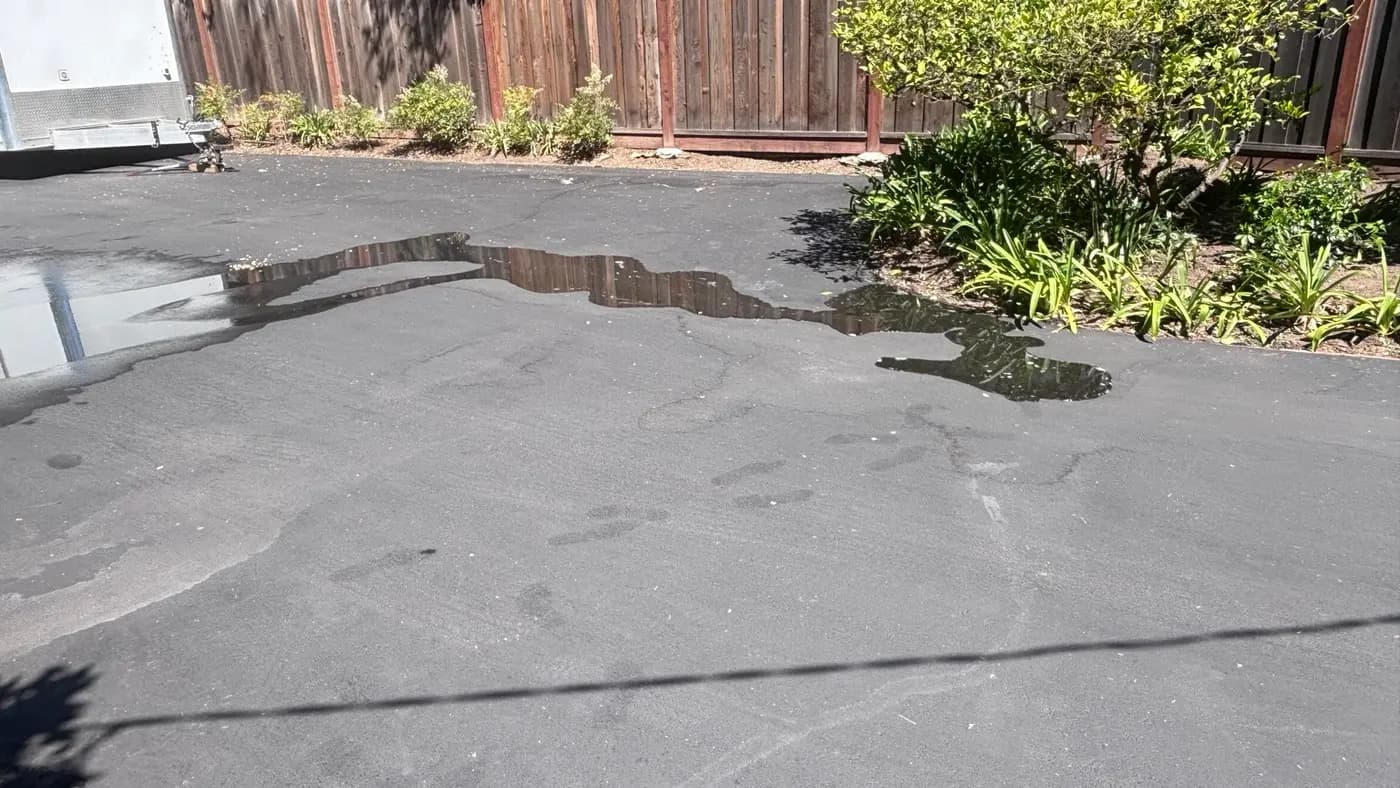
Property-owner guide
Updated July 6, 2026
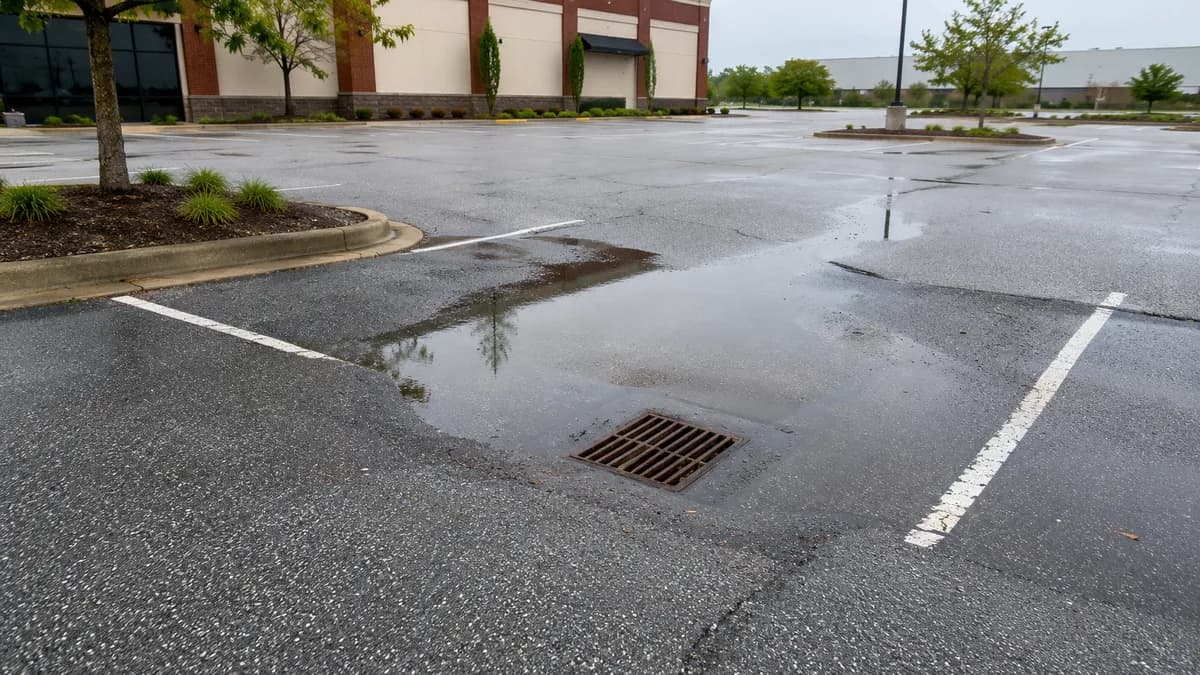
Parking Lot Drainage Problems: What Property Owners Should Know
Common causes of parking lot drainage problems, why they accelerate pavement damage, and what property owners should ask contractors before a fix.
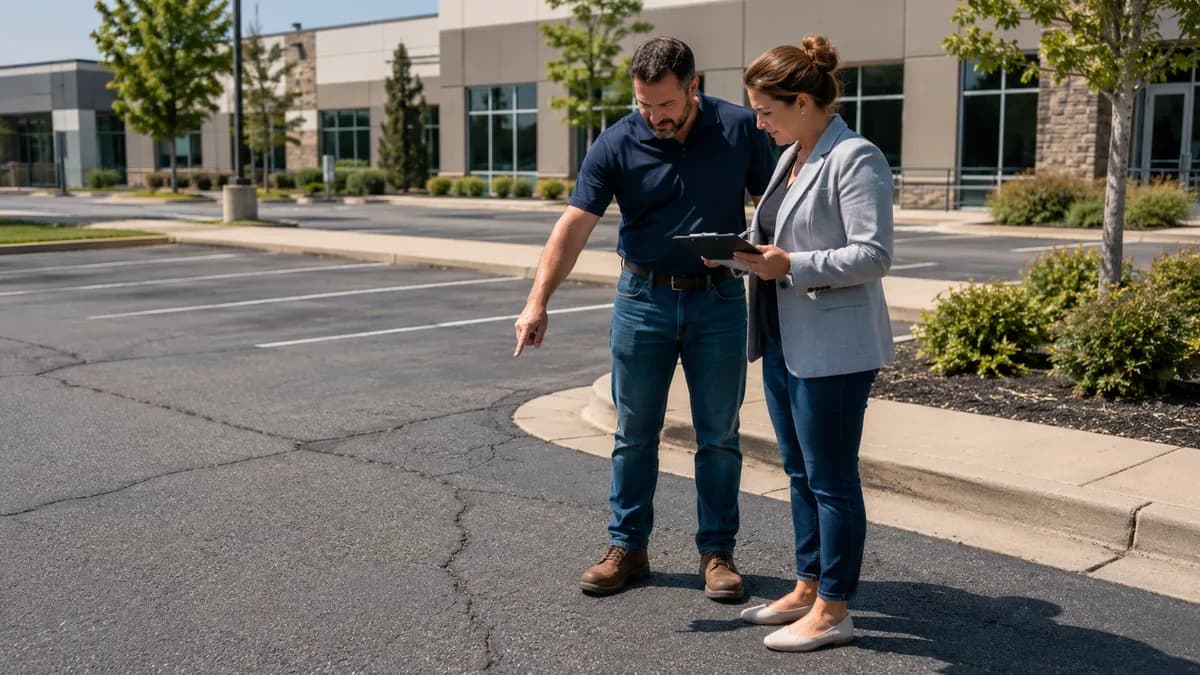
Property-owner guide
Updated July 6, 2026
How to Choose an Asphalt Paving Contractor
How to choose an asphalt paving contractor: project fit, relevant experience, written scope, references, insurance, and pavement qualifications.
Property-owner guide
Updated August 30, 2026
Commercial Parking Lot Maintenance Guide
How to inspect, preserve, repair, and budget for a commercial parking lot: lifecycle stages, treatments, drainage, ADA, scoping, and multi-year plans.
Before you hire: The Pavement Directory does not guarantee contractor performance, pricing, licensing, insurance, or availability. Business information may be submitted by contractors or gathered from public sources and should be independently verified before hiring. Always confirm licensing, insurance, references, scope of work, and written contract terms.
For contractors
Ready to compare Arizona contractors?
Browse listings by city and service, then use what you have read here to check the scope, the credentials, and the timing before you sign.