
Texas pavement guide
Pavement Conditions in Texas: Regions, Soils, and Common Problems
In Texas, subgrade behavior and summer pavement temperature drive more failures than traffic does.
- 6 regions
- 5 common problems
- 6 local terms
Jump to section
Regional differences
Pavement Conditions by Region in Texas
Texas does not have one climate or one soil profile, and pavement that performs well in one part of the state can fail early a few hours away. These are the divisions that matter most when scoping paving, repair, or maintenance work.
Blackland Prairie
Dallas · Waco · Temple · Austin (eastern edge) · San Antonio (northeast)
Environmental stress
- Wet-dry cycling between drought and heavy rain
- Long, hot summers with high surface temperatures
- Occasional hard freezes that stress already-cracked pavement
Subgrade conditions
- Deep, highly expansive clay with high shrink-swell potential
- Seasonal moisture change extending well below the pavement
- Tree root zones drawing moisture unevenly from beneath pavement
Common distress
- Long longitudinal and irregular cracks that reopen after every repair
- Heaving and sagging that shifts with the season
- Curb and gutter separation from the pavement edge
What it means for the work
- Subgrade stabilization and moisture control usually matter more than asphalt thickness
- Repairs made during drought can look wrong after the first wet winter
- Flexible crack treatments outperform rigid patches over moving clay
Gulf Coast
Houston · Beaumont · Galveston · Corpus Christi
Environmental stress
- Very high annual rainfall delivered in intense events
- Persistent humidity that slows curing and drying
- Tropical systems producing flooding and prolonged saturation
Subgrade conditions
- Soft, fine-grained coastal soils with limited bearing capacity
- High groundwater and slow-draining ground
- Localized subsidence in parts of the Houston area
Common distress
- Base saturation leading to alligator cracking and potholes
- Settlement around utility structures and inlets
- Flood-related base washout after major storms
What it means for the work
- Drainage and base moisture are the controlling design questions
- Concrete is common here for heavy-duty areas for good reason
- Hurricane season affects scheduling more than temperature does
Central Texas and the Hill Country
Austin · San Antonio · New Braunfels · Kerrville
Environmental stress
- Flash flooding on steep, rocky terrain
- Intense summer heat with strong UV
- Rapid growth putting new traffic on older pavement
Subgrade conditions
- Shallow limestone bedrock and thin soil cover
- Karst features and highly variable rock depth across a single site
- Rocky fill that is good bearing but hard to grade precisely
Common distress
- Erosion and undermining at pavement edges on sloped sites
- Cracking where a section transitions from rock to soil subgrade
- Surface oxidation on unprotected lots
What it means for the work
- Rock excavation can dominate cost on hillside sites
- Concentrated runoff needs a designed path, not just a slope
- Transitions between rock and soil subgrade deserve attention in the detail
West Texas and the Permian Basin
Midland · Odessa · San Angelo · El Paso
Environmental stress
- Very hot, dry summers and strong UV
- Large day-to-night temperature swings
- Wind-blown sand and dust
Subgrade conditions
- Caliche and cemented layers used widely as base material
- Sandy, low-moisture soils
- Gypsum-bearing soils in some areas
Common distress
- Rapid binder oxidation, brittleness, and raveling
- Block and thermal cracking from temperature cycling
- Severe rutting and edge break-up on oilfield truck routes
What it means for the work
- Oilfield traffic is a heavy design load on otherwise light-duty sites
- Surface protection and crack sealing carry high value in this UV environment
- Water for compaction is a real logistical item on remote sites
Panhandle and South Plains
Amarillo · Lubbock · Plainview
Environmental stress
- Genuine winter freeze-thaw cycling, unlike most of Texas
- High wind and blowing dust
- Hail and severe convective storms
Subgrade conditions
- Fine wind-deposited soils that soften when wet
- Playa lake drainage patterns that concentrate water locally
- Agricultural ground with variable compaction
Common distress
- Freeze-thaw potholing that most of Texas does not see
- Grain and equipment loading damage at agricultural facilities
- Ponding in low areas with no outlet
What it means for the work
- The construction season is shorter here than in the rest of the state
- Crack sealing before winter has more value here than on the Gulf Coast
- Snow and ice management is a genuine consideration at commercial sites
South Texas and the Rio Grande Valley
Laredo · McAllen · Brownsville · Harlingen
Environmental stress
- Long, extremely hot seasons with minimal winter relief
- Heavy border freight traffic
- Tropical rainfall and occasional storm flooding
Subgrade conditions
- Clay and clayey sands with moderate to high plasticity
- Irrigated agricultural ground with changing moisture
- Poorly draining flat terrain
Common distress
- Rutting and shoving at truck stops and border crossing approaches
- Heat-driven surface distress on unshaded lots
- Ponding-related base failure on flat sites
What it means for the work
- Freight and cross-border truck traffic drives heavy-duty section design
- Nearly year-round working weather, but summer heat still shapes placement
- Flat sites need designed positive drainage, not minimal slope
Field conditions
Common Pavement Problems in Texas
Expansive clay movement
Cracks that follow no traffic pattern, open in late summer drought, and partially close after a wet spell. Pavement panels tilt, curb lines separate, and the same repair fails in the same place every few years.
Likely causes
- Blackland Prairie and North Texas clays with high shrink-swell potential
- Moisture change from irrigation, downspouts, leaks, or drought
- Large trees drawing moisture unevenly from beneath the pavement
- Subgrade placed without stabilization or moisture conditioning
When to get it looked at: If you have patched the same crack twice, stop patching and get the subgrade evaluated. Surface repairs do not stop soil movement.
Rutting and shoving in extreme summer heat
Wheel paths deepen and asphalt pushes into ridges at stop bars, dock aprons, and turning areas — most visibly in July and August when the pavement surface is at its hottest.
Likely causes
- Very high pavement surface temperatures reducing mix stiffness
- Slow, heavy, or channelized truck loading
- Mix selection that does not match the site's actual traffic and temperature
When to get it looked at: Rutting concentrated where trucks turn or stop, rather than spread across the lot, points to a section and mix question rather than a maintenance one.
Base failure after intense rainfall
Alligator-pattern cracking and potholes appearing in the weeks after a heavy storm, typically in the exact areas that held water the longest.
Likely causes
- Extreme rainfall intensity exceeding inlet and line capacity
- Flat grading with no positive fall to an outlet
- Saturated fine-grained subgrade losing strength under load
When to get it looked at: Photograph standing water during the storm. Where water sits is where the base will fail, and that is difficult to identify on a dry day.
Oilfield and heavy industrial traffic damage
In the Permian Basin and other energy areas, pavement built for pickup traffic carries loaded tankers and rig equipment, and it breaks up at edges, entrances, and turning radii first.
Likely causes
- Axle loads far beyond the design assumption
- Unpaved shoulders that give way under wide turns
- Entrances built as an afterthought to the main lot
Freeze-thaw damage in the Panhandle
Potholes forming in late winter and early spring around Amarillo and Lubbock — a failure mode most Texas property owners never see but that behaves like the northern Plains.
Likely causes
- Water entering unsealed cracks and freezing repeatedly
- Fine, frost-susceptible soils under the pavement
- Snow and ice control operations abrading the surface
Property types
Common Pavement Projects in Texas
Distribution centers and freight terminals
Dallas–Fort Worth, Houston, San Antonio, and Laredo freight facilities concentrate heavy truck movements where rutting and base failure show up first, often within the first few summers.
Oil and gas facilities
Permian Basin yards, tank batteries, and access roads see loads far beyond typical commercial traffic, with entrances and turning radii failing before the main pavement does.
Retail centers and grocery-anchored properties
Large lots over expansive clay develop cracking patterns that look like poor workmanship but originate below the pavement, and phasing around continuous operation drives the schedule.
HOA and master-planned community roads
Private streets across the Blackland Prairie move with the soil, so reserve planning has to account for recurring crack maintenance rather than a single resurfacing cycle.
Agricultural and grain facilities
Panhandle and South Plains facilities load pavement with heavy seasonal equipment and truck traffic concentrated into a few weeks a year.
Schools and university campuses
Bus loops carry heavier loads than the parking fields around them, and the practical construction window is compressed into summer break — the hottest part of the Texas year.
Plain English
Pavement Terms You May Encounter in Texas
| Term | What it means on a Texas project |
|---|---|
| Hot mix asphalt concrete (HMAC) | The plant-produced asphalt mixture used for most Texas paving. Texas specifications and local suppliers commonly use HMAC or 'asphalt concrete' rather than simply 'asphalt'. |
| Lime or cement stabilized subgrade | Treating expansive clay subgrade with lime or cement to reduce its plasticity and moisture sensitivity. This is routine in Texas and is one of the more meaningful line items on a proposal over Blackland clay. |
| Flexible base | The compacted crushed stone or caliche layer beneath the asphalt. Texas proposals commonly reference flexible base by type and thickness; that layer usually determines pavement life more than the surface does. |
| Caliche | Naturally cemented calcium carbonate soil common in West Texas, used widely as base material. It performs well when compacted and confined but is sensitive to how it is handled and drained. |
| Seal coat / surface treatment | In Texas roadway usage, 'seal coat' often means an asphalt binder and aggregate chip application, which is different from the coal tar or asphalt emulsion coating usually meant by 'sealcoating' a parking lot. Confirm which one a proposal means. |
| Full-depth reclamation (FDR) | Pulverizing the existing asphalt and base together, treating the blend, and repaving over it. It appears on larger Texas lots and private roads where the base has failed and hauling everything off is impractical. |
State transportation specifications can provide useful regional terminology and material references, but they do not automatically govern private parking-lot or driveway projects unless incorporated into the contract or required by the applicable jurisdiction.
More definitions are in the pavement glossary.
Before you sign
Questions to Ask a Paving Contractor in Texas
- What type of soil is under this pavement, and how did you determine that — borings, a geotechnical report, or local experience?
- Is lime or cement stabilization of the subgrade included, and if not, why is it not needed here?
- How will the proposed section handle seasonal expansive-soil movement, and what should I expect the cracking to do over the next few years?
- Does the mix you are proposing account for summer surface temperatures at this site's traffic loading?
- How will drainage be handled during intense rainfall, and are the areas that currently pond part of this scope?
- What is the existing pavement and base thickness here, and is any of it being reused?
- Are any city, county, or drainage district approvals required for this work?
- When you say 'seal coat', do you mean an emulsion coating or a chip-and-binder surface treatment?
- Who is your insurance carrier, and do you carry workers' compensation coverage for the crew on this site?
Texas pavement condition FAQs
Why does pavement move over expansive soil in Texas?
Blackland Prairie and North Texas clays change volume with moisture. They swell when they take on water and shrink when they dry out, and in a Texas climate that alternates between drought and heavy rain, the change through a year can be large enough to crack and tilt pavement from below. The pavement is not failing under traffic; it is riding a moving subgrade. That is why moisture control, drainage, and subgrade stabilization matter more here than adding asphalt thickness.
What is lime stabilization and does my parking lot need it?
Lime stabilization mixes lime into an expansive clay subgrade to reduce its plasticity and make it less sensitive to moisture change. It is common on Texas paving projects over Blackland clay and is one of the more meaningful differences between two otherwise similar bids. Whether your site needs it depends on the soil, the traffic, and the design — but on known expansive clay, a proposal that omits any subgrade treatment deserves a direct question about why.
Why is my Houston-area lot failing where water stands?
Gulf Coast soils are fine-grained and drain slowly, and the region's rainfall arrives in intense events that can exceed inlet capacity. Where water sits long enough to saturate the base, the pavement loses support and cracks in an alligator pattern under traffic. Resurfacing over a wet base repeats the failure — the drainage has to be corrected first, which usually means grading, inlet capacity, or both.
Does pavement in Texas really need freeze-thaw protection?
In most of the state, no — freeze-thaw is not the dominant failure mode. In the Panhandle and South Plains around Amarillo and Lubbock it genuinely is, with winter cycling that behaves much more like the northern Plains than like Houston. Crack sealing ahead of winter has real value there and comparatively little on the Gulf Coast, which is a good example of why one statewide maintenance schedule does not work in Texas.
Why do oilfield access areas fail so much faster than the rest of the site?
Because they carry a completely different load. Loaded tankers, water trucks, and rig equipment impose axle loads far beyond what a lot designed for light commercial traffic can take, and the damage concentrates at entrances, turning radii, and unpaved shoulder transitions where the pavement is least confined. Those areas usually need a heavier section than the parking field, not the same one.
What does 'seal coat' mean on a Texas proposal?
It can mean two different things. In Texas roadway usage, a seal coat is often an asphalt binder application covered with aggregate — a chip seal. On a parking lot, 'sealcoating' usually means a coal tar or asphalt emulsion coating applied over the surface. They perform differently, cost differently, and look completely different when finished. Ask the contractor to state which one the proposal covers.
Related reading for Texas property owners
Property-owner guide
Updated July 6, 2026
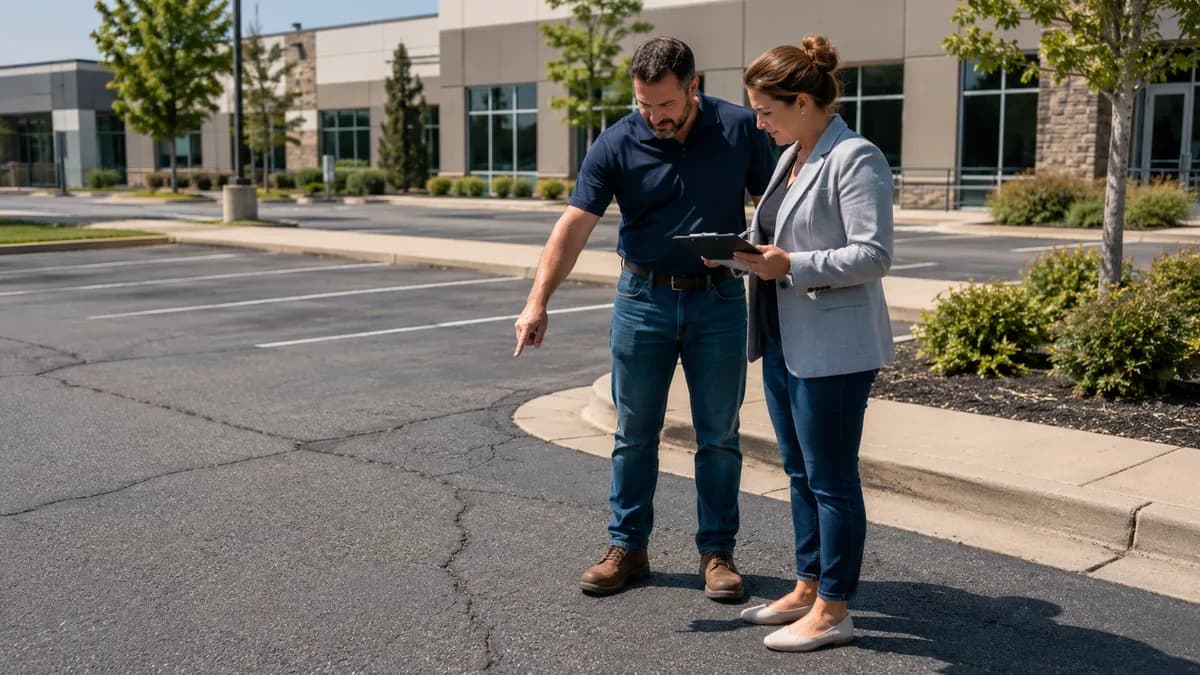
How to Choose an Asphalt Paving Contractor
How to choose an asphalt paving contractor: project fit, relevant experience, written scope, references, insurance, and pavement qualifications.
Property-owner guide
Updated July 6, 2026
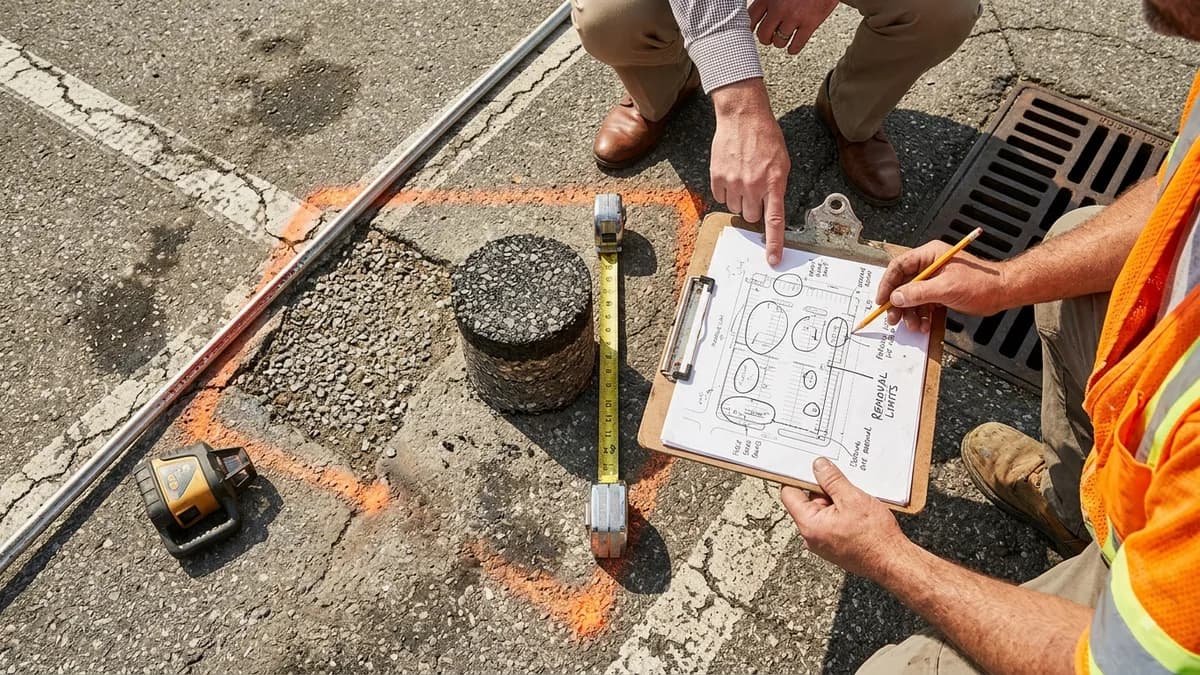
Questions to Ask an Asphalt Paving Contractor Before Hiring
Questions to ask an asphalt paving contractor before hiring: scope, thickness, base, drainage, access, schedule, striping, and exclusions.
Property-owner guide
Updated July 6, 2026
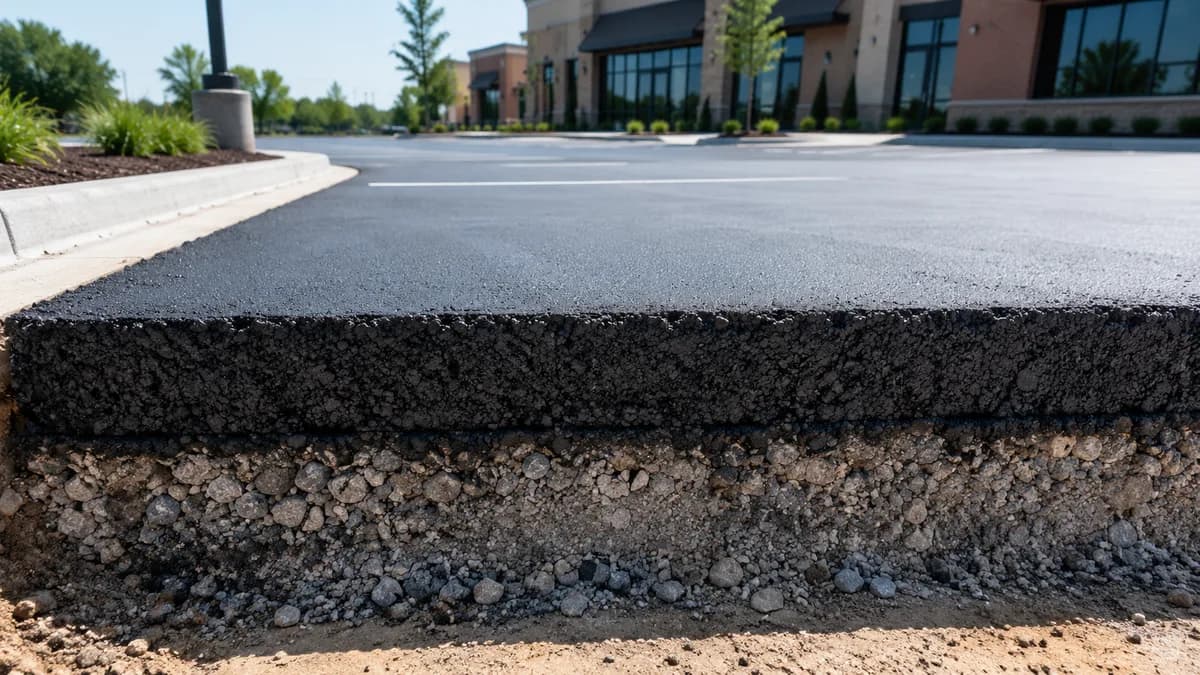
Asphalt Paving Thickness for Parking Lots
Typical asphalt paving thickness for parking lots: benchmarks for stalls, drive lanes, and truck areas, plus how base and soil change the answer.
Property-owner guide
Updated July 6, 2026
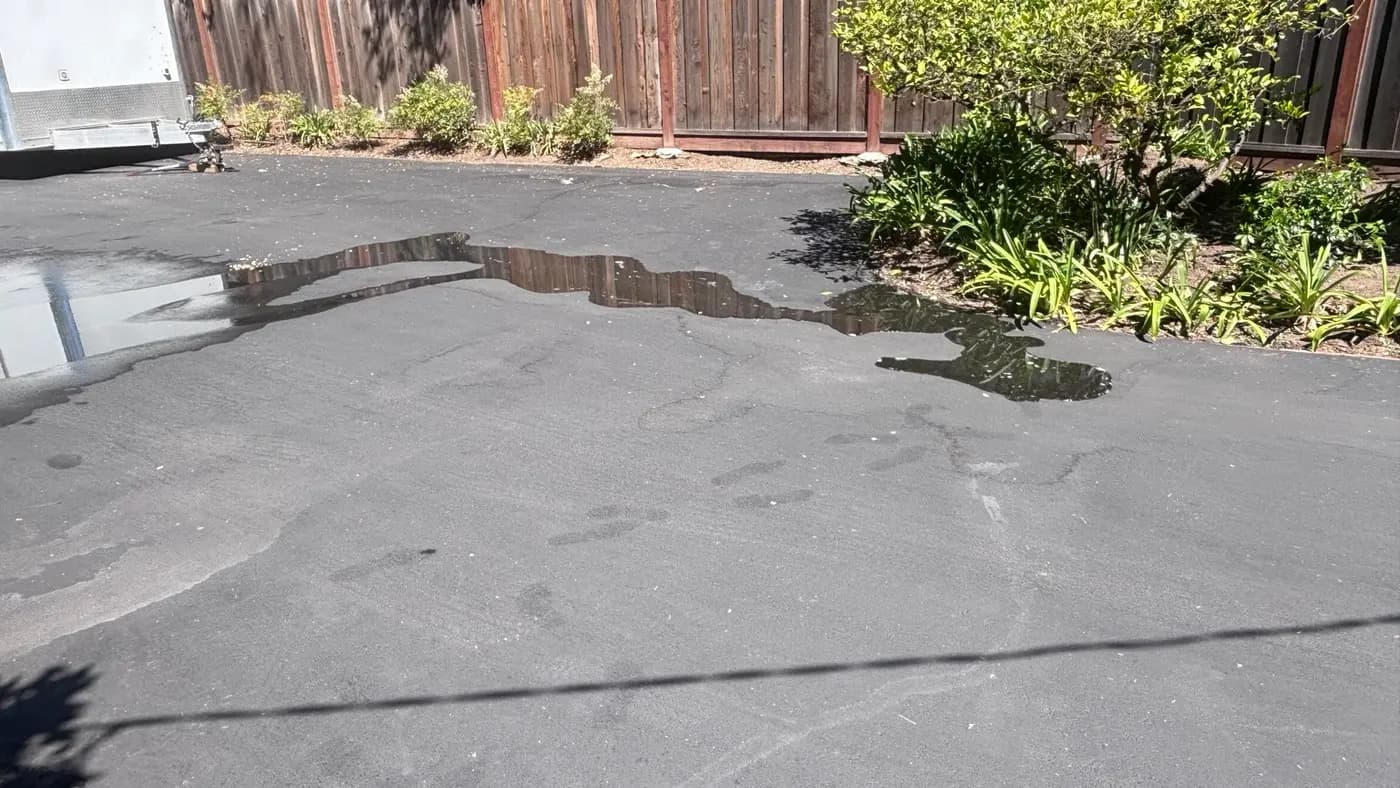
Parking Lot Drainage Problems: What Property Owners Should Know
Common causes of parking lot drainage problems, why they accelerate pavement damage, and what property owners should ask contractors before a fix.
Property-owner guide
Updated July 6, 2026
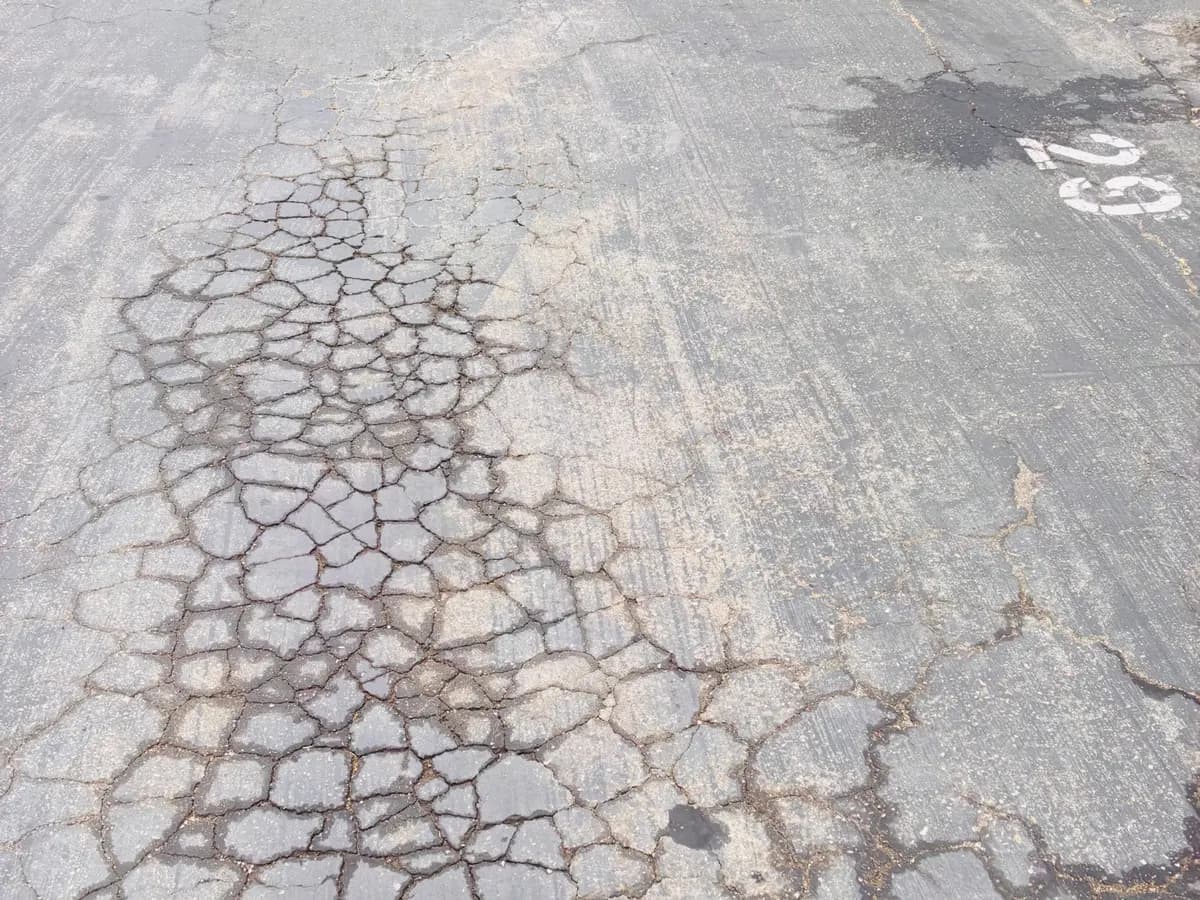
What Causes Alligator Cracking in Asphalt?
What alligator cracking is, what causes it, whether it can be patched or needs full-depth repair, and why it usually points to a failing base.
Property-owner guide
Updated July 12, 2026
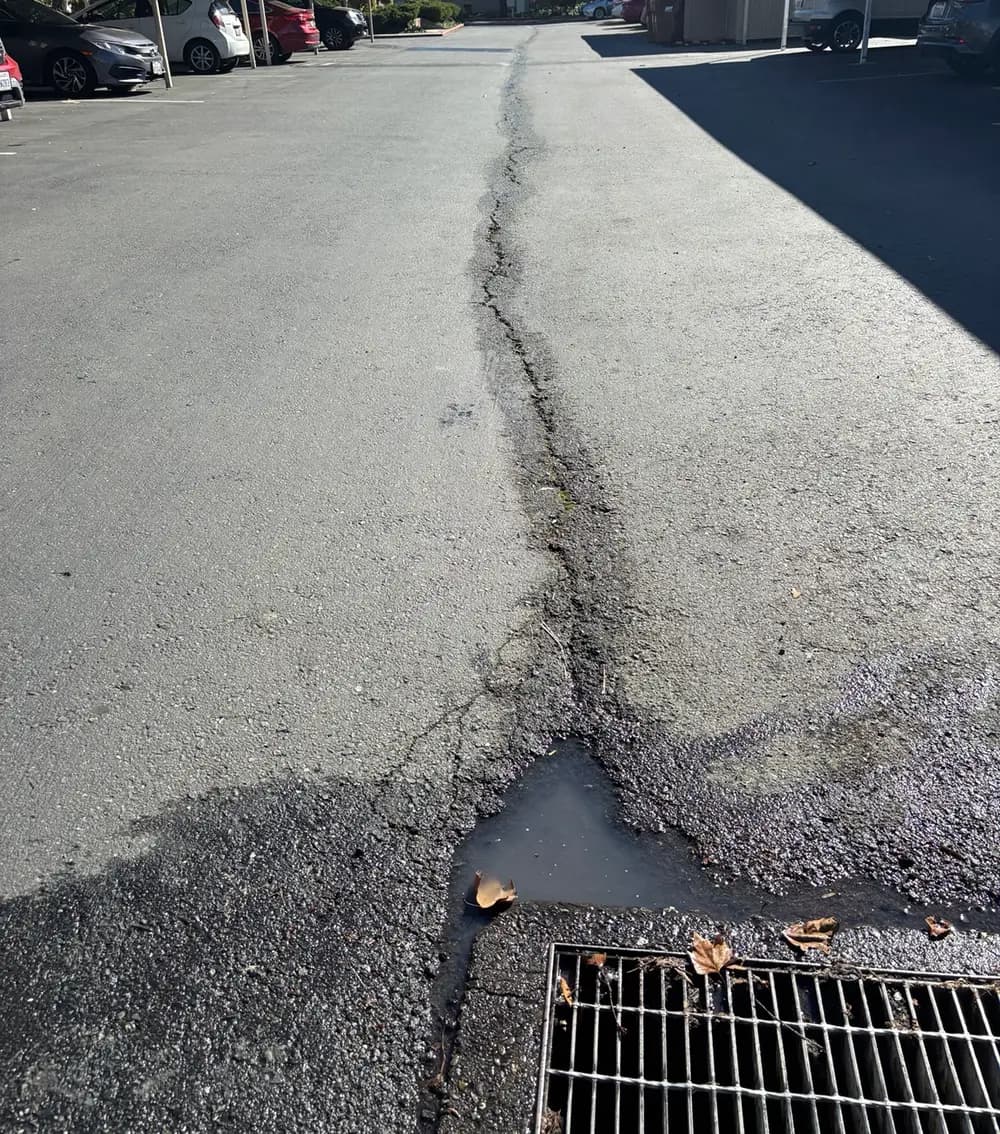
How Drainage Affects Pavement Life
Why drainage is the biggest factor in how long pavement lasts, how water damages asphalt from the base up, and why fixing it protects every repair.
Before you hire: The Pavement Directory does not guarantee contractor performance, pricing, licensing, insurance, or availability. Business information may be submitted by contractors or gathered from public sources and should be independently verified before hiring. Always confirm licensing, insurance, references, scope of work, and written contract terms.
For contractors
Ready to compare Texas contractors?
Browse listings by city and service, then use what you have read here to check the scope, the credentials, and the timing before you sign.