
Louisiana pavement guide
Pavement Conditions in Louisiana: Regions, Soils, and Common Problems
Louisiana pavement problems are foundation problems: soft ground, high water, and a landscape that is slowly settling.
- 4 regions
- 5 common problems
- 6 local terms
Jump to section
Regional differences
Pavement Conditions by Region in Louisiana
Louisiana does not have one climate or one soil profile, and pavement that performs well in one part of the state can fail early a few hours away. These are the divisions that matter most when scoping paving, repair, or maintenance work.
Greater New Orleans and the deltaic plain
New Orleans · Metairie · Kenner · Chalmette
Environmental stress
- Very high groundwater and ground below or near sea level
- Ongoing subsidence across much of the area
- Storm surge, flooding, and prolonged inundation risk
Subgrade conditions
- Soft organic clays and peat with very low bearing capacity
- Highly compressible soils that consolidate under load over time
- Drainage dependent on pumped systems rather than gravity
Common distress
- Broad settlement and differential subsidence
- Separation and stepping at joints, curbs, and building edges
- Base saturation producing alligator cracking
What it means for the work
- Some movement is regional and unavoidable — the design has to tolerate it
- Concrete is common for heavy-duty areas and joints need to accommodate movement
- Blocked inlets are more consequential here than anywhere with natural fall
Acadiana and the southwest
Lafayette · Lake Charles · New Iberia · Houma
Environmental stress
- Extremely heavy rainfall and prolonged saturation
- Direct hurricane exposure along the coast
- High humidity slowing curing year-round
Subgrade conditions
- Fine-grained coastal soils with poor drainage
- High water table across most of the region
- Marsh-adjacent fill on many developed parcels
Common distress
- Base failure after prolonged wet periods
- Storm-related washout and undermining
- Rutting at industrial and port facility truck routes
What it means for the work
- Petrochemical and port loading is a design load, not a variable
- Storm recovery drives demand cycles that affect lead times
- Base drainage design usually determines how long the work lasts
Baton Rouge and the Florida Parishes
Baton Rouge · Hammond · Denham Springs · Slidell
Environmental stress
- Heavy rainfall with significant riverine flood history
- Hot, humid summers with strong UV
- Heavy industrial and interstate truck traffic
Subgrade conditions
- Clays and silty clays with moderate to high plasticity
- Loess soils in parts of the region that erode readily
- Backswamp deposits in low-lying areas
Common distress
- Cracking driven by clay moisture movement in addition to loading
- Erosion of unprotected edges and slopes
- Flood-related base damage in repeatedly flooded areas
What it means for the work
- Clay movement adds a mechanism that coastal sites do not have
- Erosion control matters on loess soils during and after construction
- Industrial corridor loading calls for a heavier section
North Louisiana
Shreveport · Monroe · Bossier City · Ruston
Environmental stress
- Occasional winter freezes that the south rarely sees
- Heavy rainfall with more relief and natural drainage
- Timber and energy industry truck traffic
Subgrade conditions
- Firmer upland soils with better bearing than the coastal plain
- Expansive clays in parts of the region
- Rolling terrain with erosion-prone slopes
Common distress
- Limited freeze-thaw cracking in cold winters
- Edge break-up under heavy timber and equipment traffic
- Clay-related cracking that shifts with the season
What it means for the work
- Ground here supports pavement better than the south — the design assumptions differ
- Crack sealing before winter has more value here than in New Orleans
- Rural haul distances affect scheduling and cost
Field conditions
Common Pavement Problems in Louisiana
Settlement over soft and compressible soils
Broad dips, sagging areas, and pavement pulling away from buildings, curbs, and structures founded on piles. The pavement is going down while the structure stays put.
Likely causes
- Soft organic clays and peat consolidating under the weight of fill and pavement
- Fill placed without adequate time or treatment to settle
- Regional subsidence adding to local consolidation
When to get it looked at: Where pavement is separating from a pile-supported building, the difference is measurable and expected. Get it evaluated so repairs are designed to tolerate continued movement rather than fight it.
Base saturation from a high water table
Spongy areas, rapid pothole formation, and alligator cracking that concentrates in the lowest parts of the lot and worsens through wet periods.
Likely causes
- A water table sitting close to or within the pavement structure
- Base material with too many fines to drain
- Inlets or outfalls that are blocked, silted, or below the water level
When to get it looked at: If repairs keep failing in the same low areas, ask whether the base was wet at the time of the repair. Placing new pavement over saturated base repeats the failure on a schedule.
Flood damage beneath an intact surface
After flooding, pavement looks largely undamaged but edges are undermined, sections drop under load, and material has been carried out from under the slab or asphalt.
Likely causes
- Floodwater moving through and beneath the pavement structure
- Prolonged inundation softening the subgrade
- Debris blocking drainage during the peak of the event
When to get it looked at: After a flood, have edges, structures, and any area that moves under load evaluated before returning heavy traffic. Surface appearance is a poor indicator of what happened below.
Drainage systems with nowhere to go
Water stands for hours or days after rain even though the lot appears graded, and inlets back up rather than drain.
Likely causes
- Very flat terrain leaving minimal fall to an outfall
- Outfalls that are silted, submerged, or dependent on pumping
- Sediment and vegetation blocking a system that has capacity on paper
When to get it looked at: Standing water that persists more than a day after rain is a drainage system problem, not a grading detail. That is worth investigating before any resurfacing.
Heavy industrial and port loading
Rutting, shoving, and edge break-up at petrochemical facilities, port terminals, and industrial yards, concentrated at entrances and turning areas.
Likely causes
- Axle loads well beyond typical commercial design assumptions
- Soft subgrade unable to support concentrated loading
- Unconfined edges at transitions to unpaved surfaces
Property types
Common Pavement Projects in Louisiana
Petrochemical and industrial facilities
Baton Rouge and Lake Charles corridor facilities carry very heavy loads on ground with limited bearing capacity, making subgrade treatment the controlling design decision.
Port and freight terminals
Container and bulk cargo loading concentrates on fill over soft deltaic soils, where settlement and base strength matter more than surface specification.
Hospitality and tourism properties
New Orleans area properties combine appearance expectations with continuous occupancy and drainage systems that back up during heavy rain.
Apartment and multifamily communities
Private drives over compressible soils settle unevenly, and drainage on flat sites is where most of the recurring cost ends up.
Timber and agricultural facilities
North Louisiana operations concentrate heavy equipment loading at entrances and turning areas that were rarely designed for it.
Plain English
Pavement Terms You May Encounter in Louisiana
| Term | What it means on a Louisiana project |
|---|---|
| Soil cement / cement stabilized base | Treating base or subgrade with cement to create a stiffer, more moisture-resistant layer. Used widely in Louisiana precisely because natural subgrade strength is often low. |
| Undercut and replace | Removing unsuitable soft material below the planned subgrade and replacing it with select fill. Common on Louisiana sites and a meaningful cost variable between bids. |
| Geotextile / geogrid separation | Fabric or grid placed between subgrade and base to keep the two from mixing and to spread load. On soft ground it can make a substantial difference to pavement life. |
| Superpave | The mix design system used to match binder grade and aggregate structure to expected traffic and temperature. It is the vocabulary suppliers use when discussing heavy-duty mixes. |
| Subsidence | Regional sinking of the land surface, significant in coastal Louisiana. It is a ground condition rather than a pavement defect, and repairs need to be designed to tolerate continued movement. |
| Full-depth reclamation (FDR) | Pulverizing the existing asphalt and base together, treating the blend, and repaving over it. Useful where the base has failed and hauling everything off a soft site is impractical. |
State transportation specifications can provide useful regional terminology and material references, but they do not automatically govern private parking-lot or driveway projects unless incorporated into the contract or required by the applicable jurisdiction.
More definitions are in the pavement glossary.
Before you sign
Questions to Ask a Paving Contractor in Louisiana
- What is the bearing capacity of the subgrade here, and was any geotechnical information used in this design?
- Is undercut and replacement of soft material included, and how did you estimate the quantity?
- Is cement or lime stabilization, geotextile, or geogrid part of this section, and why or why not?
- How will you confirm the base is dry before placing new pavement?
- Where does water from this site actually go, and is that outfall clear and functioning?
- How will hurricane-season scheduling be handled, and what happens if a named storm interrupts the work?
- If this property has flooded before, what was done to evaluate the base beneath the surface?
- How is this repair designed to tolerate continued settlement rather than crack again in the same place?
- Which Louisiana license classification are you performing this work under, and what is the license number?
Louisiana pavement condition FAQs
Why does pavement settle so much in south Louisiana?
Much of south Louisiana sits on soft organic clays and peat that compress under the weight of fill and pavement, and in the coastal zone the land surface is also subsiding regionally. The result is settlement that continues for years and is not caused by traffic or workmanship. It shows up most visibly where pavement meets a building or structure founded on piles: the structure stays put while the pavement around it goes down. Repairs here should be designed to tolerate continued movement.
How does high groundwater affect Louisiana parking lots?
When the water table sits close to the surface, the base layer under a lot can be saturated from below, not just wet from rain landing on top. A saturated base loses strength, so traffic that the pavement handled in a dry stretch starts producing alligator cracking and potholes during wet periods. This is why base drainage and moisture control are usually the deciding factors in whether a Louisiana repair lasts, and why resurfacing over a wet base fails early.
What should I check on my lot after hurricane flooding?
Look under the pavement, not just at it. Floodwater moving through and beneath a lot can wash out base material and undermine edges while leaving the surface looking essentially intact. Check pavement edges, areas around inlets and structures, and anywhere that moves or sounds hollow under load. Have those areas evaluated before returning heavy traffic. Be cautious about crews soliciting repair work door-to-door after a storm, and verify Louisiana licensing before signing anything.
Why does water stand on my lot for days after rain?
In much of Louisiana there is very little natural fall, and drainage depends on engineered systems and in some areas on pumping. If the outfall is silted, submerged, or the system downstream is at capacity, water has nowhere to go regardless of how well the lot itself is graded. Persistent standing water is a drainage system question rather than a surface grading detail, and it is worth investigating before spending money on resurfacing.
Is concrete a better choice than asphalt in Louisiana?
It depends on the area and the loading. Concrete is commonly used for dumpster pads, dock aprons, and heavy-duty areas because it handles concentrated loads and standing water better than asphalt does. But on soft, settling ground, concrete joints have to be designed to accommodate movement, and a rigid slab that cracks from differential settlement is not an improvement. The right answer comes from the loading and the subgrade, not a general preference.
What does 'undercut' mean on a Louisiana paving proposal?
Undercutting means removing unsuitable soft material below the planned subgrade and replacing it with select fill so the pavement has something to bear on. It is common on Louisiana sites and it is one of the larger cost variables between two otherwise similar bids. If one proposal includes undercut quantities and another does not, they are not pricing the same project — ask each contractor what they expect to find and what happens if there is more of it.
Related reading for Louisiana property owners
Property-owner guide
Updated July 12, 2026
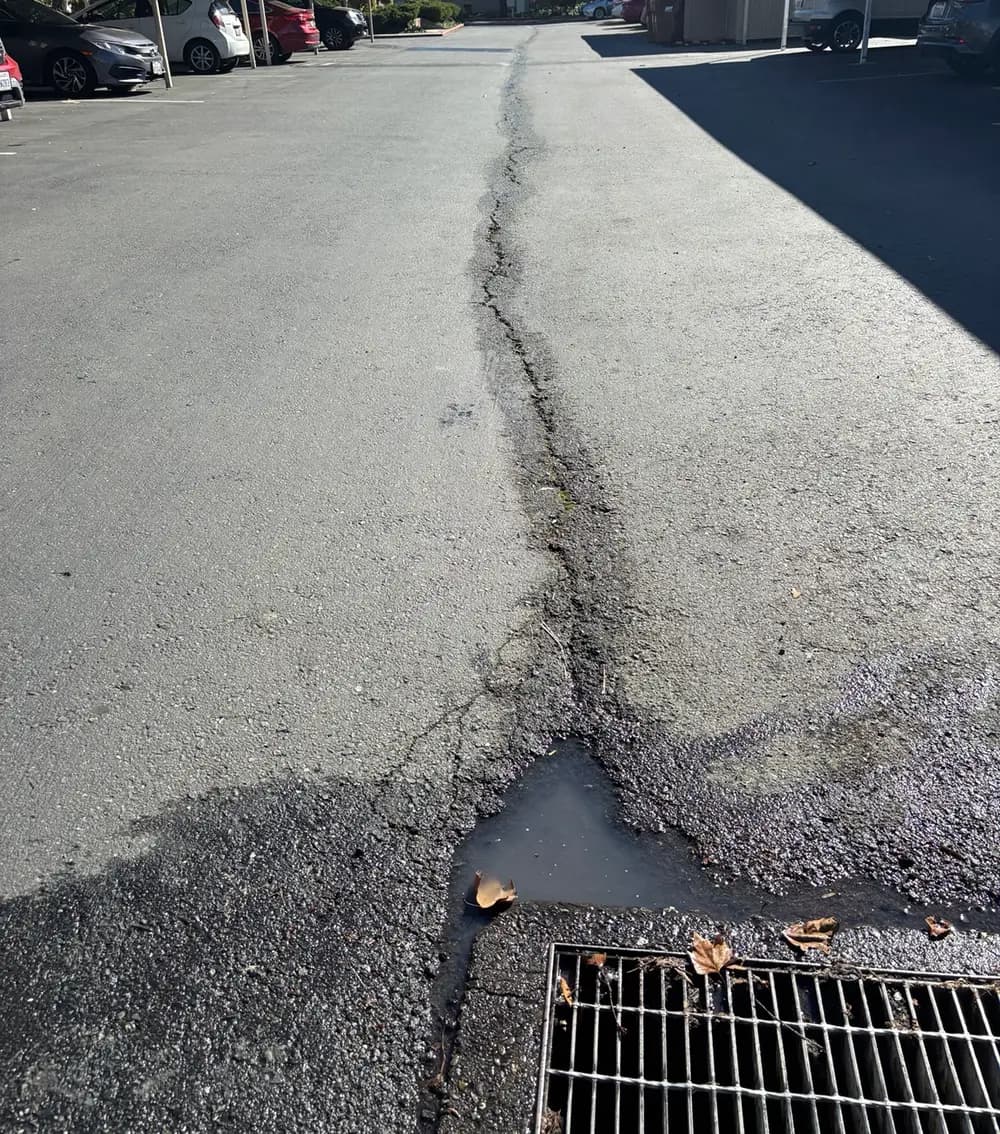
How Drainage Affects Pavement Life
Why drainage is the biggest factor in how long pavement lasts, how water damages asphalt from the base up, and why fixing it protects every repair.
Property-owner guide
Updated July 6, 2026
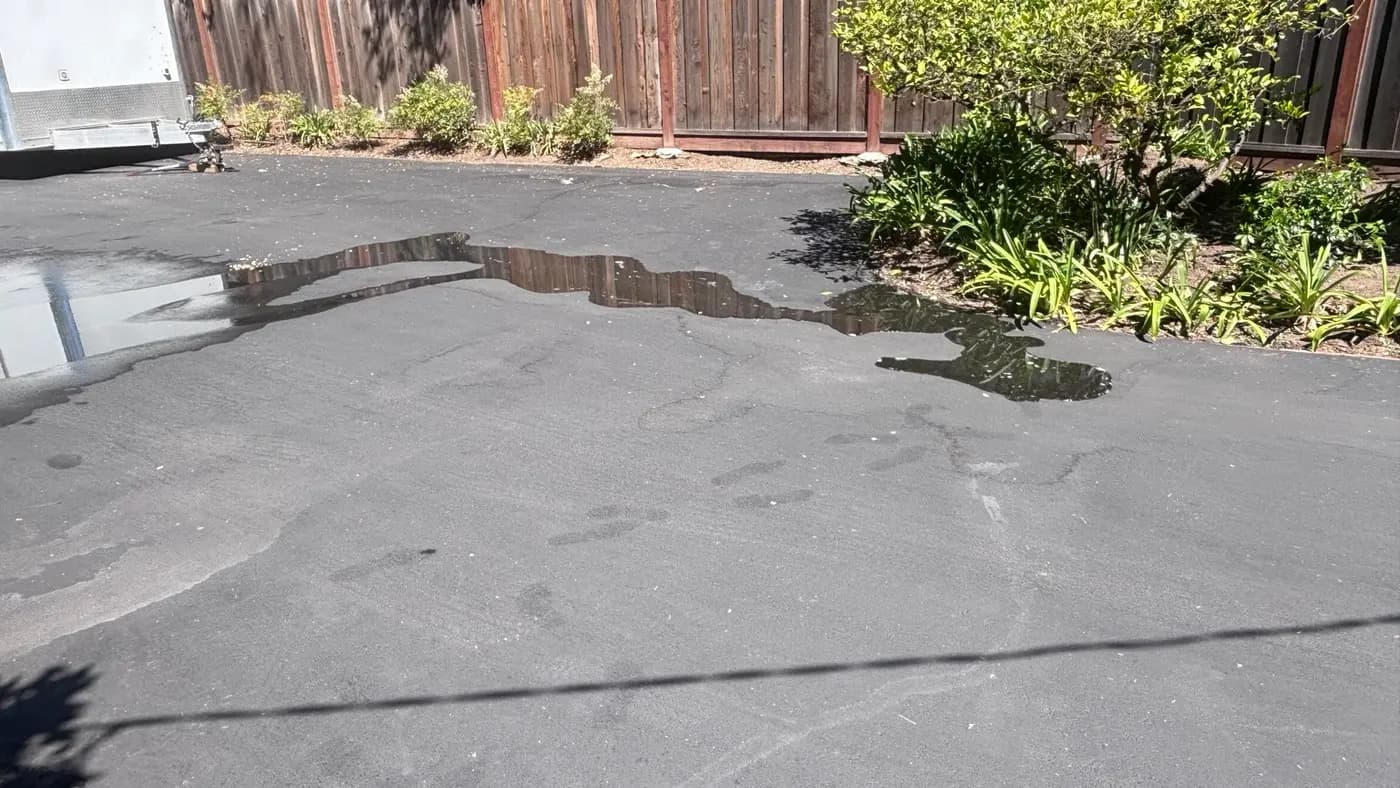
Parking Lot Drainage Problems: What Property Owners Should Know
Common causes of parking lot drainage problems, why they accelerate pavement damage, and what property owners should ask contractors before a fix.
Property-owner guide
Updated July 6, 2026
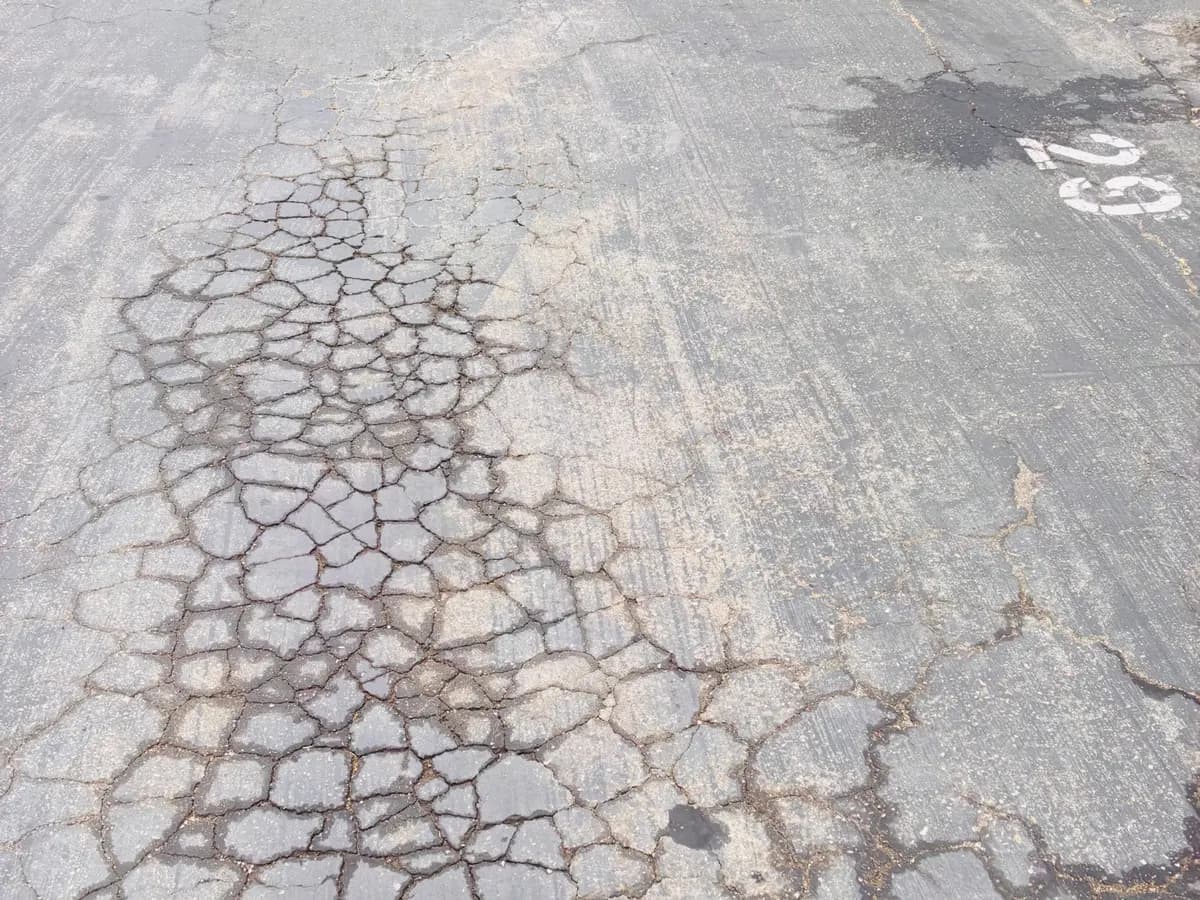
What Causes Alligator Cracking in Asphalt?
What alligator cracking is, what causes it, whether it can be patched or needs full-depth repair, and why it usually points to a failing base.
Property-owner guide
Updated July 11, 2026
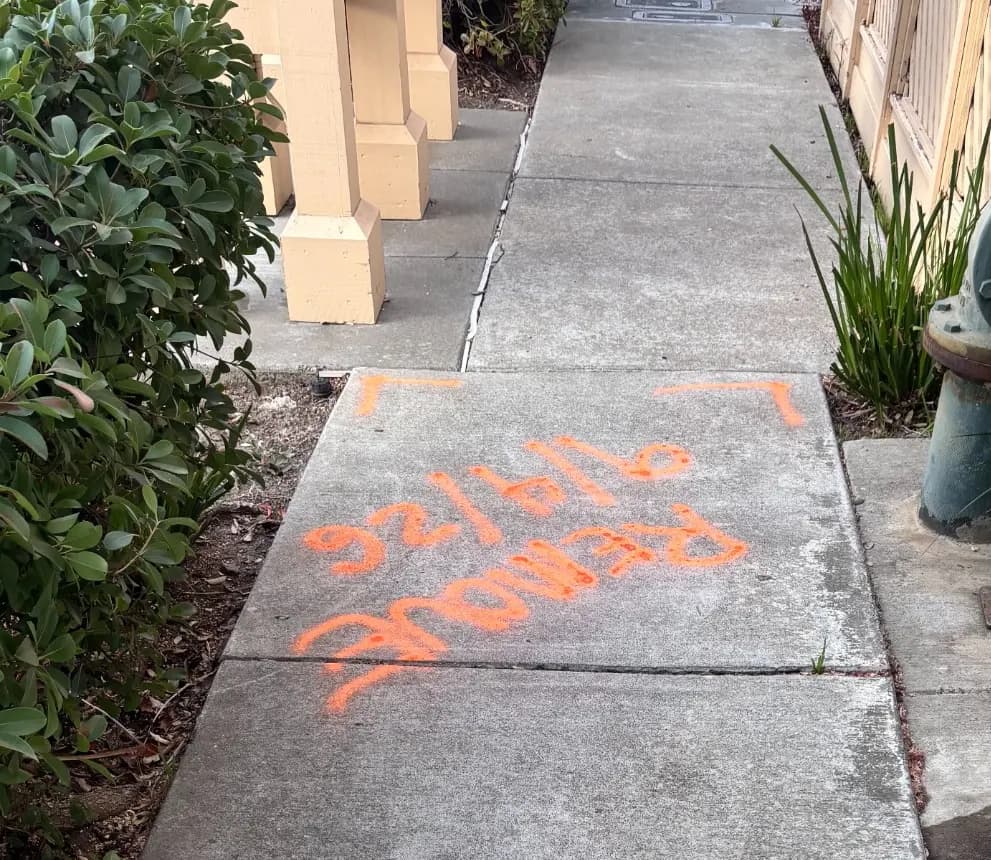
Concrete Repair vs. Replacement: Which Do You Need?
When to repair concrete versus replace it: how grinding, slab lifting, and patching compare to full replacement, and how to decide from the cause.
Property-owner guide
Updated July 12, 2026
How to Choose a Drainage and Sitework Contractor
How to choose a drainage and sitework contractor: one who diagnoses the cause of water problems and knows when an engineer is needed.
Before you hire: The Pavement Directory does not guarantee contractor performance, pricing, licensing, insurance, or availability. Business information may be submitted by contractors or gathered from public sources and should be independently verified before hiring. Always confirm licensing, insurance, references, scope of work, and written contract terms.
For contractors
Ready to compare Louisiana contractors?
Browse listings by city and service, then use what you have read here to check the scope, the credentials, and the timing before you sign.