

What this guide covers
Sealcoating is inexpensive relative to repair or replacement, which sometimes leads property owners to reach for it as a first response to a tired-looking lot — even when the pavement's real problem is structural, not cosmetic.
Related contractor categories
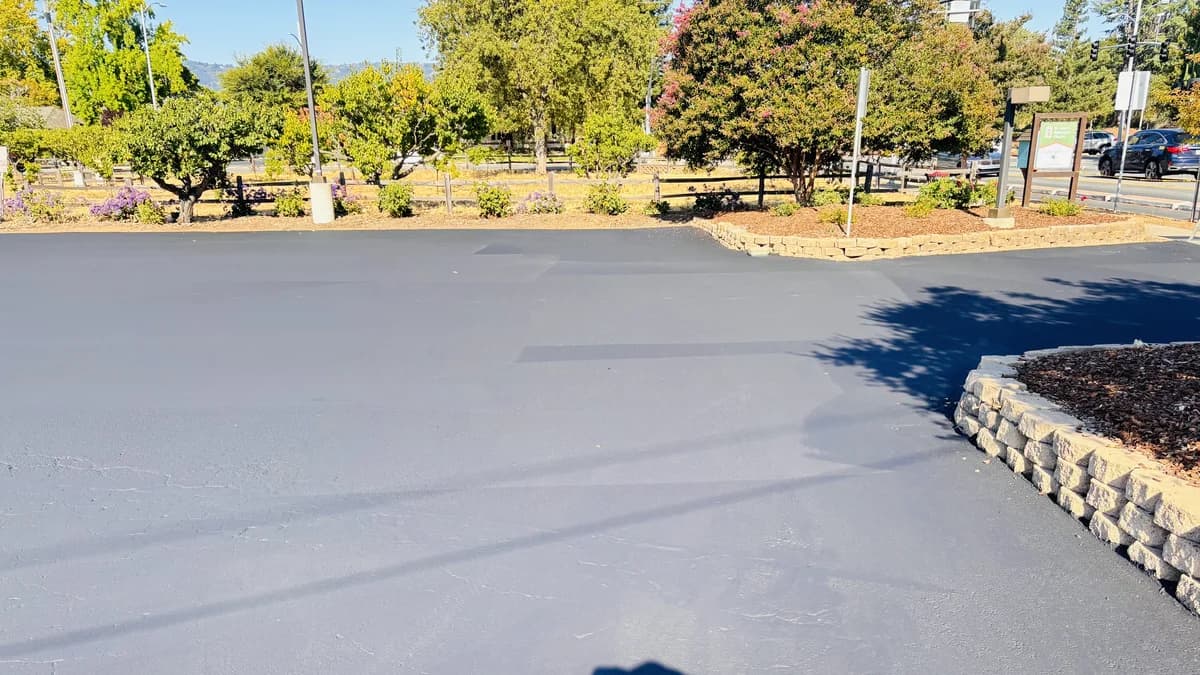
Sealcoating over base failure
If a lot has widespread alligator cracking or visible base failure, sealcoating won't stop the deterioration — it will only temporarily mask it. The cracking will typically reappear within a season, and the sealcoat spend adds cost without changing the eventual repair or replacement timeline.
Sealcoating over unresolved drainage problems
Standing water that regularly pools in the same spot indicates a grading or drainage issue. Sealcoating a lot with unresolved ponding doesn't correct the grade, and the trapped water will continue to weaken the base under and around the low spot.
Sealcoating cracked pavement without crack sealing first
Applying sealcoat directly over unsealed cracks is a common mistake. Water can still enter through the cracks, and the thin sealcoat layer over an active crack tends to re-crack quickly, wasting the material and labor cost.
Sealcoating pavement near the end of its service life
For a lot that's a year or two away from needing full replacement regardless, spending on sealcoating may not be the best use of a limited maintenance budget compared to saving toward the larger project.
There is a middle case worth separating out. Pavement whose surface has worn open or lost its fines, but whose structure is still sound, is often past what sealer can meaningfully do while still being too good to replace. That is the pavement a thin aggregate treatment is designed for. See the slurry seal guide for how that treatment differs from sealcoating and which pavement qualifies.
Frequently asked questions
When is sealcoating a waste of money?
Sealcoating over pavement with significant base failure, widespread alligator cracking, or unaddressed drainage problems is unlikely to help and can mask issues that need repair or replacement instead.
Can sealcoating make cracking worse?
Sealcoating itself doesn't cause cracking, but applying it over unsealed cracks or active base failure without addressing the underlying issue means the problem continues progressing underneath a fresh-looking surface.
Should I sealcoat a lot I'm planning to replace soon?
If replacement is only a year or two away, that budget may be better allocated toward the replacement project rather than a maintenance treatment that provides limited benefit on pavement nearing the end of its life.
Why does sealcoat sometimes peel or flake soon after application?
This is often related to poor surface preparation (oil contamination, dirt, or moisture at the time of application) or applying sealcoat outside recommended temperature and weather conditions.
Before you hire: The Pavement Directory does not guarantee contractor performance, pricing, licensing, insurance, or availability. Business information may be submitted by contractors or gathered from public sources and should be independently verified before hiring. Always confirm licensing, insurance, references, scope of work, and written contract terms.
For property owners
Looking for a pavement contractor?
Use The Pavement Directory to search asphalt, concrete, sealcoating, striping, ADA access, and pavement maintenance contractors by service and location. Always verify license, insurance, references, and written scope before hiring.
Search contractorsFor contractors
Are you a pavement contractor?
Contractors can add or claim a company profile to help property owners find pavement professionals by service, location, and specialty.