Delaware does not issue a statewide trade license for asphalt paving, sealcoating, concrete, or parking lot contractors. What Delaware does require is a state business license: contractors doing business in Delaware are generally required to be licensed through the Division of Revenue, and out-of-state contractors have their own registration and bonding obligations. Asking a contractor for their Delaware business license number is a reasonable and useful question, and one that legitimate firms answer immediately.
Because there is no trade license establishing competence, the entity check does more work here. Confirm through the Division of Corporations that the exact name on the proposal is a registered entity in good standing, and that it matches the name on the insurance certificate and the contract. Contracting with one entity while a different one carries the insurance is a common and avoidable exposure.
Verify insurance directly with the carrier or agent rather than accepting a forwarded certificate — general liability and workers' compensation active across the dates of your work, with your property named as certificate holder. On Delaware pavement projects where striping, concrete, or drainage is subcontracted, ask whether those firms carry their own coverage.
County and municipal requirements sit on top of this. New Castle County, Kent County, Sussex County, and the incorporated towns each have their own permitting and, in some cases, contractor registration requirements, and the beach towns in particular apply seasonal work restrictions. Public projects carry separate bidding, bonding, and prevailing wage rules. Ask the jurisdiction where the property sits what applies before assuming nothing does.
What a contractor license does not prove
A Delaware business license establishes that a contractor is registered to do business and collect tax, not that they have built pavement over a shallow water table or designed an edge that survives on sand. References on comparable Delaware projects carry the weight a trade license would carry elsewhere.
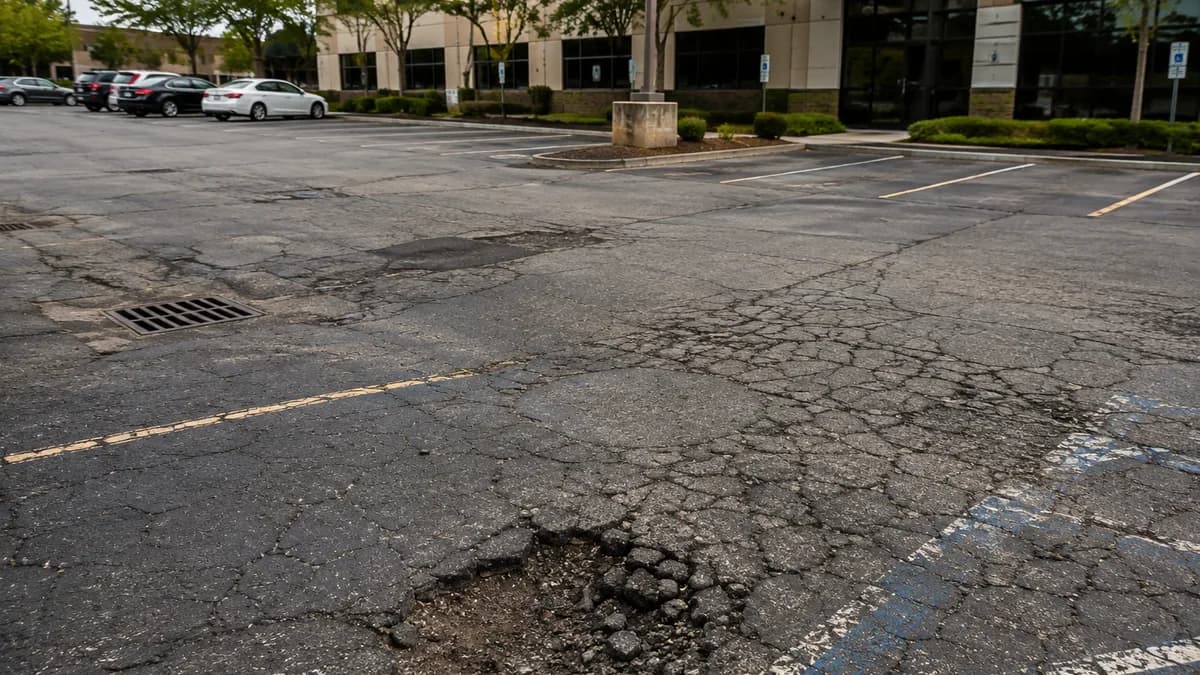
- That the proposed scope is the right fix for what is actually failing
- That the price is fair for the local market
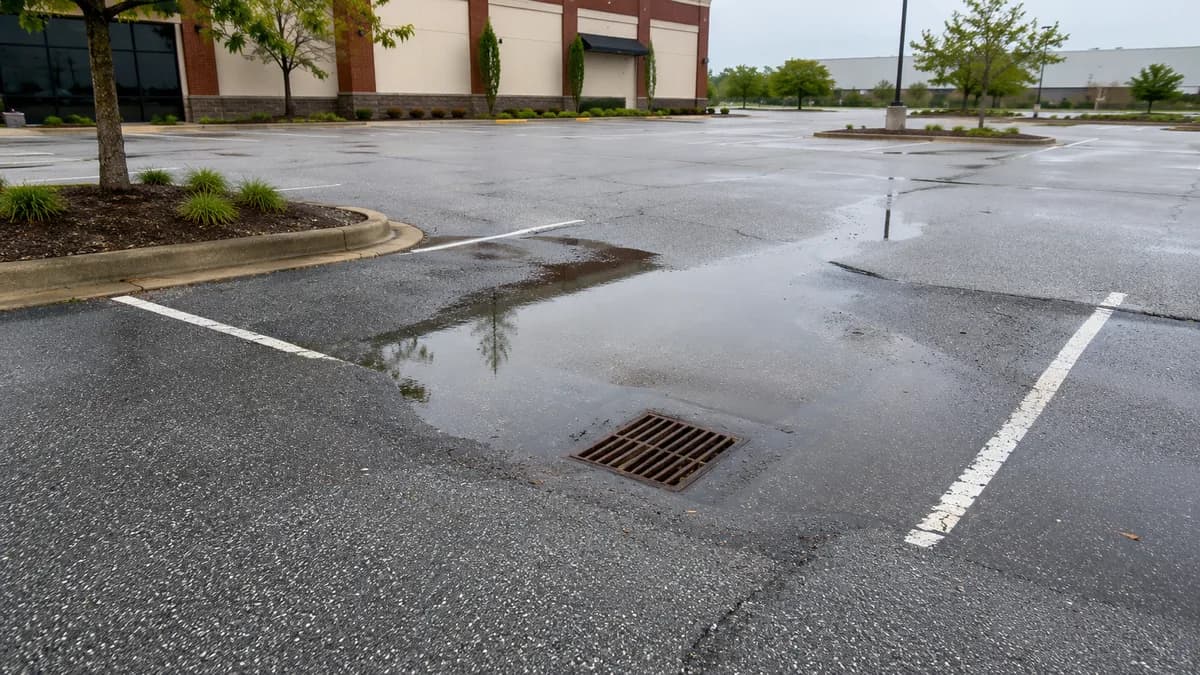
- That drainage has been designed or corrected
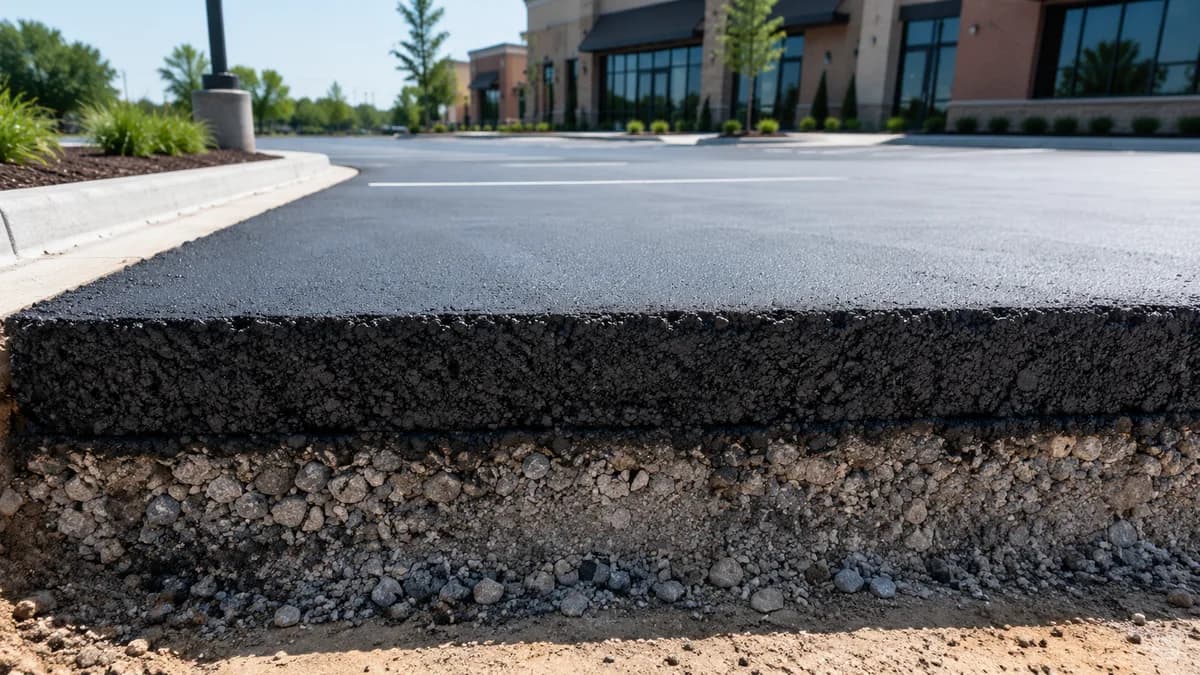
- That the pavement section and thickness suit the traffic the property carries
- That the specified materials are appropriate for the site
- That the crew will show up when promised
- That workmanship will hold up past the first winter or summer
- That the company is financially stable enough to honor a warranty
Ask for a certificate of insurance sent directly from the carrier or agent rather than a copy forwarded by the contractor, confirm the general liability and workers’ compensation coverage is active on the dates of your work, and ask to be named as certificate holder so you are notified if the policy lapses.
Licensing requirements can turn on project value, scope of work, property location, and whether the job is public or private. City and county rules may add registration, permitting, or bonding requirements beyond anything required at the state level. Verify current requirements with the agency directly before contracting.