Mississippi requires a license from the State Board of Contractors for commercial and residential construction above dollar thresholds set in state law. Whether a specific paving or site project crosses the applicable threshold depends on the total contract value and on whether the work is commercial or residential, so confirm the current figures with the board rather than relying on a remembered number.
Mississippi licensing works through a certificate of responsibility held by a qualifying individual within the licensed firm, together with classifications describing the work the license covers. That structure means two checks matter rather than one: that the firm holds a current license, and that the classification actually covers paving and site work rather than an unrelated category. Both are verifiable through the board.
Below the licensing thresholds, and for smaller residential work, there may be no state credential to check at all. In that case the verification shifts entirely to the entity, its insurance, and its record — confirm the exact business name on the proposal matches the insurance certificate and the contract, verify general liability and workers' compensation directly with the carrier for your work dates, and call references on comparable local projects that are several years old.
Municipal privilege licenses, local permits, and public project bonding and prequalification requirements sit on top of state licensing. Confirm those with the jurisdiction or awarding agency before assuming the state license is the whole picture.
What a contractor license does not prove
A Mississippi license confirms the firm met the board's requirements and holds a classification. It does not establish that a contractor understands how to build over Yazoo Clay, improve Delta subgrade, or protect a loess slope from its own runoff.
- That the proposed scope is the right fix for what is actually failing
- That the price is fair for the local market
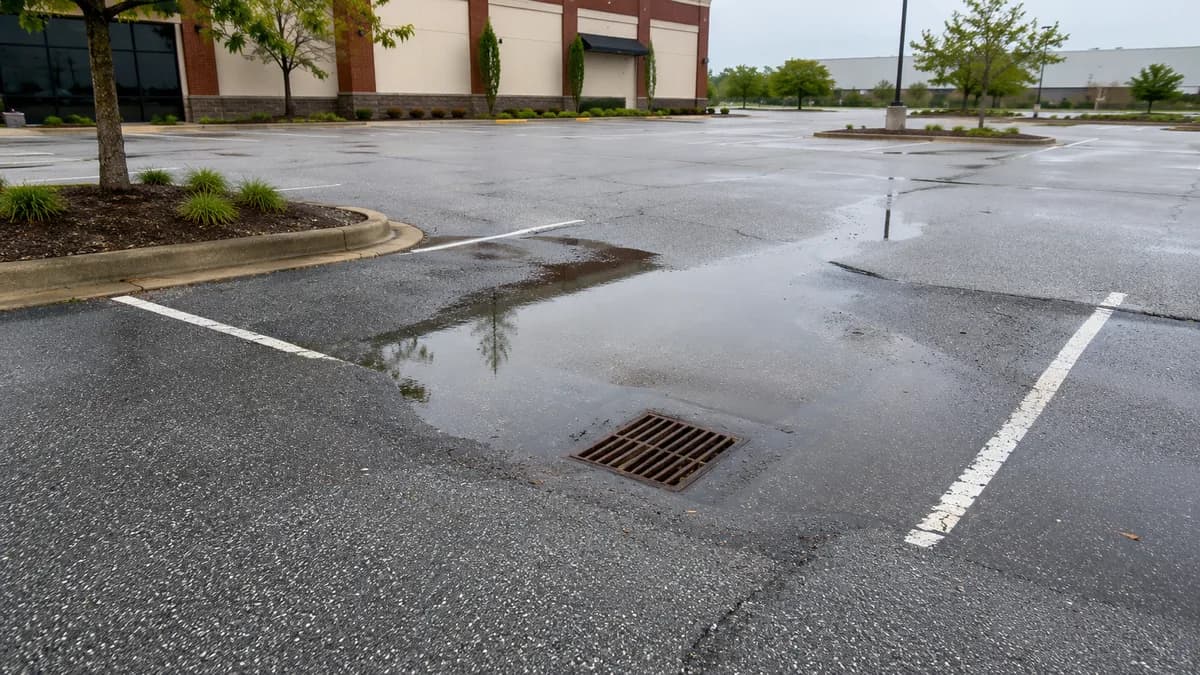
- That drainage has been designed or corrected
- That the pavement section and thickness suit the traffic the property carries
- That the specified materials are appropriate for the site
- That the crew will show up when promised
- That workmanship will hold up past the first winter or summer
- That the company is financially stable enough to honor a warranty
Ask for a certificate of insurance sent directly from the carrier or agent rather than a copy forwarded by the contractor, confirm the general liability and workers’ compensation coverage is active on the dates of your work, and ask to be named as certificate holder so you are notified if the policy lapses.
Licensing requirements can turn on project value, scope of work, property location, and whether the job is public or private. City and county rules may add registration, permitting, or bonding requirements beyond anything required at the state level. Verify current requirements with the agency directly before contracting.