

What this guide covers
Crack sealing is simple work done well or poorly — the difference is material choice, prep, and honesty about which cracks are worth sealing, so those are what to screen a contractor on.
This is the hiring anchor for the crack sealing hub. For the material and pricing picture, see crack sealing vs. crack filling and the crack sealing cost guide.
Ready to compare companies? Compare crack sealing contractor profiles by market and specialty.
Related contractor categories
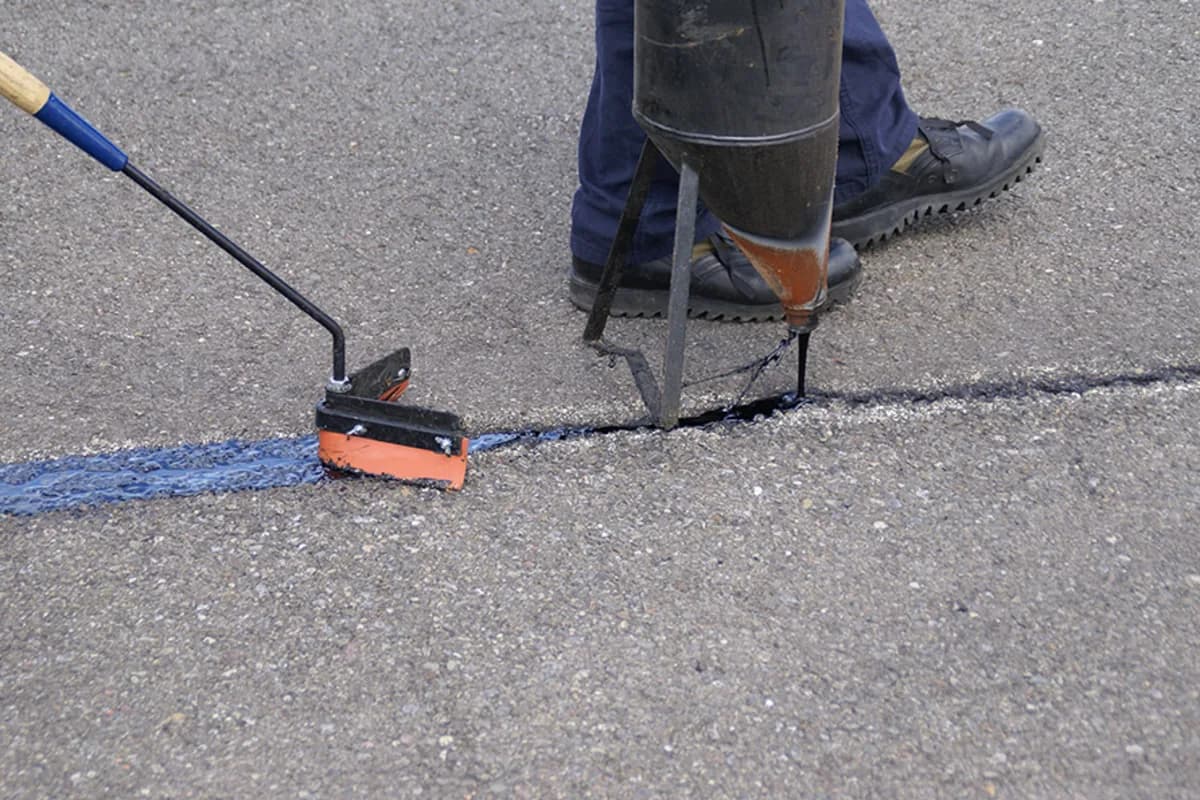
Confirm the material and prep
The biggest quality difference is material and preparation. A capable contractor matches the product to the cracks — typically a hot-applied rubberized sealant that flexes with working cracks, rather than a cheap cold-pour filler used everywhere. Ask how they clean cracks before sealing, and whether they rout (saw a clean channel into) wider or working cracks so the sealant bonds and lasts. Sealing over a dirty or wet crack is the fastest way to a short-lived job.
Honesty about which cracks to seal
Good crack sealing is partly about knowing what not to seal. Fine hairline cracks may not need it yet; badly alligatored or crumbling areas are past sealing and need patching or repair. A contractor who wants to seal a failing area is either inexperienced or padding the job. The right answer is often 'seal these, skip those, and patch that section' — see what causes alligator cracking for the failures sealing can't fix.
How the work is measured and scheduled
Crack sealing is usually priced by linear foot with a minimum job fee, so ask how they estimate the footage and whether routing is included in the price. Also ask about timing: if the lot is being sealcoated, crack sealing comes first so the sealant can cure before the coating goes over it. On a managed property, sealing should be a recurring line item, not a one-time job.
Common mistakes when hiring
Avoid these when shortlisting a crack sealing contractor:
- Choosing a cold-pour filler job on working cracks that need hot-applied sealant
- Not asking whether cracks are cleaned or routed before sealing
- Accepting a promise to 'seal everything,' including failed areas
- Ignoring the minimum job fee on a small lot
- Sealing after sealcoating instead of before
- Treating crack sealing as one-time instead of a recurring cycle
Frequently asked questions
What should I look for in a crack sealing contractor?
The right material for the cracks (often hot-applied rubberized sealant), proper cleaning and routing, and honesty about which cracks are worth sealing versus patching. Beware anyone who promises to seal failed areas.
Should crack sealing be done before or after sealcoating?
Before. Cracks are sealed first so the sealant can cure, then the sealcoat goes over the surface. Plan the two together if both are being done.
How do crack sealing contractors price the work?
Usually per linear foot of cracking with a minimum job fee. Ask whether routing (sawing a clean channel) is included, since it affects both durability and price.
Can every crack be sealed?
No. Fine hairline cracks may not need it yet, and badly alligatored or crumbling areas are past sealing and need patching or repair instead.
Before you hire: The Pavement Directory does not guarantee contractor performance, pricing, licensing, insurance, or availability. Business information may be submitted by contractors or gathered from public sources and should be independently verified before hiring. Always confirm licensing, insurance, references, scope of work, and written contract terms.
For property owners
Looking for a pavement contractor?
Use The Pavement Directory to search asphalt, concrete, sealcoating, striping, ADA access, and pavement maintenance contractors by service and location. Always verify license, insurance, references, and written scope before hiring.
Search contractorsFor contractors
Are you a pavement contractor?
Contractors can add or claim a company profile to help property owners find pavement professionals by service, location, and specialty.