

What this guide covers
The material choice comes down to durability vs. convenience: hot-pour rubberized sealant flexes and lasts on working cracks, while cold-pour filler is cheaper and simpler but shorter-lived.
This guide compares the two so you can tell whether a contractor's proposal fits your lot. For pricing, see the crack sealing cost guide.
Choosing a contractor? Start with how to choose a crack sealing contractor or browse asphalt crack sealing contractors.
Related contractor categories
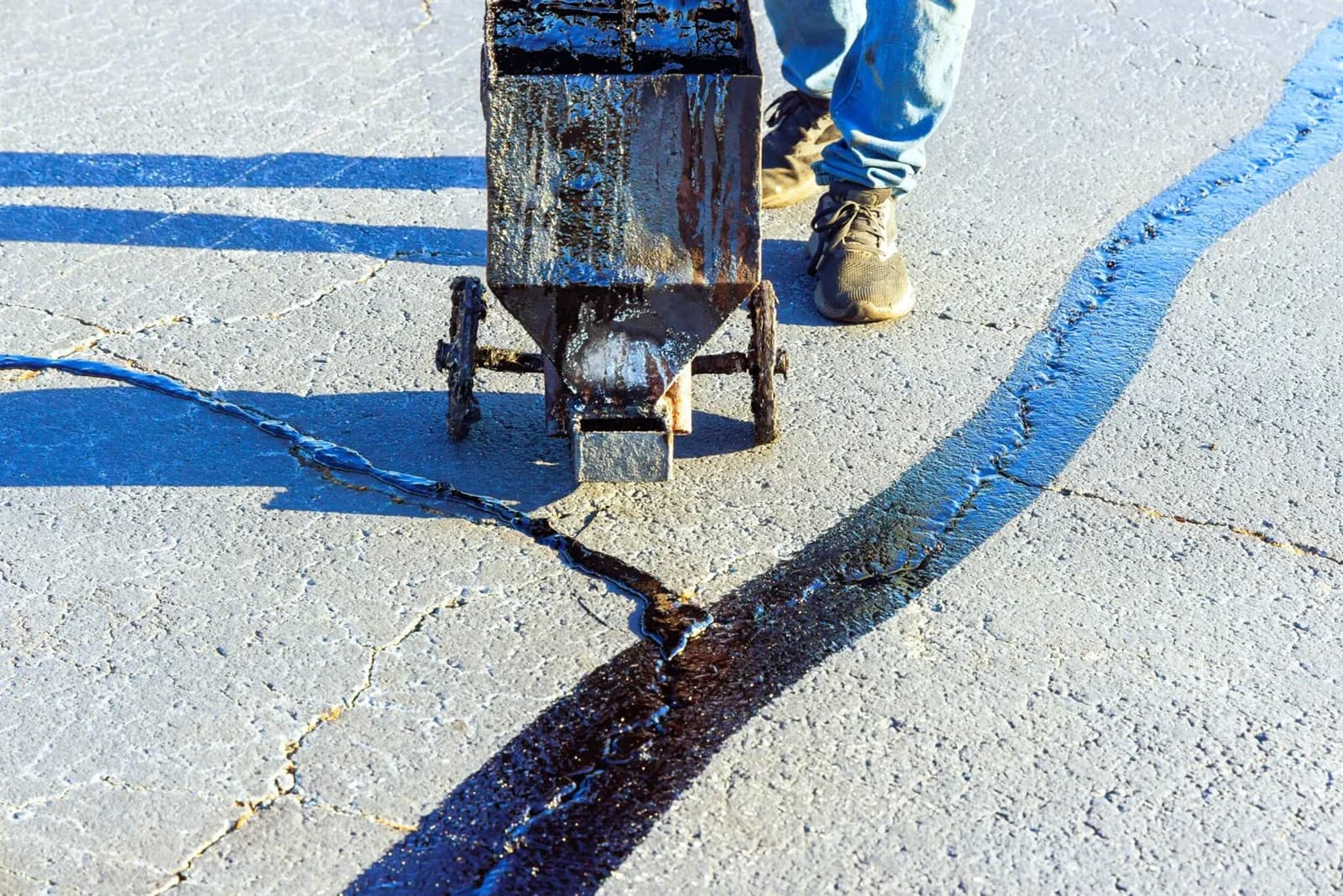
Hot-pour vs. cold-pour at a glance
The two materials trade durability against cost and convenience:
| Factor | Hot-pour (hot-applied) | Cold-pour |
|---|---|---|
| Durability | High; flexes with the pavement | Lower; can fail sooner |
| Best for | Working cracks, commercial lots | Fine, non-working cracks, small jobs |
| Application | Melted and applied hot by a crew | Ready to pour from the container |
| Up-front cost | Higher | Lower |
| Cost over time | Often lower (lasts longer) | Often higher (redone sooner) |
When hot-pour is worth it
Hot-applied rubberized sealant is the professional default for a reason: it bonds to the crack walls and stays flexible, so it moves with cracks that open and close through temperature cycles instead of pulling away. On parking lots, commercial properties, and any lot with active working cracks, it lasts longer and holds up better — which usually makes it the better value even though it costs more up front.
When cold-pour makes sense
Cold-pour filler earns its place on small jobs and fine, non-working cracks where the low cost and simple application outweigh the shorter life. It's also what most DIY products are. The tradeoff is durability: on working cracks it tends to crack or pull away sooner, meaning the job gets redone more often. For a small driveway with a few hairline cracks, that can be an acceptable trade; for a commercial lot, usually not.
Prep matters as much as material
Whichever material is used, the crack has to be clean and dry, and wider or working cracks benefit from routing (sawing a clean channel) so the sealant bonds well. A hot-pour job over a dirty crack can fail faster than a well-prepped cold-pour one. When comparing bids, ask about cleaning and routing, not just the material name — see crack sealing vs. crack filling.
Frequently asked questions
Is hot-pour or cold-pour crack sealing better?
Hot-pour is more durable and flexes with working cracks, making it better for parking lots and commercial properties. Cold-pour is cheaper and simpler but shorter-lived, best for fine, non-working cracks and small jobs.
Why do professionals use hot-pour crack sealant?
Because it bonds to the crack walls and stays flexible, moving with cracks that open and close through temperature cycles. That durability usually makes it the better value despite the higher up-front cost.
Is cold-pour crack filler ever the right choice?
Yes — for fine, non-working cracks and small jobs where low cost and easy application outweigh the shorter life. Most DIY products are cold-pour.
Does the crack need prep regardless of material?
Yes. The crack must be clean and dry, and wider or working cracks benefit from routing. Poor prep can make even a hot-pour job fail early.
Before you hire: The Pavement Directory does not guarantee contractor performance, pricing, licensing, insurance, or availability. Business information may be submitted by contractors or gathered from public sources and should be independently verified before hiring. Always confirm licensing, insurance, references, scope of work, and written contract terms.
For property owners
Looking for a pavement contractor?
Use The Pavement Directory to search asphalt, concrete, sealcoating, striping, ADA access, and pavement maintenance contractors by service and location. Always verify license, insurance, references, and written scope before hiring.
Search contractorsFor contractors
Are you a pavement contractor?
Contractors can add or claim a company profile to help property owners find pavement professionals by service, location, and specialty.